Author: Zex PRwire

  • Tabber Benedict Debunks 5 Legal Myths That Cost Cases

    • Washington-based federal litigator Tabber Benedict explains the common courtroom misconceptions that quietly damage outcomes.

    New York, USA, Jun 12, 2026, ZEX PR WIRE — In high-stakes litigation, small misunderstandings can create large consequences. Federal litigator Tabber Benedict is addressing five common myths that mislead individuals and businesses about how courts actually work — and how to protect themselves before problems escalate.

    “Most people think litigation is about performance,” Benedict says. “It’s about structure.”

    Below are five myths he regularly sees — and the practical corrections that matter.

    Myth #1: “If I’m Right, I’ll Win.”

    Why people believe it:
    The legal system is often portrayed as a search for truth. Many assume that being factually correct guarantees success.

    Reality:
    Procedure decides a large percentage of cases before trial. In federal court, many civil disputes are resolved through motions, not jury verdicts. Missed deadlines, weak pleadings, or improper filings can end a case early.

    “The system decides more than the speech,” Benedict says. “If you ignore structure, the merits may never be heard.”

    Practical tip:
    Document everything early. Preserve communications. Track deadlines. If a dispute seems possible, organize your records immediately.

    Myth #2: “Trials Are Where Cases Are Won.”

    Why people believe it:
    Television and film focus on dramatic courtroom exchanges.

    Reality:
    Most civil cases never reach trial. Many are resolved through summary judgment or settlement before a jury is involved.

    “Most cases are decided on motions,” Benedict explains. “Not on dramatic trial moments.”

    Procedural posture often determines leverage long before opening statements.

    Practical tip:
    If you are involved in a dispute, focus on early filings and legal positioning. Early clarity can shape the entire outcome.

    Myth #3: “Aggressive Lawyering Impresses Judges.”

    Why people believe it:
    Forceful argument can look persuasive from the outside.

    Reality:
    Judges prioritize credibility and clarity. Courts issue sanctions every year for procedural violations and misstatements. Professionalism carries measurable weight.

    “Your credibility is your most valuable asset,” Benedict says. “You spend it every time you speak.”

    Federal judges evaluate tone, precision, and honesty.

    Practical tip:
    In any formal dispute, avoid exaggeration. Stick to verifiable facts. Measured communication builds long-term advantage.

    Myth #4: “Appeals Fix Trial Mistakes.”

    Why people believe it:
    People assume appellate courts will re-examine every issue.

    Reality:
    Appeals review records. They do not retry cases. If objections were not preserved during trial, arguments may be waived.

    “When we prepare for trial, we prepare for appeal at the same time,” Benedict says. “Every objection is part of a future record.”

    Data shows that appellate courts affirm lower court decisions in the majority of cases.

    Practical tip:
    If you are involved in litigation, ensure objections and issues are clearly documented at the earliest stage. Preserve the record.

    Myth #5: “Urgency Means Act Immediately.”

    Why people believe it:
    Opposing parties may create pressure to force rushed decisions.

    Reality:
    Artificial urgency often distorts judgement. Filing too quickly can introduce errors.

    “Not everything is an emergency,” Benedict notes. “Pressure distorts judgement.”

    Strategic patience can prevent procedural mistakes.

    Practical tip:
    Before responding to high-pressure legal communication, pause. Review deadlines carefully. Confirm facts. Then act deliberately.

    If You Only Remember One Thing

    Structure wins.

    Procedural discipline often matters more than emotion. Litigation is a system. If the system is ignored, strong arguments weaken.

    “Preparation is quiet,” Benedict says. “But it shows.”

    Call to Action

    Tabber Benedict encourages individuals and business leaders to share this myth list with colleagues and partners. Choose one tip today. Apply it immediately.

    Organize your records. Review deadlines. Communicate clearly. Preserve credibility.

    Small structural improvements now can prevent large consequences later.

    About Tabber Benedict

    Tabber Benedict is a Washington-based federal litigator focused on procedural strategy, record preservation, and structured courtroom advocacy. His work emphasizes disciplined preparation, credibility with judges, and long-term litigation architecture over short-term theatrics.

  • Larry Michael Baum Launches “Build Forward” Responsible Growth Pledge

    • Managing Partner of Stellar Communities in Aventura, Florida commits to advancing sustainable housing standards and community-driven development.

    Florida, USA, Jun 12, 2026, ZEX PR WIRE — Larry Michael Baum, Managing Partner of Stellar Communities, is launching a new personal initiative called the “Build Forward” Responsible Growth Pledge, focused on advancing sustainable housing practices and long-term community planning across Florida.

    After more than 15 years leading eco-conscious residential development and overseeing the creation of more than 3,000 homes statewide, Baum believes Florida is entering a critical phase of growth.

    “If you’re going to build in Florida, you have to think ahead,” Larry Michael Baum says. “Growth without structure creates long-term strain.”

    He emphasizes that sustainability must be practical and disciplined.

    “Green development only works if it’s operational,” he says. “It has to perform long term.”

    Baum also believes housing shapes daily life in ways people often overlook.

    “Development is stewardship,” he says. “You’re shaping something that will outlast you.”

    Why This Matters Now

    Florida continues to grow at a rapid pace. According to U.S. Census data, the state has recently added hundreds of thousands of new residents in a single year. Housing permits remain among the highest in the nation.

    At the same time:

    • Residential buildings account for roughly 20% of total U.S. energy consumption.

    • Florida consistently ranks near the top in new housing starts.

    • Coastal states face increasing infrastructure strain due to climate-related risks.

    • Many metro areas lack “missing middle” housing options, limiting affordability and neighborhood balance.

    Baum believes responsible development must keep pace with this growth.

    “You can’t separate housing from environment,” he says. “If you ignore long-term realities, the costs show up later.”

    The “Build Forward” Personal Pledge

    Larry Michael Baum is committing to seven concrete behaviors:

    1. Review every new project for long-term environmental durability before approval.

    2. Prioritize energy-efficient design standards in all developments.

    3. Advocate publicly for missing middle housing solutions at least twice per year.

    4. Participate in local planning meetings to support responsible zoning practices.

    5. Promote community education about sustainable building principles.

    6. Publish one annual summary of sustainability performance benchmarks.

    7. Mentor emerging developers on integrating environmental standards into core operations.

    “These are measurable actions,” he says. “Sustainability has to be built into systems.”

    Do-It-Yourself Toolkit: 10 Actions Anyone Can Take

    This pledge is not limited to developers. Individuals can influence responsible growth without spending money.

    1. Attend one local planning or zoning meeting.

    2. Ask builders about energy efficiency before buying or renting.

    3. Research how neighborhood density affects traffic and infrastructure.

    4. Support mixed-housing developments in your community.

    5. Reduce personal home energy consumption through simple conservation habits.

    6. Learn about missing middle housing models.

    7. Share sustainable housing resources with neighbors.

    8. Review local climate risk maps for your area.

    9. Encourage community discussions about long-term planning.

    10. Ask elected officials how sustainability is measured in new projects.

    “Communities reflect the standards people demand,” Baum says.

    30-Day Progress Tracker

    Use this simple checklist to stay engaged:

    Week 1
    ☐ Learn about local zoning rules
    ☐ Review your home’s energy use

    Week 2
    ☐ Attend or watch one planning meeting
    ☐ Share one sustainable housing resource

    Week 3
    ☐ Speak with a builder or landlord about efficiency standards
    ☐ Research missing middle housing examples

    Week 4
    ☐ Have one community conversation about responsible growth
    ☐ Commit to one long-term action

    Small actions compound over time.

    “You don’t rush development,” Baum says. “You align it.”

    Call to Action

    Larry Michael Baum invites residents, developers, and community leaders across Florida to take the “Build Forward” Responsible Growth Pledge.

    Start with one action this week. Share the toolkit. Encourage discussion about sustainable housing standards.

    Responsible growth is not automatic. It is guided.

    About Larry Michael Baum

    Larry Michael Baum is the Managing Partner of Stellar Communities in Aventura, Florida. Born in Miami Beach and a graduate of Florida State University in Real Estate and Finance, he has led the development of more than 3,000 eco-friendly homes across Florida. His work focuses on sustainable residential development, urbanism, missing middle housing, and long-term economic resilience in community design.

  • Elizabeth Shwiff Says Technology Is Transforming Tax Compliance, But Human Expertise Remains Essential

    San Francisco, CA, Jun 12, 2026, ZEX PR WIRE — As businesses and individuals increasingly adopt automation, artificial intelligence, and cloud-based accounting platforms, tax compliance is becoming faster and more efficient. However, according to Elizabeth Shwiff, founding and managing partner of Shwiff, Levy & Polo, LLP, technology alone cannot replace the judgment, experience, and strategic thinking required to navigate today’s increasingly complex tax environment.

    Tax regulations continue to evolve at a rapid pace. Businesses face growing compliance obligations across multiple jurisdictions, changing reporting requirements, and heightened scrutiny from regulatory agencies. While software can automate calculations and streamline recordkeeping, Shwiff believes successful tax compliance still depends heavily on professional interpretation and oversight. “Technology is an incredibly valuable tool, but it is still just a tool,” said Shwiff. “Tax laws are constantly changing, and every client’s situation is unique. Software can process information, but it cannot fully understand context, identify emerging risks, or provide the strategic guidance that comes from years of professional experience.”

    The accounting profession has experienced a significant technological transformation over the past decade. Cloud-based systems now allow businesses to manage financial information in real time, while artificial intelligence applications can categorize transactions, identify anomalies, and generate reports in a matter of seconds. These advancements have improved efficiency and reduced the amount of time professionals spend on routine administrative tasks.

    For accounting firms, technology has created opportunities to provide faster service and deeper analysis. Yet Shwiff cautions that greater automation has also created a misconception that tax compliance can be handled entirely through software without professional involvement.

    According to Shwiff, one of the greatest risks businesses face is assuming that automated systems can identify every tax issue or planning opportunity. While software is effective at processing information based on established rules, it may not recognize unusual circumstances, changing regulations, or complex transactions that require professional interpretation. “Many tax challenges arise not from calculations but from judgment,” said Shwiff. “Business acquisitions, ownership restructurings, international transactions, estate planning decisions, and many other situations require careful analysis. These are areas where professional guidance remains critical.”

    Shwiff’s perspective is shaped by more than three decades of experience advising businesses, entrepreneurs, high-net-worth individuals, trusts, and estates. Throughout her career, she has worked on matters involving tax planning, compliance, forensic accounting, litigation support, and cross-border financial issues.

    She notes that technology has become particularly valuable in helping professionals identify trends and improve accuracy. However, she believes the most effective approach combines technological efficiency with experienced human review.

    The increasing complexity of tax compliance is evident across multiple areas of practice. Businesses operating in several states must navigate varying tax rules and reporting requirements. Companies conducting international business face additional layers of regulation and compliance obligations. Individuals with significant investments, trusts, or estate planning structures often encounter sophisticated tax considerations that require personalized analysis.

    At the same time, tax authorities are also leveraging technology to improve enforcement capabilities. Advanced data analytics allow regulators to identify discrepancies, detect unusual reporting patterns, and conduct more targeted examinations. As a result, businesses and individuals must ensure that compliance efforts are both accurate and well-documented.

    Shwiff believes this environment makes professional guidance more important, not less. “As technology becomes more powerful, expectations for accuracy and compliance increase as well,” she said. “The goal is not simply to file returns. The goal is to understand the larger financial picture, manage risk appropriately, and make informed decisions that support long-term objectives.”

    Beyond compliance, Shwiff emphasizes the importance of strategic tax planning. While software can help organize information, it cannot independently evaluate a client’s broader goals, risk tolerance, family circumstances, or business objectives. Those conversations often lead to planning opportunities that technology alone would not identify.

    She also stresses the importance of maintaining strong ethical standards as firms adopt new technologies. Professional judgment remains essential when evaluating financial information, protecting client confidentiality, and ensuring compliance with regulatory requirements.

    Under Shwiff’s leadership, Shwiff, Levy & Polo, LLP continues to integrate advanced technologies while maintaining a strong focus on personalized client service. The firm provides accounting, tax planning and compliance, forensic accounting, expert witness services, litigation support, estate and trust planning, and advisory services to clients throughout the United States and internationally.

    Looking ahead, Shwiff expects technology to continue reshaping the accounting profession. However, she believes the most successful firms will be those that balance innovation with the expertise and judgment clients rely upon when facing important financial decisions. “The future of accounting is not technology versus people,” said Shwiff. “It is technology supporting professionals who bring experience, insight, and strategic thinking to complex situations. That combination delivers the greatest value to clients and helps them navigate an increasingly complicated financial world.” To learn more about Shwiff, Levy & Polo, LLP, visit: https://www.slpconsults.cpa/about-the-company.html  

  • RX Pros Launches 7-Day “Access Action” Challenge to Improve Healthcare Habits

    Wyoming, USA, Jun 12, 2026, ZEX PR WIRE — RX Pros has announced the launch of its new “Access Action” 7-Day Challenge, a public initiative designed to help individuals build better habits around healthcare access. The challenge focuses on one core idea: small actions can remove big barriers.

    The initiative is rooted in insights from the company’s work in telehealth.

    “People were waiting weeks just to get basic treatment,” RX Pros shared. “That delay often comes from not knowing where to start.”
    “We asked one question early on: where does the process slow down?”
    “Healthcare should not feel complicated.”
    “Everything we do comes back to convenience, speed, affordability, and accessibility.”

    The challenge encourages participants to take simple, daily steps to better understand and manage their care options.

    Why This Habit Matters Now

    Healthcare access remains a widespread issue:

    • Nearly 1 in 4 adults in the U.S. delay or skip care due to cost or access barriers

    • Telehealth usage has increased more than 30x since 2020, yet awareness gaps remain

    • Over 30% of patients report delays due to scheduling and system inefficiencies

    • Millions of Americans live in areas with limited provider access

    “Access is not just about availability,” RX Pros noted. “It’s about awareness and action.”

    The 7-Day “Access Action” Plan

    Each day focuses on one simple step. No tools required.

    Day 1 – Identify
    Write down one health concern or question you’ve been putting off.

    Day 2 – Explore
    List at least two ways you could address it (in-person, telehealth, urgent care, etc.).

    Day 3 – Compare
    Look at wait times and availability for each option.

    Day 4 – Prepare
    Write down three key questions you would ask a provider.

    Day 5 – Take Action
    Book a consultation or take the next step toward care.

    Day 6 – Track
    Start a simple log of symptoms, progress, or outcomes.

    Day 7 – Reflect
    Review what you learned and what you would do differently next time.

    “Start small,” RX Pros advised. “One step can remove a lot of friction.”

    Share Your Progress

    Participants are encouraged to track and share their journey, but it is not required.

    Suggested Post Prompts:

    • “Day 1 of the RX Pros Access Action Challenge — here’s what I’m working on…”

    • “I didn’t realise how many care options I had until today…”

    • “Small step today, but it feels like progress…”

    Prefer to stay private?
    Use a notebook or notes app to track your daily steps. The goal is personal awareness, not public visibility.

    “Not everyone wants to share,” RX Pros said. “What matters is that you take action.”

    Call to Action

    RX Pros is inviting individuals to join the 7-Day Access Action Challenge and start building better habits around healthcare today.

    “Don’t wait,” they said. “Start with one step. Then take the next.”

    Day one starts now.

    To read the full interview, visit the website here.


    About RX Pros

    RX Pros is a telehealth marketplace based in Sheridan, Wyoming. The platform connects patients with licensed healthcare providers and third-party pharmacies through a fully online process. RX Pros focuses on improving access to care by simplifying the path from consultation to prescription fulfilment, with an emphasis on convenience, speed, affordability, and accessibility.

  • Carziqo Extends Relief Support to Earthquake-Affected Communities in General Santos City and Maasim, Sarangani

    GENERAL SANTOS CITY, Philippines, 12th June 2026, ZEX PR WIRE — Following the powerful earthquake that recently struck parts of Mindanao, Carziqo has carried out a community relief initiative to support families affected by the disaster, with assistance focused on communities in General Santos City and Maasim, Sarangani.

    The earthquake, which was widely felt across southern Mindanao, brought fear, disruption, and hardship to many residents. Public reports said the quake caused damage to buildings, roads, bridges, public facilities, and homes in several affected areas, including General Santos City, Sarangani, South Cotabato, and nearby communities. In the days after the tremor, many families continued to face uncertainty, aftershock concerns, and the need for basic daily supplies.

    Upon learning about the situation, Carziqo immediately began internal coordination to support relief efforts for affected residents. The company organized the purchase and preparation of essential goods, including rice, drinking water, canned food, noodles, and basic food packs for distribution to families in need.

    As part of the relief response, Carziqo team member Ricky Sendiong Lumapas, a local teacher, together with Loradel D. Acosta B, helped coordinate the distribution of relief goods in the General Santos City and Maasim area. Their participation reflected the company’s belief that effective community support begins with people who understand the local situation, the needs of residents, and the importance of immediate action during a difficult time.

    During the relief activity, residents received food packs and essential supplies prepared for families affected by the earthquake. The distribution was carried out with care and respect, prioritizing practical assistance for households that needed support after the disaster. The relief goods included staple food items and daily necessities intended to help families manage their immediate needs while recovery efforts continue.

    Carziqo said the initiative was not only a company response, but also a reflection of its responsibility to the communities where it operates and hopes to grow. While Carziqo is known for its focus on intelligent mobility, technology, and future transportation solutions, the company believes that true progress must also include compassion, social responsibility, and meaningful action during times of crisis.

    “Technology can help build the future, but responsibility gives that future meaning,” Carziqo said in a company statement. “When communities face hardship, companies should not remain silent. We believe that every act of support, whether large or small, can bring comfort, strength, and hope to families working to recover.”

    For residents in affected areas, immediate assistance such as food, clean water, and daily supplies can make a meaningful difference in the first stage of recovery. Carziqo emphasized that its relief activity was focused on practical help, not publicity, and that the company’s priority was to stand with Filipino families during a time of need.

    The company also expressed appreciation to its local team members and volunteers who helped organize the relief distribution on the ground. Their efforts helped ensure that the supplies reached real families and residents affected by the earthquake.

    Carziqo said it will continue to monitor the situation in Mindanao and will remain attentive to the needs of communities affected by the disaster. The company also extended its sincere sympathy to families who lost loved ones, suffered injuries, experienced property damage, or were forced to temporarily suspend their normal lives because of the earthquake.

    In this difficult moment, Carziqo stands with the people of General Santos City, Maasim, Sarangani, and the wider Mindanao community.

  • Dr. Emil Kohan Advocates for More Informed Aesthetic Decisions

    California, USA, Jun 11, 2026, ZEX PR WIRE — Dr. Emil Kohan, a board-certified plastic surgeon based in Beverly Hills, is raising awareness about the importance of informed decision-making in aesthetic surgery as interest in cosmetic procedures continues to grow across the United States.

    According to the American Society of Plastic Surgeons, nearly 1.6 million cosmetic surgical procedures were performed in 2024. Minimally invasive treatments also continued to rise, showing that more people are exploring aesthetic options than ever before.

    For Dr. Kohan, that growth makes education even more important.

    “Patients don’t want to look like someone else,” Dr. Kohan said. “They want to look like the best version of themselves.”

    Dr. Kohan believes patients should take time to understand their goals, ask detailed questions, and think beyond short-term trends. He says aesthetic medicine should begin with clear information, not pressure.

    “The goal isn’t to chase trends,” he said. “The goal is to create results that fit the individual and stand the test of time.”

    Dr. Kohan’s own career has been shaped by this idea. Raised in Los Angeles, he developed an early interest in science, art, design, and entrepreneurship. He later graduated summa cum laude from UCLA with dual degrees in Neuroscience and Psychobiology before earning his medical degree from the David Geffen School of Medicine at UCLA. He completed his Plastic and Reconstructive Surgery residency at the University of California, Irvine.

    Today, he specializes in body contouring, breast surgery, liposuction, mommy makeover procedures, Brazilian Butt Lift procedures, and complex revision cases.

    As demand rises, Dr. Kohan says patients should be careful about where they get information. Social media can introduce people to procedures, but it can also create unrealistic expectations.

    “Plastic surgery is not only about a before-and-after photo,” Dr. Kohan said. “It is about planning, anatomy, safety, recovery, and long-term outcomes.”

    This is especially important for procedures that require advanced technique and careful judgment. Industry safety advisories have highlighted that gluteal fat grafting, often called a Brazilian Butt Lift, carries higher risk than many other elective aesthetic procedures when not performed with proper safety standards.

    Dr. Kohan says patients can protect themselves by asking practical questions before moving forward. These include whether the surgeon is board-certified, where the procedure will be performed, what risks are involved, what recovery looks like, and whether the plan is customized to the patient.

    “The details matter,” he said. “Small decisions can have a major impact on the final result.”

    Dr. Kohan also encourages people to think about motivation. He believes patients should consider whether they are making a decision for themselves or reacting to outside pressure.

    “Good decisions usually come from clarity,” he said. “Patients should feel informed, respected, and comfortable asking questions.”

    Beyond his clinical work, Dr. Kohan has remained active in research, education, and innovation within plastic and reconstructive surgery. He has authored peer-reviewed publications and textbook chapters and has lectured on advanced surgical techniques. In 2024, he presented on Brazilian Butt Lift surgical technique at the California Society of Plastic Surgeons meeting.

    “Medicine never stands still,” Dr. Kohan said. “The responsibility of a surgeon is to continue learning and improving.”

    His message to the public is simple: take your time, do your research, and choose safety over speed.

    People considering aesthetic procedures can start by writing down their goals, reviewing a surgeon’s credentials, asking about risks and recovery, and seeking a consultation that feels educational rather than rushed.

    “Every patient deserves to understand the process,” Dr. Kohan said. “The best outcomes begin before surgery, with honest conversations and thoughtful planning.”

    To read the full interview, visit the website here.

    About Dr. Emil Kohan

    Dr. Emil J. Kohan, MD, is a board-certified plastic surgeon based in Beverly Hills, California. He specializes in body contouring, mommy makeover procedures, liposuction, breast surgery, Brazilian Butt Lift procedures, and complex revision cases. Dr. Kohan earned dual Bachelor of Science degrees from UCLA and his medical degree from the David Geffen School of Medicine at UCLA before completing his Plastic and Reconstructive Surgery residency at the University of California, Irvine. His work focuses on natural-looking results, surgical precision, patient safety, and individualized aesthetic care.

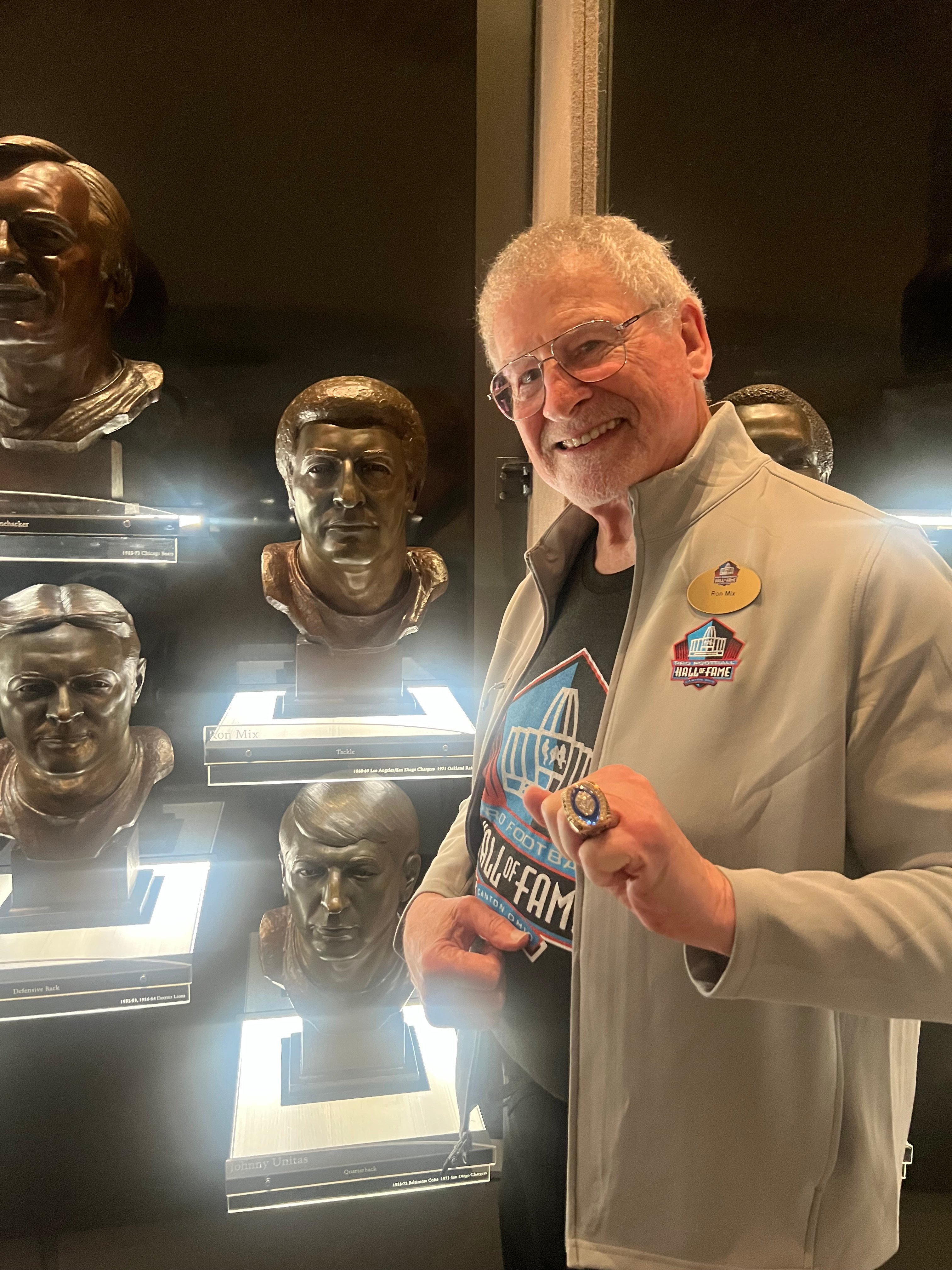
  • Ron Mix Encourages Athletes to Prepare for Life Beyond the Game

    • Pro Football Hall of Famer Ron Mix of Orange County, California, is calling for earlier career planning and long-term preparation among professional athletes.

    ORANGE COUNTY, Calif. 11th June 2026, ZEXPRWIRE — Pro Football Hall of Famer and attorney Ron Mix is encouraging current and aspiring professional athletes to begin preparing for life after sports long before their playing careers come to an end.

    Drawing on his experiences as both an NFL player and a legal professional, Mix believes one of the most overlooked aspects of athletic success is planning for what comes next.

    “Athletes spend years preparing for competition,” says Mix. “They train, study, practice, and sacrifice to perform at the highest level. My message is simple: prepare for your future with that same level of commitment.”

    Mix played professional football from 1960 to 1972, spending ten seasons with the San Diego Chargers before finishing his career with the Oakland Raiders. He was inducted into the Pro Football Hall of Fame in 1979.

    While many athletes focus entirely on their current season, Mix says that every sports career eventually ends.

    “No matter how successful you are, there comes a day when you stop playing,” he says. “The question is whether you’re prepared for what comes next.”

    Research highlights the importance of long-term planning for athletes. According to the NFL Players Association, the average NFL career lasts just over three years. Across professional sports, many athletes retire decades before traditional retirement age, creating the need for second careers, continued education, and long-term personal planning.

    Mix says he recognized this reality early in his own playing career.

    “I loved football, but I understood it wasn’t forever,” he says. “That realization pushed me to think beyond the field.”

    After retiring from football, Mix entered the legal profession in 1975 and went on to build a successful career representing retired professional athletes. Today, he practices with Mix, Namanny & Berger in Orange County, California, and serves as President of the Pro Football Retired Players Association.

    His work has given him a unique perspective on the challenges many former athletes face after their careers end.

    “I’ve met players from every stage of life,” says Mix. “The ones who tend to navigate the transition best are often the ones who started thinking ahead while they were still playing.”

    Mix believes career preparation should extend beyond professional opportunities. He encourages athletes to invest time in education, relationship building, personal development, and learning skills that can serve them throughout life.

    “Success isn’t only about what happens during your playing career,” he says. “It’s also about what you build afterward.”

    According to NCAA research, fewer than 2 percent of college athletes will go on to play professional sports. Even among those who do reach the professional level, careers can be shortened by injury, roster changes, or other factors outside an athlete’s control.

    Those realities make preparation increasingly important.

    “You can’t control everything that happens in sports,” Mix says. “You can control how prepared you are for the future.”

    Throughout his career, Mix has remained involved in supporting athletes beyond their playing years. Through his leadership with the Pro Football Retired Players Association, he helps oversee programs that provide health benefits to more than 10,000 former players and over 3,000 spouses.

    He believes that conversations about long-term planning should become a normal part of athletic development.

    “We spend a lot of time talking about how to make athletes better players,” Mix says. “We should spend just as much time helping them become successful after sports.”

    A Call to Action

    Mix encourages athletes, parents, coaches, and mentors to start conversations about life after sports early.

    He recommends exploring educational opportunities, building professional relationships outside athletics, developing new skills, and maintaining interests beyond competition.

    “The best time to prepare is before you think you need to,” he says. “Every athlete has a future beyond the game. The more intentional you are about preparing for it, the better positioned you’ll be when that day arrives.”


    About Ron Mix

    Ron Mix is a Pro Football Hall of Fame inductee, attorney, and President of the Pro Football Retired Players Association. A former NFL player with the San Diego Chargers and Oakland Raiders, Mix has spent decades advocating for retired professional athletes and helping them navigate life after sports. He currently practices with Mix, Namanny & Berger in Orange County, California.

  • Detroit River Guide Jerome Dubrulle Is Running Walleye Charters Full Throttle This Season

    DETROIT, MI, Jun 11, 2026, ZEX PR WIRE — If you’ve spent any time around walleye country, you already know the Detroit River has a reputation. Not the kind that needs hype behind it, either. The currents, the seasonal runs, the sheer volume of fish that move through this stretch of water, it’s legitimately one of the best freshwater fisheries in the Midwest. And right now, smack in the middle of prime season, USCG Licensed Captain Jerome Dubrulle is out there making the most of it.

    Jerome Dubrulle is the founder of Jacques on the D Fishing Charter, running guided trips out of Stanton Yards Marina on Detroit’s east riverfront. He’s been fishing these waters long enough to know them in a way that’s hard to teach and impossible to fake. Spring walleye season runs April through June. Fall picks back up in October and November. Both windows consistently produce, and Jerome builds his entire trip calendar around those windows on purpose.

    What Makes Walleye Season on the Detroit River Different

    River fishing rewards people who pay attention. The current moves baitfish through the same corridors every season, and predators set up in the same places as a result. Once you learn those patterns, you can fish them predictably. Jerome has learned them. Spring run, fall bite, mid-season transitions, he’s dialed into all of it, and he adjusts his techniques to match—whether that’s jigging, bottom bouncing, or something else entirely, depending on the day. That local knowledge is what separates a good trip from one where you just kind of hope something bites.

    Walleye trips are priced at $400 for up to three people and $500 for a group of four. Start times are 6AM and 2PM. Fish cleaning is included, all equipment is provided, and you don’t need to bring anything except yourself and an appetite for a good day out.

    A Charter Built Around You, Not Just the Species 

    One thing that stands out about Jerome’s operation is how straightforward it is. No gimmicks. He runs a clean, well-equipped 2019 Yamaha FSH 210 Center Console, takes groups of up to four, and handles everything from the game plan to the gear. First-timer who’s never held a rod? Fine. Serious angler who wants to get after it from the moment lines are in? Also fine.

    His catch-and-cook experience has become something of a signature offering. You spend a morning on the river, you come in with fish, and Jerome turns it into a proper shore-side meal. That’s not a common offering, and clients who’ve done it tend to talk about it more than the fishing itself, which is really saying something.

    More Than a Captain

    Outside of running charters, Jerome is also a competitive endurance athlete and ultra-runner who has raced major marathons and long-distance events, which speaks to his threshold for early mornings and uncomfortable conditions. He’s also a deer hunter, avid hiker, and someone who has spent serious time outdoors across all four seasons.

    Outside of the boat, he works as a real estate professional, where he continues to put his local knowledge to use—helping buyers and sellers navigate real estate transactions.

    Walleye, Perch, Multi-Species, and a Full Season Ahead

    Beyond the walleye trips, Jacques on the D runs yellow perch charters on Lake St. Clair from September through November, a genuinely underrated fishery that tends to surprise first-timers. July and August shift into multi-species mode, targeting smallmouth bass, perch, and whatever else is biting, which is a solid option for mixed groups or families where not everybody has a specific fish in mind.

    The whole operation runs out of Stanton Yards Marina at 9666 E Jefferson Ave in Detroit.

    Book a Trip

    Anyone looking to get on the water with Jerome can reach him directly at 248-701-3526 or by email at jacquesonthed@gmail.com. More information about trips, pricing, and available dates is at DubrulleFishingCharter.com.


  • Whitney Reiter Captain Shares What It Really Takes to Earn Trust on Global Waters

    Miami, FL, Jun 11, 2026, ZEX PR WIRE — In the world of international yachting, trust is not earned through titles, certifications, or years of experience alone. It is built through consistency, accountability, preparation, and the ability to lead effectively when conditions become challenging. Whitney Reiter Captain, a maritime professional with more than 22 years of experience navigating some of the world’s most demanding waters, is sharing insights into the principles that have helped him earn the trust of vessel owners, crew members, and industry professionals throughout his career.

    Having spent decades overseeing yacht operations across the Bahamas, Caribbean, New England, Central America, and the Mediterranean, Reiter has developed a reputation for dependable leadership and sound judgment. His career has involved everything from managing major refit projects and vessel deliveries to overseeing complex itineraries for active families who spend significant time on the water.

    According to Reiter, trust remains the foundation that supports every successful maritime operation.

    Trust Is Earned Long Before a Voyage Begins

    Many people associate trust at sea with how a captain responds during difficult situations. While those moments certainly matter, Reiter believes trust is often earned well before a vessel ever leaves the dock.

    Preparation, communication, and attention to detail create confidence among crew members and vessel owners alike. Whether reviewing weather forecasts, conducting safety checks, coordinating maintenance schedules, or preparing for a long passage, every small action contributes to a larger sense of reliability.

    “People want to know that you have done the work before the work becomes visible,” Reiter said. “Trust comes from knowing that someone has prepared for situations before they happen.”

    This mindset has guided his approach throughout his career. By focusing on preparation and consistency, he creates an environment where people feel confident in both the plan and the person leading it.

    Building Credibility Through Consistency

    One of the most important lessons Reiter has learned over two decades in the maritime industry is that credibility is built through repeated actions rather than occasional accomplishments.

    Crew members pay close attention to how leaders conduct themselves on a daily basis. Small habits often reveal more about a person than major achievements. Showing up prepared, communicating clearly, and remaining accountable for decisions all contribute to a leader’s credibility over time.

    Reiter believes consistency becomes especially important during periods of uncertainty. When conditions change or unexpected challenges arise, teams naturally look toward leadership for direction.

    “If people know what to expect from you every day, they trust you more when things get difficult,” he explained.

    That consistency has become a defining characteristic of his leadership style and a key reason why many people continue to place confidence in his judgment.

    Leading People, Not Just Vessels

    While technical expertise is essential in maritime operations, Reiter believes leadership ultimately comes down to people.

    Managing a vessel requires overseeing equipment, systems, and logistics, but leading a successful crew requires understanding personalities, motivations, and communication styles. Strong leadership involves creating an environment where people feel respected and supported while maintaining clear expectations.

    Throughout his career, Reiter has focused on developing strong relationships with crew members. He believes trust grows when leaders remain approachable, listen carefully, and demonstrate genuine concern for the success of their teams.

    Crew culture often determines how effectively people perform under pressure. Teams that trust one another communicate more effectively, solve problems faster, and maintain higher standards across all areas of operation.

    The Importance of Accountability

    For Reiter, accountability remains one of the most important components of leadership.

    As captain, responsibility ultimately rests with him. That reality has shaped how he approaches decision-making throughout his career. Rather than shifting blame when challenges arise, he believes leaders should take ownership of outcomes and focus on solutions.

    This approach also encourages accountability throughout the crew. When leaders accept responsibility for their actions, team members are more likely to do the same.

    “People respect honesty,” Reiter said. “If something goes wrong, address it, learn from it, and move forward.”

    By creating a culture where accountability is valued rather than feared, Reiter helps crews maintain focus on improvement rather than mistakes.

    Physical Discipline Supports Professional Trust

    An often overlooked aspect of trust is personal discipline. Reiter believes leaders who maintain strong habits tend to inspire greater confidence in those around them.

    His daily routine begins at 6 a.m. in the gym, a practice he has maintained for years. Physical fitness plays a major role in helping him stay mentally sharp and prepared for the demands of maritime leadership.

    Beyond personal benefits, discipline sends a message to others. It demonstrates commitment, consistency, and a willingness to hold oneself to high standards.

    Reiter also encourages crew members to embrace healthy, active lifestyles. Activities such as fitness training and pickleball help strengthen relationships while promoting overall well-being.

    The discipline developed through these habits often translates directly into professional performance.

    Learning Never Stops

    Despite more than two decades of experience, Reiter continues to view learning as a critical part of earning trust.

    The maritime industry constantly evolves. New technologies, regulations, and operational practices require professionals to stay informed and adaptable. Reiter believes leaders who stop learning eventually lose effectiveness.

    He encourages younger maritime professionals to remain curious and ask questions whenever possible. Some of the most valuable lessons of his career came from listening to experienced captains, engineers, and crew members who offered different perspectives.

    Trust grows when people recognize that a leader is committed to continuous improvement rather than relying solely on past accomplishments.

    Family Values Influence Leadership

    While much of Reiter’s career has been spent managing vessels and crews, family remains a major influence on how he approaches leadership.

    He believes many of the qualities that create strong professional relationships also strengthen personal ones. Consistency, accountability, communication, and respect matter just as much at home as they do at sea.

    His upcoming Hyrox competition with his daughter reflects this philosophy. Training together provides an opportunity to share goals, maintain discipline, and spend meaningful time together outside of work.

    For Reiter, leadership is not something that begins when he steps aboard a vessel and ends when he leaves. It is reflected in daily actions across every aspect of life.

    Looking Ahead

    As Whitney Reiter Captain continues navigating international waters and leading complex yacht programs, he remains committed to the principles that have guided his career from the beginning.

    Trust, preparation, accountability, and continuous growth remain at the center of his approach. While technology and industry standards continue to evolve, these fundamentals remain constant.

    For vessel owners, crew members, and industry professionals, trust is often the difference between a good operation and a great one. Through more than 22 years of experience, Reiter has demonstrated that earning trust requires far more than expertise. It requires showing up consistently, leading by example, and maintaining high standards every day.

    As global yachting continues to grow and evolve, those principles remain as relevant as ever.

    Media Contact

    Whitney Reiter Captain
    Website: https://whitneyreitercaptain.com/
    Miami, FL

  • SuperCondense: The Fast Fix for Slow, Oversized QuickBooks Files

    Brandon, MB, Jun 11, 2026, ZEX PR WIRE — As businesses grow, so do their QuickBooks files. What starts as a fast, efficient system can gradually turn into a source of frustration. Reports take longer to generate, screens freeze during routine tasks, and multi-user environments become increasingly unstable. For many US companies, these performance issues quietly drain time, productivity, and ultimately revenue.

    The problem often lies in file size.

    Oversized QuickBooks company files tend to show clear warning signs. Users experience delays when opening the file, sluggish navigation between modules, and long wait times for basic functions such as invoicing or running financial reports. In more severe cases, systems may crash or display errors during peak usage, creating interruptions that ripple across the organization.

    These slowdowns are more than just technical inconveniences. They directly impact day-to-day operations. Teams spend extra time waiting for processes to complete, workflows become inefficient, and deadlines are harder to meet. In multi-user setups, lag can disrupt collaboration, forcing employees to pause work or duplicate efforts. Over time, these inefficiencies accumulate into measurable financial cost.

    Traditional approaches often fall short. Basic cleanup tools and routine maintenance can only do so much when a file has grown beyond optimal size. What businesses need is a more advanced solution—one that addresses performance without compromising the integrity of their financial data.

    This is where SuperCondense services offer a clear advantage.

    Without altering the accuracy or completeness of data, SuperCondense uses proprietary techniques to significantly reduce the size of QuickBooks files. The focus is not on deleting valuable information, but on restructuring and optimizing the file so it performs the way it should. The internal process may be complex, but the result is straightforward: a leaner, faster, and more stable file.

    The benefits are immediate. Files open more quickly, reports run faster, and navigation becomes smooth again. Multi-user environments regain efficiency, allowing teams to work without interruption. Instead of struggling with delays, employees can focus on productive tasks, improving overall workflow and output.

    For businesses that rely on QuickBooks daily, this improvement can be transformative. Faster performance reduces frustration, saves time, and restores confidence in core financial systems. It also helps prevent future issues, as optimized files are less prone to instability and corruption.

    Ultimately, SuperCondense is not just about shrinking file size—it’s about restoring efficiency. By addressing one of the most common yet overlooked causes of operational slowdown, it enables companies to get back to what matters most: running their business smoothly and effectively.


    About QuickBooks Repair Pro

    QuickBooksRepairpro.com is a leading QuickBooks File Repair and Data Recovery, QuickBooks Conversion, QuickBooks Mac Repair, and QuickBooks SDK programming services provider in North America, serving thousands of business users all over the world.

    With over 26 years of experience with Intuit QuickBooks, QuickBooksRepairpro.com assists QuickBooks users and small businesses with a variety of services and work with the US, UK, Canadian, Australian (Reckon Accounts), and New Zealand versions of QuickBooks (PC and Mac platforms).

    For more information, visit https://quickbooksrepairpro.com/

    If we can’t recover your data, there is no charge