Author: Zex PRwire

  • Michael A. Griffin Encourages Young Professionals to Learn Every Role Before Seeking Leadership

    • Raleigh business leader Michael A. Griffin says the best leaders are built through experience, not titles, and encourages young professionals to focus on learning before leading.

    RALEIGH, N.C. Jun 18, 2026, ZEX PR WIRE — Michael A. Griffin, CEO and Chairman of National Business Center, Inc., is encouraging young professionals to resist the pressure to rush into leadership positions and instead focus on understanding the work, the people, and the processes that make organizations successful.

    Griffin’s message comes from personal experience. Before becoming a CEO, he spent years working in customer service and learning different aspects of business operations. He believes those experiences provided lessons that continue to shape his leadership approach today.

    “Everybody wants the title,” Griffin said. “Not everybody wants to learn what the people doing the work deal with every day. That’s where the real education happens.”

    According to a recent Gallup workplace report, managers account for as much as 70% of the variation in employee engagement. Despite that impact, many professionals enter leadership roles without first gaining experience across different functions within an organization.

    Griffin believes that creates challenges for both leaders and teams.

    “When I first started, I paid attention to how customers reacted, how employees solved problems, and where processes broke down,” he said. “Those observations taught me more about leadership than any management title could have.”

    Research from the Center for Creative Leadership has found that experience-based learning is one of the most significant drivers of leadership development. Exposure to different responsibilities helps future leaders understand how decisions affect employees, customers, and operations.

    For Griffin, some of the most valuable lessons came from working closest to customers.

    “I remember seeing situations where a policy looked good on paper but created confusion in practice,” he said. “If you’ve never been the person dealing directly with that confusion, it’s easy to make decisions that create more problems.”

    He believes young professionals should actively seek opportunities to learn beyond the boundaries of their current role.

    That could mean spending time with different departments, volunteering for new projects, observing experienced colleagues, or simply asking more questions.

    “The people who grow the fastest are usually the people who stay curious,” Griffin said. “They want to understand how everything connects.”

    Griffin also draws leadership lessons from his background in baseball and football. Growing up in Eastern North Carolina, he learned that successful teams depend on every player understanding their role and how it contributes to the larger goal.

    “In sports, you learn pretty quickly that one person can’t do everything,” he said. “You also learn that every position matters. Business works the same way.”

    He believes those lessons are particularly important in an era where career advancement often feels accelerated.

    Social media and professional networking platforms can create the impression that leadership is something people achieve quickly. Griffin argues that the strongest leaders are often the ones who spend years building knowledge and credibility before taking on greater responsibility.

    “People see the promotion,” he said. “They don’t always see the years of learning that came before it.”

    His advice to young professionals is straightforward: focus less on managing people and more on understanding how the work gets done.

    “Learn the customer side. Learn the operational side. Learn where problems start and how they get solved,” Griffin said. “The more perspectives you understand, the better decisions you’ll make later.”

    He believes that leadership is ultimately about serving others and helping teams perform at their best. That becomes easier when leaders understand the challenges their employees face.

    “When people know you’ve done the work or taken the time to understand it, trust comes faster,” he said. “Trust is one of the most important things a leader can earn.”

    As organizations continue to navigate change and workforce development challenges, Griffin hopes more young professionals will view learning as an investment rather than a delay.

    “Leadership isn’t a destination,” he said. “It’s the result of experiences, lessons, mistakes, and growth. The more you learn before you lead, the better prepared you’ll be when the opportunity comes.”

    About Michael A. Griffin

    Michael A. Griffin is the CEO and Chairman of National Business Center, Inc., based in Raleigh, North Carolina. He oversees Vegas-Style Skill Games and Blue Bull Gaming and has spent years working in customer service, operations, and executive leadership. Raised in Eastern North Carolina, Griffin played baseball and football growing up and credits many of his leadership principles to lessons learned through sports, teamwork, and hands-on experience. He frequently writes and speaks about leadership, operational discipline, customer behavior, and professional development.

  • Michael A. Griffin Encourages Young Professionals to Learn Every Role Before Seeking Leadership

    • Raleigh business leader Michael A. Griffin says the best leaders are built through experience, not titles, and encourages young professionals to focus on learning before leading.

    RALEIGH, N.C. Jun 18, 2026, ZEX PR WIRE — Michael A. Griffin, CEO and Chairman of National Business Center, Inc., is encouraging young professionals to resist the pressure to rush into leadership positions and instead focus on understanding the work, the people, and the processes that make organizations successful.

    Griffin’s message comes from personal experience. Before becoming a CEO, he spent years working in customer service and learning different aspects of business operations. He believes those experiences provided lessons that continue to shape his leadership approach today.

    “Everybody wants the title,” Griffin said. “Not everybody wants to learn what the people doing the work deal with every day. That’s where the real education happens.”

    According to a recent Gallup workplace report, managers account for as much as 70% of the variation in employee engagement. Despite that impact, many professionals enter leadership roles without first gaining experience across different functions within an organization.

    Griffin believes that creates challenges for both leaders and teams.

    “When I first started, I paid attention to how customers reacted, how employees solved problems, and where processes broke down,” he said. “Those observations taught me more about leadership than any management title could have.”

    Research from the Center for Creative Leadership has found that experience-based learning is one of the most significant drivers of leadership development. Exposure to different responsibilities helps future leaders understand how decisions affect employees, customers, and operations.

    For Griffin, some of the most valuable lessons came from working closest to customers.

    “I remember seeing situations where a policy looked good on paper but created confusion in practice,” he said. “If you’ve never been the person dealing directly with that confusion, it’s easy to make decisions that create more problems.”

    He believes young professionals should actively seek opportunities to learn beyond the boundaries of their current role.

    That could mean spending time with different departments, volunteering for new projects, observing experienced colleagues, or simply asking more questions.

    “The people who grow the fastest are usually the people who stay curious,” Griffin said. “They want to understand how everything connects.”

    Griffin also draws leadership lessons from his background in baseball and football. Growing up in Eastern North Carolina, he learned that successful teams depend on every player understanding their role and how it contributes to the larger goal.

    “In sports, you learn pretty quickly that one person can’t do everything,” he said. “You also learn that every position matters. Business works the same way.”

    He believes those lessons are particularly important in an era where career advancement often feels accelerated.

    Social media and professional networking platforms can create the impression that leadership is something people achieve quickly. Griffin argues that the strongest leaders are often the ones who spend years building knowledge and credibility before taking on greater responsibility.

    “People see the promotion,” he said. “They don’t always see the years of learning that came before it.”

    His advice to young professionals is straightforward: focus less on managing people and more on understanding how the work gets done.

    “Learn the customer side. Learn the operational side. Learn where problems start and how they get solved,” Griffin said. “The more perspectives you understand, the better decisions you’ll make later.”

    He believes that leadership is ultimately about serving others and helping teams perform at their best. That becomes easier when leaders understand the challenges their employees face.

    “When people know you’ve done the work or taken the time to understand it, trust comes faster,” he said. “Trust is one of the most important things a leader can earn.”

    As organizations continue to navigate change and workforce development challenges, Griffin hopes more young professionals will view learning as an investment rather than a delay.

    “Leadership isn’t a destination,” he said. “It’s the result of experiences, lessons, mistakes, and growth. The more you learn before you lead, the better prepared you’ll be when the opportunity comes.”

    About Michael A. Griffin

    Michael A. Griffin is the CEO and Chairman of National Business Center, Inc., based in Raleigh, North Carolina. He oversees Vegas-Style Skill Games and Blue Bull Gaming and has spent years working in customer service, operations, and executive leadership. Raised in Eastern North Carolina, Griffin played baseball and football growing up and credits many of his leadership principles to lessons learned through sports, teamwork, and hands-on experience. He frequently writes and speaks about leadership, operational discipline, customer behavior, and professional development.
  • PsychiCare Strengthens Online Marriage Counselling Support for Couples Across Dubai, Abu Dhabi and Sharjah

    • PsychiCare highlights the key factors couples should consider when selecting an online marriage counselling platform, from therapist qualifications and cultural understanding to confidentiality, continuity of care, and evidence-based support.

    Dubai, U.A.E, Jun 18, 2026, ZEX PR WIRE — The growing acceptance of online therapy has transformed how couples access professional relationship support. From busy professionals and multicultural couples to those navigating long-distance relationships and family pressures, teletherapy has become an increasingly preferred option for individuals seeking marriage and relationship counselling.

    Mental health experts note that while online counselling has improved accessibility, choosing the right teletherapy platform remains one of the most important decisions couples can make. Not all platforms offer the same level of clinical expertise, ethical standards, or specialized relationship support.

    According to relationship experts at PsychiCare, couples should evaluate several important factors before beginning online marriage counselling.

    Qualified and Experienced Relationship Specialists Matter

    One of the most important considerations is the qualification and experience of the therapists providing care. Couples are encouraged to seek professionals who are formally trained in relationship, marital, and family therapy and who have substantial clinical experience working with a wide range of relationship concerns.

    “Many couples assume that all counselling services provide the same level of expertise, but relationship therapy requires specialized training and clinical experience,” said a spokesperson from PsychiCare. “The quality of the therapeutic relationship and the therapist’s ability to understand complex interpersonal dynamics can significantly influence outcomes.”

    PsychiCare provides access to a team of highly qualified mental health professionals, including PhD-level psychologists, senior therapists, and experienced counselling professionals with 15–20 years of clinical practice. Several team members have specialized training in Marital and Family Therapy, helping couples navigate communication challenges, conflict resolution, trust concerns, emotional disconnection, intimacy difficulties, family conflicts, and long-distance relationship stress.

    Cultural Understanding Can Improve Therapeutic Outcomes

    For many couples, cultural context plays an important role in relationship challenges. Expectations around marriage, family involvement, finances, parenting, gender roles, and communication styles often influence relationship dynamics in ways that generic counselling approaches may overlook.

    Experts recommend choosing therapists who understand diverse cultural backgrounds and family systems, allowing therapy to be both relevant and practical for the couple’s circumstances.

    A culturally informed therapist can help couples address challenges while remaining sensitive to personal values, traditions, and family expectations, creating a more meaningful and productive counselling experience.

    Accessibility and Flexible Scheduling Are Essential

    One of the key advantages of teletherapy is convenience. However, experts suggest that accessibility should extend beyond simply offering virtual sessions.

    Couples should look for platforms that provide flexible appointment options, convenient scheduling systems, and support across multiple time zones. This is particularly important for partners managing demanding careers, travel schedules, or living in different locations.

    Online counselling can make it easier for couples to attend sessions consistently, reducing common barriers such as commuting, scheduling conflicts, and geographical distance.

    Confidentiality and Data Security Should Never Be Overlooked

    Privacy remains one of the most important concerns when seeking mental health support online.

    Mental health professionals advise couples to verify that any teletherapy platform follows appropriate confidentiality standards, secure communication protocols, and professional ethical guidelines designed to protect client information.

    Trust is a fundamental component of effective therapy, and maintaining confidentiality helps create a safe environment where couples can openly discuss sensitive concerns.

    Evidence-Based Therapy Delivers Better Results

    Experts also encourage couples to evaluate whether a platform uses evidence-based therapeutic approaches rather than relying solely on general advice or informal coaching methods.

    Established approaches such as Cognitive Behavioural Therapy (CBT), Emotionally Focused Therapy (EFT), Gottman Method interventions, and other research-backed relationship counselling frameworks provide structured strategies that help couples improve communication, strengthen emotional connection, and address recurring relationship patterns.

    Evidence-based therapy focuses on measurable progress and practical skill-building rather than offering temporary solutions to deeper relationship concerns.

    Continuity of Care Supports Long-Term Progress

    Consistency is another factor often overlooked when selecting an online counselling platform.

    Relationship experts recommend choosing services that allow couples to work with the same therapist throughout their counselling journey whenever possible. Therapist continuity helps build trust, improves therapeutic understanding, and enables more meaningful long-term progress.

    When couples repeatedly switch providers, valuable therapeutic context can be lost, potentially slowing the counselling process.

    Support for a Wide Range of Relationship Concerns

    Every relationship is unique, and counselling needs often extend beyond conflict resolution.

    Couples may seek professional support for premarital counselling, communication difficulties, rebuilding trust after betrayal, intercultural relationship challenges, emotional intimacy concerns, long-distance relationships, parenting disagreements, family conflicts, and major life transitions.

    Experts suggest choosing platforms that offer specialized relationship services tailored to diverse relationship stages and concerns.

    Looking Beyond Convenience

    As online marriage counselling continues to gain acceptance, mental health professionals emphasize that convenience alone should not be the deciding factor when selecting a teletherapy platform.

    The qualifications of the therapist, ethical standards, confidentiality practices, cultural understanding, evidence-based methodologies, and continuity of care all contribute to the quality of the therapeutic experience.

    By carefully evaluating these factors, couples can make informed decisions and access professional support that promotes healthier communication, stronger emotional connections, and long-term relationship wellbeing.

    Resources for Couples Seeking Support

    Couples seeking professional relationship support can learn more through PsychiCare’s dedicated counselling services:


    About PsychiCare

    PsychiCare is an online mental health and relationship counselling platform providing evidence-based support for individuals, couples, and families. The platform connects clients with experienced psychologists, relationship specialists, and mental health professionals trained in addressing communication challenges, relationship conflict, trust issues, family dynamics, premarital concerns, intercultural relationships, and emotional wellbeing through secure online counselling services.

  • Zemyth Announces Afferens and Schism as Part of First Southeast Asia Accelerator Cohort

    Milestone-gated accelerator funds two AI startups with pre-seed commitments — the first founders selected through its Have Fund hacker house.

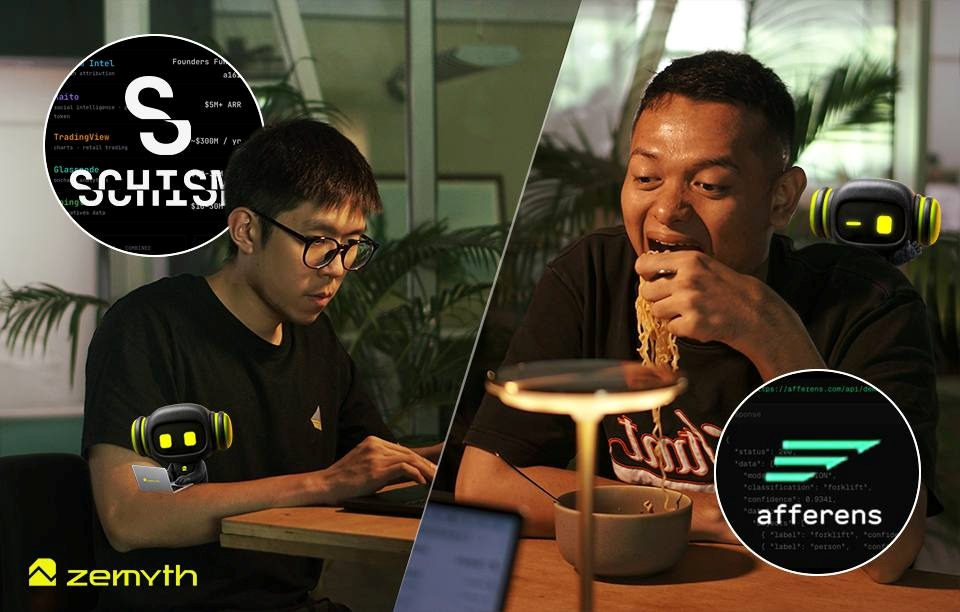
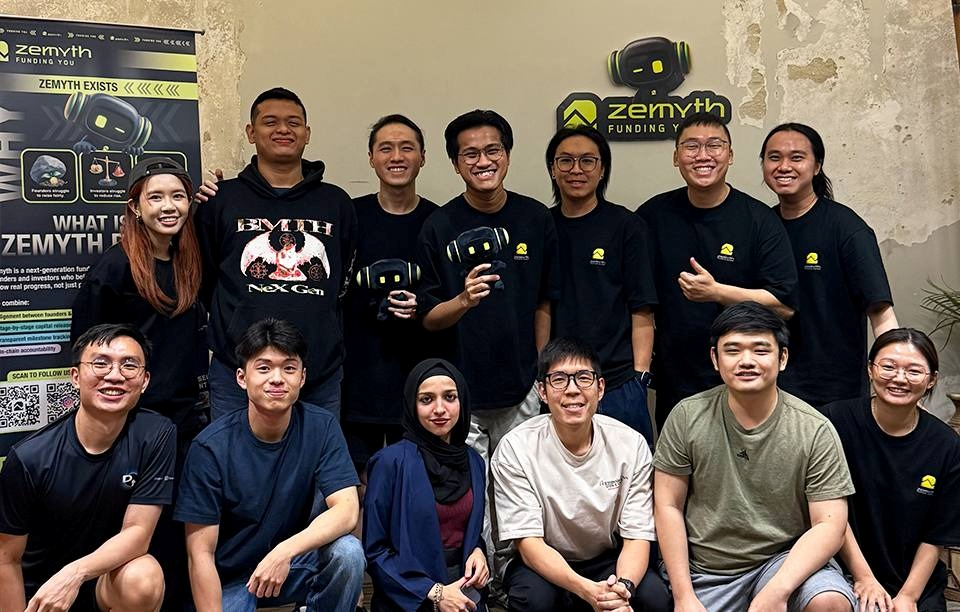
    Kuala Lumpur, Malaysia, June 17th 2026, ZEX PR WIRE — Zemyth, a milestone-gated accelerator for early-stage technical founders, today announced its first accelerator cohort, backing two startups — Afferens and Schism — with milestone-based pre-seed funding. The two companies are the first founders selected through Zemyth’s Have Fund 1.0 hacker house, a four-day, four-night intensive held in May 2026.


    Rather than a single shared round, the announcement marks a cohort: each startup is funded independently as a separate pre-seed commitment, with capital released against an execution calendar rather than disbursed upfront. The structure reflects Zemyth’s thesis that early-stage capital should follow demonstrated progress.

    “Milestone-gated capital means the structure does the diligence itself — so we can back founders earlier and easier than anyone else,” said Rain Chai , Co-founder of Zemyth and Tech Director of ZEMU VC, the venture firm backing the program. “Faris and Hiromasa shipped working products in days; that’s the bar.”

    Afferens: verified physical-world context for AI agents

    Afferens, founded by Faris Irfan (Founder & CEO), is building a hardware-agnostic, MCP-native API that gives AI agents verified physical-world context — starting with vision, with spatial, acoustic and environmental rolling out — before they act. Unlike perception tools that are input-only, Afferens is built with an actuation layer that lets agents send commands back to physical nodes, and is designed to install directly inside AI development environments such as Claude Code, Cursor and Windsurf.

     “AI agents are getting smarter, but they’re still acting half-blind to the physical world,” said Faris Irfan, Founder & CEO of Afferens. “We give them verified context — what’s actually there — before they make a move. Zemyth’s milestone model fits how we build: prove it, then scale it.”

    Schism: a cross-domain divergence engine for independent traders

    Schism, founded by Hiromasa (Founder), is a cross-domain divergence engine for independent traders. It flags, in real time, when independent signals — Polymarket odds, on-chain flow, social sentiment, centralized-exchange positioning, equities and macro — disagree on the same narrative, helping traders spot mispricing before price moves. Where most tools each track a single source, Schism is built to watch all six at once and surface the moment they conflict, building a proprietary labeled dataset of how cross-domain divergences resolve.
    “Edge comes from seeing disagreement before the market resolves it,” said Hiromasa, Founder   of Schism. “Schism watches six domains at once and surfaces the moment they diverge.  Zemyth backed the idea when it was still a prototype — that early conviction is rare.”

    About the cohort and the Have Fund model

    Both founders were selected through Have Fund 1.0, Zemyth’s flagship hacker house — a four-day, four-night intensive in May 2026 that brought founders together to turn raw ideas into fundable, working products. The inaugural edition selected six founders, with two — Afferens and Schism — advancing to pre-seed funding.

    Zemyth runs a six-month, milestone-gated program for pre-seed founders at the proof-of-concept and MVP stage across Southeast Asia, structured around outcome-based milestones — releasing capital against an execution calendar rather than upfront.

    About Zemyth

    Zemyth is a milestone-gated accelerator backing early-stage technical founders across Southeast Asia, supported by ZEMU VC. Through a six-month program, Zemyth provides pre-seed capital in outcome-based stages — released against an execution calendar rather than upfront — alongside hands-on support through its Have Fund hacker house. Learn more at zemyth.app or follow zemyth.app and zemyth.human on Instagram.

    About Afferens

    Afferens is building a hardware-agnostic, MCP-native API that gives AI agents verified physical-world context — starting with vision, expanding to spatial, acoustic and environmental — with an actuation layer that lets agents send commands back to physical nodes. Founded by Faris Irfan. Learn more at afferens.com.

    About Schism

    Schism is a cross-domain divergence engine for independent traders, surfacing real-time disagreement across Polymarket, on-chain flow, social sentiment, centralized-exchange positioning, equities and macro so traders can spot mispricing before price moves. Founded by Hiromasa. Learn more at schism.app.

    Media Contact:
    Rain Chai
    zemyth.app

  • Montreal Airport Professional Highlights the Value of Skilled Frontline Workers in Critical Infrastructure Industries

    Quebec, Canada, Jun 17, 2026, ZEX PR WIRE — As industries across Canada continue to navigate workforce challenges, Montreal airport professional Naimur Rahman is highlighting the growing importance of skilled frontline workers who help keep critical infrastructure operating safely and efficiently every day.

    Working as a ground crew professional at Montréal–Trudeau International Airport, Rahman has spent years supporting the behind-the-scenes operations that allow thousands of passengers and aircraft to move through one of Canada’s busiest transportation hubs. His experience has given him firsthand insight into the expertise, teamwork, and adaptability required of frontline workers across aviation and other essential industries.

    “People often see the end result, but they don’t always see the work that happens behind the scenes,” said Rahman. “Whether it’s aviation, transportation, healthcare, construction, or other critical sectors, skilled frontline workers play a major role in keeping communities functioning.”

    According to Rahman, many frontline careers require a combination of technical knowledge, situational awareness, communication skills, and the ability to perform under pressure. In aviation, even routine operations depend on teams working together with precision and consistency.

    “Every day brings different challenges,” he said. “Weather changes. Schedules change. Priorities can shift quickly. You learn that preparation and teamwork are essential.”

    Rahman believes the contributions of frontline professionals are becoming increasingly important as industries face evolving operational demands and growing expectations around efficiency and reliability.

    “The work may not always be visible to the public, but it has a direct impact on people’s daily lives,” he said. “When systems operate smoothly, it’s usually because skilled people are working together behind the scenes.”

    His perspective comes from years of working in a fast-paced airport environment where safety remains the top priority. Ground crews must coordinate with multiple teams, adapt to changing conditions, and maintain operational standards regardless of weather or scheduling pressures.

    Montreal’s winter climate provides a particularly clear example of the resilience required in many frontline professions.

    “When you’re working outside during a January cold snap, there isn’t much room for excuses,” Rahman said. “You focus on the job, support your team, and find solutions. That mindset applies to a lot of essential industries.”

    Rahman also believes more attention should be given to career pathways within frontline and operational professions. While these careers may not always receive the same visibility as office-based roles, they offer opportunities to develop valuable skills in leadership, communication, problem-solving, and teamwork.

    “Some of the best lessons I’ve learned came from working alongside experienced professionals,” he said. “You learn responsibility. You learn discipline. You learn how important it is to be dependable.”

    Beyond his professional responsibilities, Rahman remains active in the Montreal community as a husband, father, sports enthusiast, and supporter of local activities. He sees many parallels between successful workplaces, successful sports teams, and strong communities.

    “In all of those environments, people rely on each other,” he said. “Success usually comes from trust, communication, and a willingness to contribute.”

    As discussions continue about workforce development and the future of critical infrastructure, Rahman hopes greater recognition will be given to the professionals whose work often goes unnoticed but remains essential to daily life.

    “Frontline workers help keep cities moving,” he said. “They keep services operating, support communities, and solve problems every day. Those contributions matter, and they deserve recognition.”

    Through his work at Montréal–Trudeau International Airport, Rahman continues to advocate for the value of skilled frontline professionals and the critical role they play in supporting Canada’s infrastructure, economy, and communities.

    About Naimur Rahman

    Naimur Rahman is a Montreal-based ground crew professional working at Montréal–Trudeau International Airport. With experience in aviation operations, teamwork, and frontline service, he is passionate about workforce development, community engagement, and highlighting the contributions of essential workers. Rahman lives in Montreal with his wife and daughter.

  • Bookies.com Updates UK Apple Pay Casinos Guide to Reflect New UKGC Wagering Rules and Bonus Restrictions

    LONDON, UK, June 17th, 2026, Bookies.com, the UK-focused online gambling guide and review platform, today announced a comprehensive update to its Apple Pay Casinos guide for UK players. The refreshed resource reflects the regulatory changes that came into force on 19 January 2026, when the UK Gambling Commission (UKGC) capped wagering requirements on casino promotions at a maximum of 10x and prohibited mixed sports and casino bonus offers across the licensed market.

    The January reform represents the most significant change to UK online casino promotional rules since the UKGC’s April 2020 ban on credit card use for gambling. Operators across the market have been required to revise welcome offers, ongoing promotions, and bonus terms to comply with the new framework, creating a period of substantial uncertainty for players evaluating which platforms offer genuine value. Bookies.com’s updated guide is designed to cut through that uncertainty for the growing population of UK players who prefer Apple Pay as their primary deposit method.

    “Apple Pay has quietly become the default deposit method for a generation of UK casino players,” said a Bookies.com spokesperson. “With biometric authentication, no card details exposed to operators, and instant deposits confirmed by Face ID or Touch ID, it offers a level of security and convenience that traditional debit card flows simply cannot match. Combined with the new UKGC rules, this is the right moment to give UK players a definitive resource on which licensed Apple Pay casinos genuinely lead the market on transparency, withdrawal speed, and bonus value under the post-January framework.”

    Why Apple Pay Has Become Central to UK Online Casinos

    Industry estimates indicate that approximately 67 percent of UK shoppers now use Apple Pay regularly, with mobile-first behaviour particularly pronounced among the 18 to 44 demographic that drives the majority of UK online casino volume. The UKGC’s 2020 credit card ban removed one of the historical default deposit methods at UK-licensed casinos, accelerating the shift toward debit cards, e-wallets, and mobile payment methods including Apple Pay, Google Pay, and PayPal. For iOS users in particular, Apple Pay has become the path of least friction from the moment of sign-up through to first deposit.

    Tokenisation is central to the security advantage. When a UK player deposits using Apple Pay, the casino operator receives a unique transaction token rather than the player’s actual debit card number, meaning intercepted payment data holds no value outside the specific transaction context. Biometric authentication through Face ID or Touch ID adds a second factor that traditional card payments cannot replicate. Together, these protections address the categories of fraud and data breach risk that have historically affected online gambling platforms.

    What the Updated Guide Covers

    The refreshed Bookies.com guide evaluates UK-licensed online casinos on five weighted criteria: deposit and withdrawal speed for Apple Pay transactions, minimum deposit and withdrawal limits, transparency of fees and processing terms, eligibility of Apple Pay deposits for current welcome and reload bonuses under the new 10x wagering cap, and overall mobile platform quality across iPhone and iPad devices. Every recommendation is tested hands-on by the Bookies.com editorial team prior to inclusion, with reviews updated as operators adjust their terms in response to the January regulatory changes.

    Operators currently featured in the guide include bet365, Sky Vegas, 888casino, Virgin Games, Casimba, and LeoVegas, all of which hold active UKGC licences and accept Apple Pay for deposits with minimum amounts starting from £10. The guide also identifies operators that have removed Apple Pay eligibility from their welcome offers in response to the new regulatory environment, an important disclosure for players evaluating bonus value. Withdrawal handling is covered in detail, including the standard industry practice of returning Apple Pay deposits to the underlying linked debit card rather than to the Apple Pay wallet directly.

    The New UKGC Framework in Context

    The 19 January 2026 changes introduced three principal reforms. First, wagering requirements on all casino bonus offers are now capped at a maximum of 10x, a substantial reduction from the 35x to 50x requirements that had been common across the UK market. Second, promotional offers combining sports betting and casino elements are no longer permitted, requiring operators to separate their bonus structures by product vertical. Third, terms and conditions on all promotional offers must be presented to UK players with greater clarity, including upfront disclosure of game contributions, time limits, and eligible payment methods. The Bookies.com guide has been updated to reflect each of these requirements on an operator-by-operator basis.


    About Bookies.com

    Bookies.com is a UK-focused online gambling guide that provides independent reviews, operator comparisons, and player education resources for licensed online casinos, sportsbooks, and payment methods. The editorial team evaluates UK-licensed operators against transparent criteria covering bonuses, game libraries, payment methods, withdrawal speeds, customer support, and responsible gaming controls. Bookies.com is committed to responsible gambling and includes BeGambleAware.org resources, deposit limit guidance, and self-exclusion information throughout the site.

    This press release is intended for UK readers aged 18 and over. Gambling can be addictive. Please play responsibly. For confidential support visit BeGambleAware.org or call the National Gambling Helpline on 0808 8020 133.

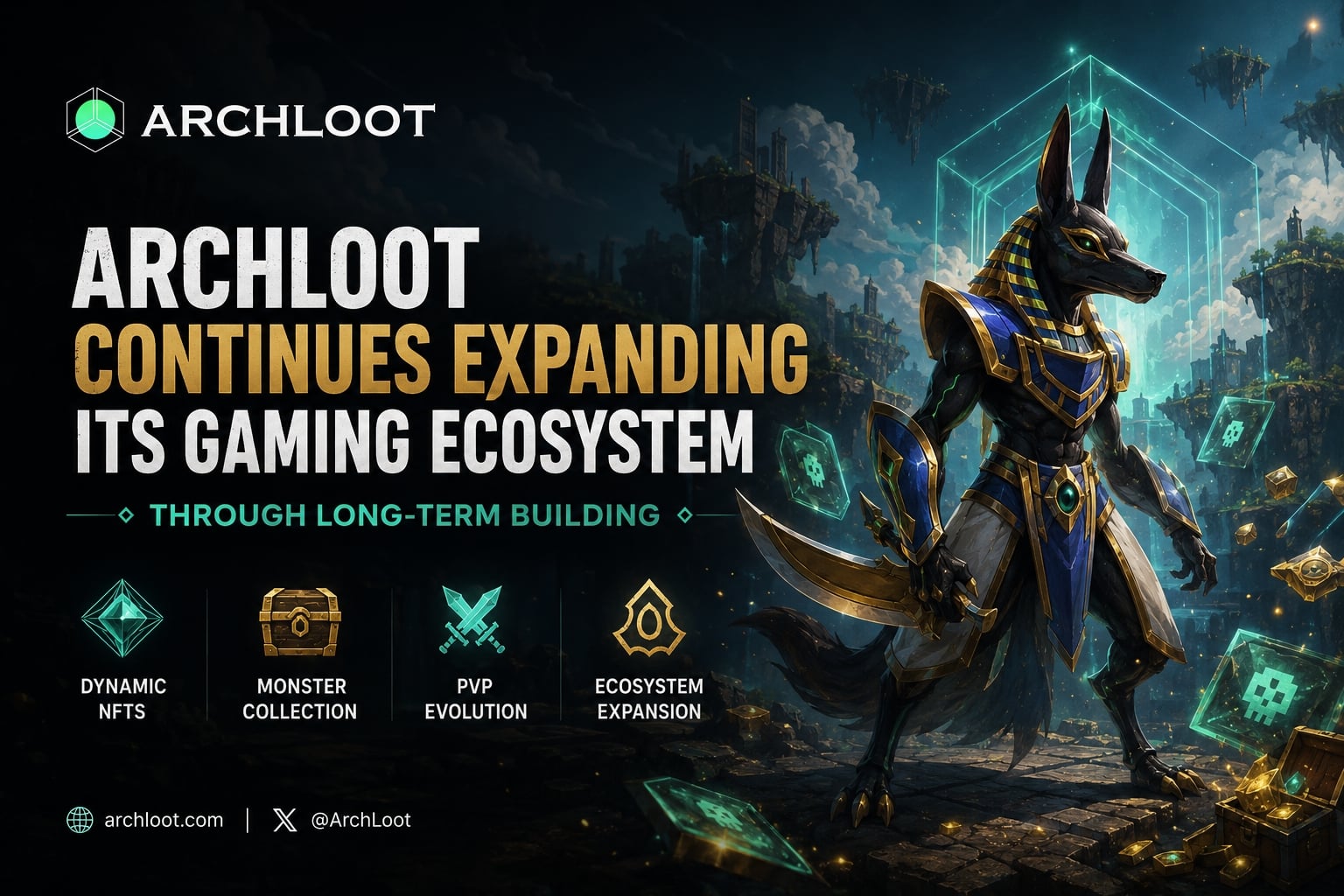
  • ArchLoot Continues Expanding Its Gaming Ecosystem Through Long-Term Building

    Singapore, 16th June 2026, ZEX PR WIRE — As the hype fades and countless Web3 gaming projects stall in the face of harsh market conditions, ArchLoot is doing the exact opposite: we are accelerating.

    We have completely moved past the industry’s short-term narratives and speculative cycles, doubling down instead on gameplay depth, player-driven creativity, and cross-chain infrastructure. By aggressively expanding and innovating while others pause, ArchLoot is cementing its position as a defining force reshaping the future of Web3 gaming.

    Building an Ecosystem Beyond a Single Game  

    ArchLoot’s growth strategy has never been limited to a single title. Over the past several years, the team has gradually expanded the ecosystem around its core game while introducing new ways for players to participate.

    The launch of Duckit introduced a lighter, more accessible gaming experience that broadened the ecosystem’s reach beyond traditional RPG players. At the same time, ArchLoot has continued to strengthen its community-driven gameplay systems, allowing players to customize characters, experiment with different strategies, and contribute to the evolving game world.

    This approach reflects a broader shift taking place across gaming. Players increasingly seek experiences where participation extends beyond simply completing quests or collecting rewards. They want environments that encourage creativity, experimentation, and social interaction. ArchLoot’s gameplay systems are designed with this philosophy in mind, creating a foundation that can support future content, new game modes, and ecosystem expansion.

    Multi-Chain Infrastructure Creates Long-Term Opportunities

    Behind the player experience, ArchLoot has spent years building the technical infrastructure needed to support a scalable gaming ecosystem.

    Its expansion into multi-chain environments and broader asset interoperability has significantly improved accessibility while reducing dependence on any single network. These infrastructure upgrades continue to support the ecosystem today, allowing players to engage with the game more efficiently while creating additional opportunities for future integrations and partnerships.

    More importantly, this infrastructure provides flexibility as the gaming landscape evolves. Whether through new collaborations, expanded gameplay experiences, or additional ecosystem products, ArchLoot is positioned to build on foundations that are already in place rather than starting from scratch.

    Looking ahead, the team remains focused on sustainable growth and ecosystem development. Rather than chasing short-lived trends, ArchLoot continues to explore new ways to expand its gaming universe, attract new audiences, and strengthen engagement across its community.

    In an industry where many projects struggle to maintain momentum, ArchLoot’s approach remains consistent: keep building, keep improving the player experience, and create an ecosystem capable of growing alongside the next chapter of blockchain gaming.

    About ArchLoot  

    Launched in 2022, ArchLoot is an NFT-based UGC game with loot-style composability and playability. Being influential in BNB, Ethereum, TON and other renowned ecosystems, it provides the first interactive gameplay in the industry, which fully enables on-chain implementation of upgradeable characters/props NFTs and unleashes its potential for playability and user-generated content robustness.

    Gathering talents from the world’s leading gaming publisher, AI projects, and financial elites, the team gathered experienced members and is currently operating across continents.

    Official website: www.archloot.com

  • Dr. Erin Waid Warns: Most Dental Emergencies Start with Warning Signs People Ignore

    • Dr. Erin Waid, an endodontist practicing in Salem and Portland, Oregon, is urging patients to recognize early symptoms of dental problems before they escalate into painful emergencies.

    The Hidden Cost of Waiting

    Oregon, USA, Jun 16, 2026, ZEX PR WIRE — Many people put off dental care until the pain becomes unbearable. By that point, what could have been a simple fix often requires complex treatment. Dr. Erin Waid sees this pattern daily in her endodontic practice, where she treats tooth pain, infections, and diseases affecting the inner dental pulp and roots.

    “A lot of patients come in when the pain is already severe. By that point, the problem has often progressed. Early care can change that outcome,” Waid explains.

    Most dental emergencies do not appear suddenly. They develop slowly over weeks or months, sending subtle signals that people dismiss or misinterpret. A brief twinge when drinking cold water. Tenderness when chewing on one side. A dull ache that comes and goes. These symptoms often get brushed aside until the infection spreads or the nerve becomes inflamed beyond repair.

    “My job is often to treat infections and save teeth. But many of these cases could have been less complex if addressed earlier,” Waid says.

    What People Miss

    The problem is not just delay. It is a lack of awareness about what qualifies as a warning sign. Most patients do not realize that even minor discomfort can signal a deeper issue.

    “People don’t always know what early warning signs look like. Even mild sensitivity can be a signal,” Waid notes.

    She points to common mistakes: assuming sensitivity will go away on its own, thinking over-the-counter pain relievers fix the underlying problem, or believing that if the pain stops, the issue has resolved. In reality, when tooth pain suddenly disappears without treatment, it often means the nerve has died. The infection remains and continues to spread silently.

    Waid brings a unique perspective to patient care. Before specializing in endodontics, she worked as a Family Nurse Practitioner and later as a general dentist and assistant professor at Oregon Health & Science University. That broad experience shaped her approach.

    “I look at the full picture. Oral health is connected to overall health. It’s not separate,” she says.

    Untreated dental infections can affect more than just the mouth. Research links chronic oral infections to systemic conditions including heart disease, diabetes complications, and immune system stress. Catching problems early protects both oral and overall health.

    The Communication Gap

    Part of the issue is how information gets shared, or does not get shared, between dentists and patients. Many people feel overwhelmed by clinical language or unsure what questions to ask. They leave appointments without fully understanding their diagnosis or why a recommended treatment matters.

    “When you explain what’s happening and why it matters, patients feel more in control,” Waid says.

    She emphasizes that patient education is not just good practice. It is essential for prevention. When people understand the connection between a small cavity and a potential root canal months later, they are more likely to act early. When they know that gum swelling or prolonged sensitivity indicates infection, they seek care before the tooth is lost.

    Self-Check Quiz: Are You Ignoring Dental Warning Signs?

    Take this quiz to assess your dental health awareness and habits. Answer yes or no to each question.

    1. Have you experienced tooth sensitivity to hot or cold that lasts more than a few seconds?

    2. Do you have pain when biting down or chewing on a specific tooth?

    3. Have you noticed swelling or tenderness in your gums?

    4. Do you wake up with jaw pain or headaches?

    5. Has a tooth changed color, becoming darker or grayish?

    6. Do you have a persistent bad taste in your mouth or bad breath that does not go away?

    7. Have you avoided chewing on one side of your mouth because of discomfort?

    8. Do you have a pimple-like bump on your gums that comes and goes?

    9. Has it been more than six months since your last dental checkup?

    10. Have you delayed dental care because you thought the problem would resolve on its own?

    Scoring: If you answered yes to one or two questions, schedule a dental checkup soon. If you answered yes to three or more questions, contact a dentist right away. These symptoms often indicate issues that require professional evaluation.

    What To Do Next: A Decision Tree

    Follow these simple steps based on your current situation.

    Step 1: Are you experiencing tooth pain, sensitivity, or swelling right now?

    • Yes: Call your dentist today for an appointment. If pain is severe or you have facial swelling or fever, seek care immediately.

    • No: Continue to Step 2.

    Step 2: When was your last dental checkup?

    • More than six months ago: Schedule a routine exam and cleaning within the next two weeks.

    • Within the past six months: Continue to Step 3.

    Step 3: Have you noticed any changes in your teeth or gums, even minor ones?

    • Yes: Document what you notice (which tooth, what triggers discomfort, how long symptoms last) and share this with your dentist at your next visit. If symptoms persist or worsen, call for an earlier appointment.

    • No: Continue regular dental checkups every six months and monitor for any new symptoms.

    Step 4: Do you practice daily oral hygiene (brushing twice a day and flossing)?

    • No: Start today. Set reminders if needed. Good home care prevents many problems.

    • Yes: Keep it up and stay alert to any changes in your oral health.

    Why This Matters Now

    Prevention saves more than discomfort. It saves teeth, time, and money. Root canal treatment, while effective, is more complex and costly than treating a cavity early. Tooth extraction and replacement options are even more involved. Yet many of these outcomes are avoidable.

    “I wanted to understand the whole patient, not just one system,” Waid says, reflecting on her career path. That perspective drives her focus on education and early intervention.

    Her background includes research on pediatric dental care and oral biology. She received the Award in Oral Biology from OHSU’s Integrative Biomedical and Diagnostic Sciences Department, recognizing her aptitude and future promise in education and research. She also earned the Dean’s Research Scholarship at OHSU for her work on preventive therapies in children with severe early childhood caries.

    Waid serves as a member of the American Association of Endodontics and the Marshall Baumgartner Endodontic Study Group. She previously served on the Multnomah County Ryan White Planning Council from 2018 to 2021, helping allocate funds for HIV/AIDS programs.

    Her commitment to community and education extends beyond the clinical setting. She volunteered as an evaluator and mentor for the Seafair Scholarship Program for Women from 2012 to 2018 and served as Miss Seafair from 2006 to 2007, a role focused on community service and fostering confidence in young women.

    Take Action Today

    Do not wait until pain forces you into an emergency appointment. Run through the self-check quiz today. Share it with friends and family members who may be putting off dental care. Early awareness and action can prevent serious problems and protect long-term oral health.

    If you answered yes to any quiz question or if you are overdue for a checkup, reach out to your dentist this week. Your teeth will thank you.


    About Dr. Erin Waid

    Dr. Erin Waid is an endodontist specializing in the diagnosis and treatment of tooth pain, infections, and diseases affecting the inner dental pulp, nerves, and roots. She practices at Salem Endodontic Associates in Salem, Oregon and Multnomah Endodontics and Microsurgery in Portland, Oregon. Her career includes experience as a Family Nurse Practitioner, clinical researcher, general dentist, and assistant professor at Oregon Health & Science University. She holds a Doctor of Dental Medicine and Certificate in Endodontics from OHSU, a Master of Science in Nursing from Seattle University, and a Bachelor of Science in Biology from the University of Portland.

  • Domain Listings Debunks 5 Myths That Undermine Small Business Online Visibility

    • Domain Listings, LLC, a Las Vegas-based business directory platform, shares the most damaging misconceptions that prevent small businesses from being found online.

    The Hidden Cost of Bad Advice

    Las Vegas, NV, Jun 16, 2026, ZEX PR WIRE — Small business owners are drowning in online marketing advice. Much of it is wrong. After 13 years operating a directory platform that serves over 150,000 businesses across the United States, Domain Listings has identified five persistent myths that cost businesses customers, waste time, and undermine online visibility.

    “The online marketing space moves fast and it is easy to chase trends or cut corners,” the company explains. “What has kept Domain Listings, LLC operating for over 13 years is staying focused on delivering a real product, maintaining honest communication with customers, and continuously improving how we serve the businesses listed on our platform.”

    These myths are not harmless mistakes. They shape how business owners invest their time, money, and energy. Understanding the truth behind them can mean the difference between being found by a customer who needs you and being invisible online.

    Myth One: You Need a Big Budget to Compete Online

    Many small business owners believe that without thousands of dollars for advertising, they cannot compete with larger companies online. This belief keeps them from taking simple, affordable actions that improve visibility.

    “When I think about who is on the other end of a listing — a contractor trying to get found in a competitive market, a family business that has been operating for decades but never had a strong online presence — that is what keeps me motivated,” the company notes. “They are the reason the platform exists and the reason we work every day to improve it.”

    The reality is that consistent, basic visibility efforts matter more than big budgets. Search engines reward accuracy, completeness, and consistency across platforms. A business with correct contact information, clear service descriptions, and current hours listed in multiple directories will often outperform a competitor with a flashy website and no directory presence.

    Practical tip: Claim your business on one free directory today. Google Business Profile is the most essential, but add your business to at least one more. Consistency starts with two accurate listings.

    Myth Two: Directories Are Outdated

    Business owners often assume that online directories are relics from the early internet. They believe social media and paid ads have replaced them. This misunderstanding ignores how search engines actually work.

    Directories provide what search engines call citations. These are mentions of your business name, address, and phone number across the web. Citations signal to search engines that your business is legitimate and established. They contribute to local SEO rankings, which determine who shows up when someone searches for services in a specific area.

    The platform has grown to attract over 21,000 unique visitors per month. These are people actively searching for businesses by category and location. That kind of targeted traffic does not become irrelevant just because newer marketing channels exist.

    Practical tip: Search for your business name and city in Google. If you appear in fewer than five places on the first page, you need more directory listings. Add your business to three directories this week.

    Myth Three: Once You List Your Business, You Are Done

    Many business owners treat directory listings like a one-time task. They create a profile, submit it, and never return. Then they wonder why it does not generate results.

    “Customer service has been our biggest area of growth,” Domain Listings reflects. “Early feedback made it clear that we needed to invest more in how we handle customer concerns — not just in resolving issues, but in the way we communicate throughout the process.”

    The same principle applies to business listings. Online visibility requires maintenance. Hours change. Services expand. Contact information updates. If your listings are outdated, potential customers cannot reach you. Worse, search engines may demote you in results because your information conflicts across platforms.

    Practical tip: Set a recurring calendar reminder every three months to review your top five listings. Verify your hours, phone number, and service descriptions are current. This takes 15 minutes and prevents lost customers.

    Myth Four: All Directories Are Scams

    The directory industry has credibility problems. Bad actors have used deceptive tactics, aggressive billing, and fake invoices to exploit business owners. This has created a reputation issue that affects legitimate platforms.

    “Operating in the online directory space has never been without challenges,” the company acknowledges. “The category has been damaged by bad actors who used deceptive practices, and that has created a credibility challenge for legitimate operators like us. The way I have approached it is through transparency — being clear about what we are, what we offer, and standing behind our service with a real refund policy and real customer support.”

    Not all directories operate the same way. Legitimate platforms are transparent about pricing, provide real customer support, and offer straightforward refund policies. They do not send mailers that look like invoices. They do not auto-renew without clear disclosure. Researching a directory before committing takes minutes and protects your business.

    Practical tip: Before paying for any directory listing, check three things. Does the site have a visible refund policy? Can you find customer reviews? Can you contact support with a real question and get a response? If the answer to any of these is no, walk away.

    Myth Five: You Can Control Your Online Reputation by Ignoring It

    Some business owners believe that if they do not engage with online reviews or listings, negative content will disappear or matter less. The opposite is true. Silence allows outdated information, competitor listings, and unaddressed complaints to define your online presence.

    “I stay close to the data and close to the customer,” the company explains. “Reading feedback — even negative feedback — is one of the most direct ways to understand where there is room to grow.”

    The businesses that succeed online are the ones that show up, respond, update, and engage. This does not mean spending hours every day on social media. It means regularly checking your listings, responding to reviews when appropriate, and making sure the information customers find is accurate.

    Practical tip: Google your business name once a month. Read what appears on the first page. If something is wrong, fix it. If someone left a review, respond to it. Fifteen minutes of attention each month prevents bigger problems later.

    If You Only Remember One Thing

    Online visibility is not about having the biggest budget or the fanciest website. It is about consistency. Accurate information in multiple places, maintained over time, builds trust with search engines and customers. Small, regular actions outperform expensive one-time efforts.

    “Consistency and transparency,” the company summarizes as its guiding principles. “Trust is slow to build and fast to lose — that shapes every decision we make.”

    The businesses that get found online are not necessarily the best. They are the ones that show up accurately and consistently in the places customers are searching.

    Take One Action Today

    Choose one tip from this list and complete it today. Claim a directory listing. Update your hours. Google your business name and fix one outdated piece of information. Then share this myth list with another small business owner who might be making the same mistakes.

    Visibility starts with action. The best time to improve your online presence was last year. The second best time is right now.


    About Domain Listings, LLC

    Domain Listings, LLC is an online business directory platform founded in Las Vegas, Nevada in March 2013. The company provides small businesses across the United States with an affordable, accessible way to establish and grow their online presence through a searchable business directory. Over the past 13 years, the platform has grown to serve over 150,000 businesses nationwide and attracts over 21,000 unique visitors per month. Domain Listings focuses on transparency, customer communication, and helping small businesses compete online without large marketing budgets.

  • Arthur Deibler: Fitness Should Not Feel Exclusive

    • Arthur Deibler, owner of Bullpen Fitness Recreation in Valley View, Pennsylvania, is working to make fitness accessible in rural communities where intimidation and exclusivity often keep people from getting started.

    The Problem with Fitness Intimidation

    Pennsylvania, USA, Jun 16, 2026, ZEX PR WIRE — Most gyms market themselves to people who already work out. The branding, the equipment, the culture all send a message that you need to look a certain way or know what you are doing before you walk in. For communities in rural Pennsylvania, this barrier is even higher. When the nearest fitness center is a 20-minute drive and feels unwelcoming, people simply do not go.

    Arthur Deibler saw this problem firsthand in Valley View and surrounding areas of Schuylkill County. After graduating from Lebanon Valley College in 2013, he built multiple businesses focused on bringing people together. His latest venture, Bullpen Fitness Recreation, was designed specifically to solve the accessibility problem.

    “Fitness should not feel exclusive,” Deibler said. “The goal should be getting people moving and creating habits they can actually maintain.”

    Building a Space Where Everyone Belongs

    Bullpen Fitness Recreation operates on a different model. Instead of mirroring big-box gym culture, Deibler focused on creating an environment where beginners feel comfortable from day one. The space is designed for families, first-timers, and community members who want to move more without judgment.

    “I wanted a place where someone could walk in on day one and not feel out of place,” Deibler explained.

    That philosophy extends beyond equipment selection. The entire operation centers on relationship building. Staff greet members by name. Regulars help newcomers learn the ropes. The atmosphere is supportive rather than competitive.

    “The atmosphere matters,” Deibler said. “People stay consistent when they feel comfortable and supported.”

    Lessons from Football and Local Business

    Deibler grew up playing football in Pennsylvania. The sport taught him discipline, consistency, and how to show up even when motivation runs low. Those lessons carried into his business approach.

    “Football taught me how to show up every day and do the work,” he said. “You don’t win games by accident, and you don’t build businesses that way either.”

    He also owns Prima Pizzeria and Lucky Horse Tavern in Valley View. Each business operates on the same principle: create a place people want to return to. Whether it is food, fitness, or recreation, the focus is on genuine connection.

    “I always liked the idea of building something local,” Deibler said. “Something people could actually use in their daily lives.”

    Why Community Spaces Matter in Rural Areas

    Rural communities often lack third spaces where people can gather outside of work and home. When fitness centers close or remain inaccessible, public health suffers. People become more isolated. Chronic conditions go unmanaged. The social fabric weakens.

    Deibler believes local business owners have a responsibility to fill that gap. Bullpen is not just a gym. It is a gathering place. A spot where neighbors run into each other. A consistent anchor in daily routines.

    “People remember how a place makes them feel,” he said.

    He keeps operations lean and practical to maintain flexibility. That allows him to adapt quickly to what the community actually needs rather than chasing trends or scaling for the sake of growth.

    Local Action List

    You do not need a perfect plan or expensive equipment to start moving more and building community connections. Here are 10 steps you can take this week:

    1. Visit a local gym or recreation center and ask for a walk-through tour to see if the environment feels welcoming.

    2. Invite a neighbor or coworker to take a walk with you after dinner twice this week.

    3. Research community fitness classes at libraries, churches, or parks departments that offer low-cost or free options.

    4. Set a simple movement goal like 15 minutes of activity three times this week and write it on your calendar.

    5. Join a local Facebook group or community board to find walking groups, sports leagues, or fitness meetups in your area.

    6. Ask a friend who works out regularly to bring you along as a guest to their gym or class.

    7. Check if your local YMCA, community center, or recreation facility offers income-based membership rates.

    8. Commit to one physical activity you enjoyed as a kid, whether it is shooting hoops, riding a bike, or playing catch, and do it once this week.

    9. Volunteer at a local church, food bank, or community event that involves physical activity and connection with neighbors.

    10. Start a simple accountability text chain with two friends where you share when you moved your body each day.

    Finding Trustworthy Local Resources

    Look for fitness and recreation spaces that prioritize community over image. Visit in person and pay attention to how staff treat first-time visitors. Ask about trial periods or guest passes before committing to a membership. Check with your local Chamber of Commerce or municipal recreation department for a list of community wellness programs. Talk to neighbors about where they feel welcome. Trustworthy spaces will answer your questions without pressure and make it easy to start small.

    Take One Step Today

    You do not need to overhaul your life or commit to a year-long contract. Pick one action from the list above and do it today. Visit a local fitness space. Ask a friend to walk with you. Research one community program. Building healthier habits starts with showing up, and showing up is easier when you feel welcome.


    About Arthur Deibler

    Arthur Deibler is the Founder and CEO of Bullpen Fitness Recreation in Valley View, Pennsylvania. He also owns Prima Pizzeria and Lucky Horse Tavern in Valley View and serves as a Business Partner at Deibler a Brother Novelties. A graduate of Lebanon Valley College, Deibler focuses on creating community-centered businesses that bring people together. He volunteers at Hebron United Methodist Church in Millersburg, Pennsylvania.