Author: Zex PRwire

  • Smart Mobility Trends set by Sky Bridge Cars at London airports

    London, UK, 22nd January 2026, ZEX PR WIRE, In the rapidly evolving landscape of urban transportation, Sky Bridge Cars has emerged as a pioneering force in London’s airport transfer industry. Founded on the principles of sustainability, innovation, and exceptional service, we’re not just providing rides—we’re reshaping how Londoners and visitors think about getting to and from the city’s five major airports.

    Our journey began with a simple observation: traditional airport transfers were inefficient, environmentally harmful, and failed to leverage the technological advances transforming every other industry. Today, Sky Bridge Cars operates a growing fleet of premium electric vehicles, serves over 500,000 passengers annually, and maintains a commitment to achieving carbon-neutral operations by 2026.

    Our Smart Mobility Mission

    Sky Bridge Cars is committed to revolutionising London airport transfers through three pillars: electrification of our entire fleet, digitisation of the booking and travel experience, and optimisation of routes using AI-powered traffic prediction.

    What sets Sky Bridge Cars apart is our holistic approach to smart mobility. We’ve integrated cutting-edge technology throughout the customer journey—from our intelligent booking platform that predicts optimal pickup times based on flight data and traffic patterns, to our in-vehicle connectivity that transforms travel time into productive or relaxing experiences.

    Future of Mobility: Urban Strategy for London

    The future of urban mobility is being written today, and London stands at the forefront of this transformation. With the city’s Ultra Low Emission Zone (ULEZ) expansion, increasing congestion charges, and ambitious net-zero targets, the pressure to evolve has never been greater. Sky Bridge Cars has positioned itself not just to comply with these changes, but to lead them.

    Our urban mobility strategy encompasses several key initiatives:

    • Multi-Modal Integration: Seamless connections with the Elizabeth Line, Tube services, and bus networks to offer first-mile and last-mile solutions

    • Dynamic Pricing Models: AI-driven pricing that encourages off-peak travel and reduces congestion during busy periods

    • Shared Ride Options: Smart matching algorithms that pair travellers heading in similar directions, reducing per-passenger emissions by up to 50%

    • Predictive Maintenance: IoT sensors across our fleet ensure maximum vehicle uptime and safety

    The Transport for London (TfL) Future Transport strategy emphasises the need for private operators to complement public transit rather than compete with it. Sky Bridge Cars embraces this philosophy, working alongside rather than against the city’s transport infrastructure to create a more efficient, sustainable urban environment.

    London Airport Transfer: The Sky Bridge Cars Experience

    London’s five major airports—Heathrow, Gatwick, Stansted, Luton, and London City—collectively handle over 180 million passengers annually. Each presents unique challenges and opportunities for smart mobility solutions. Sky Bridge Cars has developed tailored approaches for each airport, ensuring optimal service regardless of your destination or origin.

    Heathrow Airport (LHR)

    Europe’s busiest hub demands precision timing and flexibility. Our smart booking system monitors flight arrivals in real-time, adjusting pickup times automatically for delays. For Heathrow transfers, we’ve established strategic staging areas that minimise wait times while reducing airport congestion.

    Gatwick Airport (LGW)

    London’s second-largest airport and a major gateway for leisure travellers. Our EV fleet is particularly well-suited for the longer journey to central London, with vehicles offering premium amenities including onboard Wi-Fi, charging ports, and entertainment systems.

    Smart Airport Transfer Features

    Every Sky Bridge Cars airport transfer includes: real-time flight tracking, 60-minute free waiting time, meet & greet service at arrivals, complimentary in-car Wi-Fi, and fixed pricing with no surge charges.

    Stansted & Luton Airports

    Primarily serving budget airlines and business travellers, we’ve developed express services that prioritise efficiency without compromising comfort. Our corporate accounts are particularly popular among business travellers using these airports, offering consolidated billing and priority booking.

    London City Airport (LCY)

    Located in the Royal Docks, serving the financial district with short-haul European flights. Our executive fleet caters specifically to this market, with vehicles equipped for mobile working and privacy screens for confidential calls.

    The Shift to Electric Vehicles (EVs) in Airport Transfers

    The transition to electric vehicles represents the most significant transformation in ground transportation since the invention of the automobile. For airport transfers specifically, EVs offer compelling advantages that extend far beyond environmental benefits.

    Why Sky Bridge Cars Chose Electric:

    • Superior Passenger Experience: Electric vehicles operate nearly silently, creating a peaceful cabin environment after long flights. The instant torque provides smooth acceleration, while regenerative braking ensures gentle deceleration.

    • Cost Efficiency: Lower operating costs per mile allow us to offer competitive pricing while investing in premium vehicle specifications.

    • ULEZ Compliance: Our entire fleet meets or exceeds London’s emission requirements, ensuring uninterrupted access to all zones.

    • Reliability: Fewer moving parts mean less maintenance and higher uptime, translating to better service availability.

    Our current fleet includes the Tesla Model S and Model X for premium transfers, the Mercedes EQS for executive services, and Volkswagen ID. Buzz vehicles for group airport transfers. Each vehicle is maintained to exacting standards and equipped with the latest autonomous safety features.

    EV Fleet Statistics

    Sky Bridge Cars’ electric fleet has completed over 2 million emission-free miles, prevented 800 tonnes of CO2 emissions, and saved passengers an estimated £150,000 in ULEZ charges through clean vehicle travel.

    The charging infrastructure challenge—often cited as a barrier to EV adoption—has been addressed through our network of rapid charging stations strategically located near each London airport. Our operations team monitors vehicle charge levels in real-time, ensuring every passenger journey begins with adequate range for multiple transfers.

    Smart Mobility: Transforming Your Airport Transfer

    Smart mobility is more than a buzzword—it’s a comprehensive approach to transportation that leverages technology, data, and connectivity to create superior travel experiences. At Sky Bridge Cars, smart mobility principles inform every aspect of our operations.

    The Intelligence Behind Your Journey:

    When you book a Sky Bridge Cars transfer, our system immediately begins optimising your journey. Machine learning algorithms analyse historical traffic data, current conditions, scheduled events, and even weather forecasts to predict the ideal pickup time. For airport arrivals, we integrate with flight tracking APIs to monitor your aircraft’s position and adjust accordingly.

    During your journey, our smart routing technology continuously evaluates alternative paths, making real-time adjustments to avoid congestion, accidents, or roadworks. This isn’t simple GPS navigation—it’s predictive intelligence that anticipates problems before they impact your travel.

    Key Smart Mobility Features:

    • Predictive ETAs: Our arrival time estimates are accurate to within 3 minutes, 95% of the time

    • Dynamic Route Optimisation: Average journey times reduced by 15% compared to standard navigation

    • Proactive Communication: Automated updates via SMS, WhatsApp, or app notification keep you informed at every stage

    • Seamless Payment: Cashless, contactless transactions with automatic receipt generation for business travellers

    Looking ahead, Sky Bridge Cars is exploring autonomous vehicle integration for airport transfers. While fully self-driving cars remain years away from widespread deployment, we’re already testing advanced driver-assistance systems that enhance safety and efficiency on every journey.

    Key Performance Metrics

    Metric

    Value

    Electric Fleet Target

    100% by 2026

    London Airports Served

    5 (LHR, LGW, STN, LTN, LCY)

    Carbon Reduction Achieved

    40% Year-on-Year

    Annual Passengers

    50,000+

    ETA Accuracy

    95% within 3 minutes

    Conclusion

    The smart mobility revolution is transforming London airport transfers from a necessary inconvenience into a seamless, sustainable, and even enjoyable part of the travel experience. Sky Bridge Cars stands at the forefront of this transformation, combining electric vehicle technology, artificial intelligence, and customer-centric service design to redefine what passengers should expect from ground transportation.

    As we look to the future, our commitment remains unwavering: to provide the most reliable, sustainable, and intelligent airport transfer service in London. Whether you’re a business traveller rushing between meetings, a family starting your holiday, or a visitor discovering London for the first time, Sky Bridge Cars is here to make your journey exceptional.

  • Sharjah Airport welcomes over 19.4 million passengers in 2025, achieving 13.9% growth

    In 2025, Sharjah Airport achieved the following milestones:

    Sharjah Airport

    • Expanded its route network to strengthen connectivity to more than 100 global destinations
    • Welcomed four new international airlines to its growing network
    • Introduced new services to streamline procedures and enhance the passenger experience
    • Renewed international accreditations, reflecting its commitment to sustainability and service excellence
    • Maintained a strong global presence at leading international travel and aviation exhibitions

    Sharjah, UAE, 22nd January 2026, The Sharjah Airport Authority (SAA) has announced record-breaking results for Sharjah International Airport in 2025, welcoming 19.48 million passengers, up from 17.1 million in 2024 and 15.36 million in 2023, marking a strong 13.9 per cent year-on-year increase.

    Sharjah Airport continued its upward trajectory across passenger traffic, aircraft movements and air cargo volumes, driven by the expansion of its destination network, stronger partnerships and a growing portfolio of international accreditations. These milestones further reinforce the airport’s position as a leading hub for air transport and logistics.

    Aircraft movements also reached a new high, with 116,657 flights recorded in 2025, compared to 107,760 in 2024 and 98,433 in 2023, representing an 8.3% increase. The growth underscores the airport’s expanding role in regional and international connectivity and reflects sustained momentum supported by network expansion, rising tourism demand and enhanced operational capacity.

    Air Cargo Growth

    Air cargo operations at Sharjah Airport also continue strong momentum, with total handled volumes reaching 204,323 tonnes in 2025, compared to 195,909 tonnes in 2024 and 141,358 tonnes in 2023, reflecting an upward trajectory in the performance of this vital sector.

    Sea Freight

    Sea freight services through Sharjah Airport recorded steady growth over the past three years, with handling volumes reaching 12,566 tonnes in 2023 and 14,035 tonnes in 2024, before rising to 16,770 tonnes in 2025. This upward trend reflects growing demand for this logistics corridor and its role in supporting trade flows and strengthening the integration of global supply chains.

    The sustained growth highlights Sharjah Airport’s expanding capabilities as a logistics gateway linking Asia, Africa, the Middle East and Europe. The increase was supported by continued demand for integrated air freight solutions, sea-air cargo operations and partnerships with leading international cargo carriers, reinforcing Sharjah’s strategic position within global supply chains.

    Long-Term Strategy

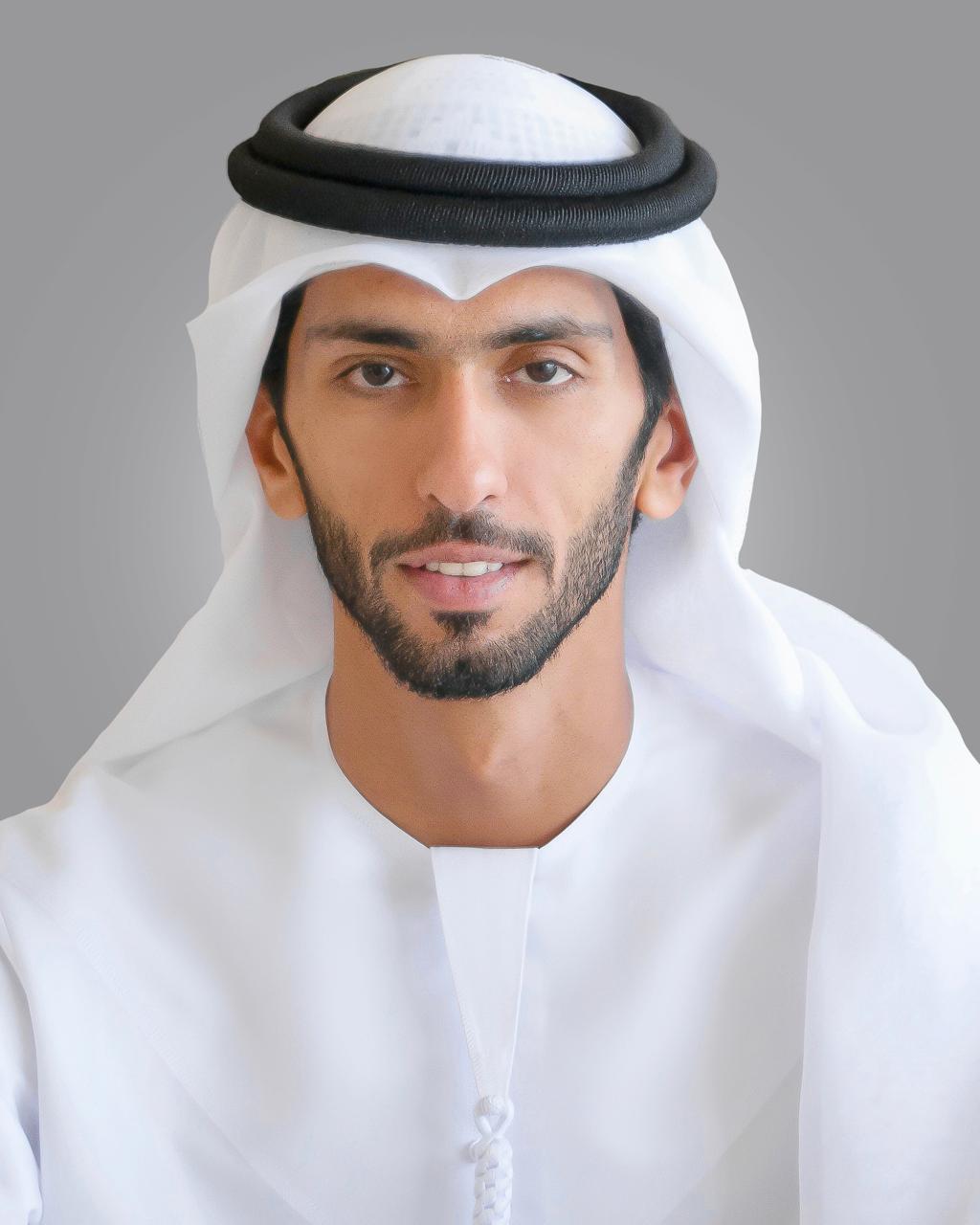
    His Excellency Ali Salim Al Midfa, Chairman of Sharjah Airport Authority, said the 2025 results reflect the success of the airport’s long-term strategy and its strong commitment to operational excellence. He noted that the steady rise in passenger and cargo volumes aligns with Sharjah Airport’s goals to increase capacity, enhance service quality and support the emirate’s broader economic and tourism ambitions.

    His Excellency Ali Salim Al Midfa, Chairman of Sharjah Airport Authority

    H.E. Al Midfa added that continued investment in infrastructure, digital systems and sustainability initiatives remains central to the airport’s growth agenda, alongside strengthening partnerships with airlines and logistics operators.


    Supporting Economic Growth

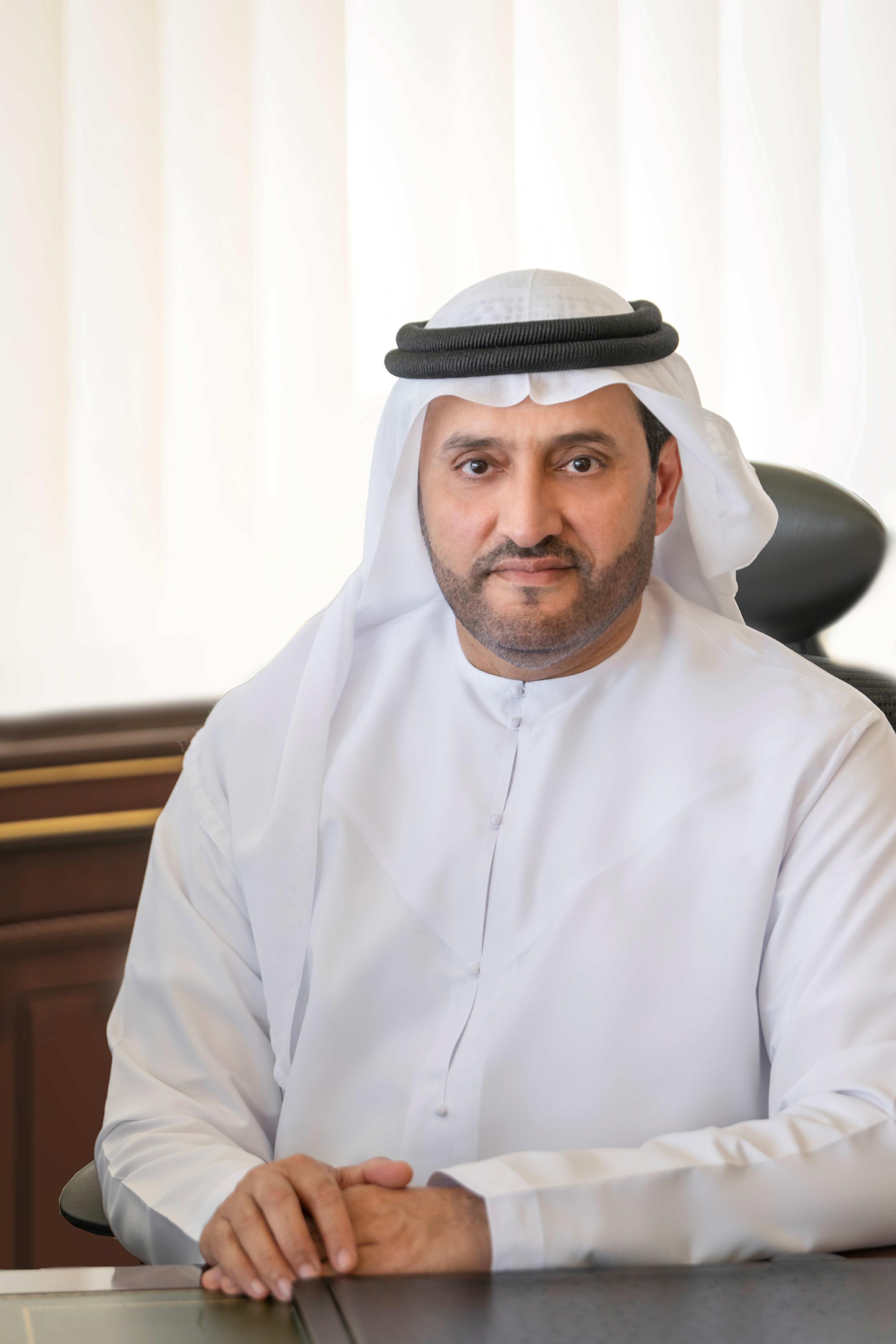
    His Excellency Sheikh Faisal bin Saud Al Qasimi, Director of Sharjah Airport Authority, said the exceptional performance in 2025 reflects the growing role the airport continues to play in supporting travel and business activity, further strengthening Sharjah’s position as a key hub in regional and international markets.

    His Excellency Sheikh Faisal bin Saud Al Qasimi, Director of Sharjah Airport Authority

    H.E. Sheikh Faisal Al Qasimi noted that the airport’s growth is underpinned by advanced infrastructure, efficient governance and a supportive regulatory environment, enabling Sharjah Airport to meet rising demand efficiently while maintaining high operational and service standards.


    New Destinations

    In this context, Sharjah Airport continued to expand its flight network in 2025 by adding new direct routes to major global capitals and cities. Air Arabia launched direct flights from Sharjah Airport to Krabi in Thailand, Munich in Germany, Prague in the Czech Republic, Warsaw Modlin in Poland, Vienna in Austria, Addis Ababa in Ethiopia and Sochi in Russia.

    In addition, Air Arabia recently announced the launch of direct flights from Sharjah Airport to London in the United Kingdom, scheduled to commence in March 2026. Sharjah Airport also expanded its network in 2025 with the addition of new destinations in Iran, including Ahvaz, Qeshm and Bandar Abbas, further strengthening regional connectivity.


    Expanding Air Connectivity

    In 2025, four new international airlines joined Sharjah Airport’s network, including Oman’s SalamAir, Iran’s Caspian Airlines, Syria’s Fly Cham and Ethiopian Airlines. This expansion connected passengers to more than 100 global destinations and further strengthened the airport’s air connectivity network.


    Enhancing Services

    Sharjah Airport Authority continues to enhance the passenger experience, boost cargo efficiency and improve its environmental performance, supporting Sharjah’s economic diversification and strengthening the UAE’s aviation sector. These ongoing efforts reflect Sharjah Airport Authority’s commitment to continuous improvement, supporting Sharjah’s economic diversification and reinforcing the UAE’s position as a leading global aviation centre.

  • Medifakt Introduces a Next-Gen Consumer Health App Built for Secure, Patient-Owned Health Data

    Medifakt introduces a next-generation digital health platform that combines blockchain security, AI-driven insights, and IoT integration to give individuals full control over their health data.

    Estonia, January 22nd, 2026, ZEX PR WIRE, Medifakt today announced the official launch of the Medifakt mobile application, now available on the Apple App Store. The app is designed to address one of healthcare’s most persistent challenges: fragmented, insecure, and opaque health data systems that limit patient ownership and trust.

    Medifakt provides a secure, user-centric health data ecosystem where individuals can store, monitor, and manage personal health information with full transparency and control. By integrating advanced technologies such as blockchain, artificial intelligence, and compatible wearable devices, including the medifakt smart ring and fitness band, the platform enables real-time health insights of vital health data directly, while prioritizing privacy and data integrity

    Enabling Smarter, More Accessible Healthcare Engagement

    Traditional healthcare data systems rely heavily on centralized architectures, creating vulnerabilities related to data breaches, limited interoperability, and minimal patient control. Medifakt is built to challenge this model by placing individuals at the center of their own health data journey.

    The platform enables users to securely manage health metrics, track vital data from connected devices, and access AI-powered insights without compromising privacy. Blockchain-based data architecture ensures tamper-resistant records and transparent data handling, helping to establish a new standard for trust in digital health applications.

    Key Features of the Medifakt App

    The Medifakt app delivers a comprehensive set of features designed for modern, data-driven healthcare engagement:

    • Secure Health Data Management
      Encrypted storage of personal health information with user-controlled access permissions.
    • Blockchain-Enabled Data Integrity
      Immutable and verifiable health records that enhance transparency and trust.
    • AI-Powered Health Insights
      Intelligent analytics that help users better understand trends and patterns in their health data.
    • IoT and Wearable Integration
      Seamless connectivity with compatible health devices for real-time vital tracking.
    • Privacy-First Architecture
      Built with a strong emphasis on data security, user consent, and regulatory-aligned data handling principles.

    Medifakt is positioned to support a wide range of use cases, from individual wellness monitoring to future integrations with advanced digital health ecosystems. The platform’s modular architecture enables scalability, making it well-suited for evolving healthcare needs across various regions and regulatory environments.

    By combining emerging technologies into a unified system, Medifakt aims to empower users with actionable health intelligence while maintaining strict standards for privacy and security.

    About Medifakt

    Medifakt is a consumer-focused digital health ecosystem designed to simplify how individuals monitor, manage, and engage with their health. The platform brings together smart health wearables, including a health ring and health band, with a secure mobile application and virtual healthcare access to deliver a connected, user-centric health experience.

    At the core of Medifakt is an integrated ecosystem that seamlessly connects wearable-generated health data with structured health reports, daily and comprehensive check-ups, and virtual consultations. Through the Medifakt app, users can track key health metrics, review clear summaries of their wellness data, manage personal health profiles, and engage with qualified healthcare professionals from a single, unified platform.

    Medifakt is built with a strong emphasis on privacy, transparency, and user control, ensuring individuals remain in charge of their health information while benefiting from modern digital health technologies. The platform also includes optional, non-monetary engagement-based features designed to encourage consistent participation in health tracking and wellness routines.

    By combining smart devices, mobile health tools, and remote care capabilities into one connected ecosystem, Medifakt supports more informed health awareness and easier access to healthcare engagement in everyday life.

    Explore more at Medifakt

    Join the conversation on: Telegram | Instagram | Facebook | Twitter | Linkedin | Medium Blog | APP

  • Stephanie Woods Launches a 7-Day Repair Readiness Challenge

    • A simple daily habit to reduce stress around home repairs and decisions

    Florida, US, 22nd January 2026, ZEX PR WIRE, Stephanie Woods, President of Airheads HVAC and CEO of AH Financial, has launched a public 7-day personal challenge designed to help individuals build a practical habit around home repair readiness. The challenge focuses on small daily actions that make repairs less stressful, less delayed, and easier to manage when something breaks.

    The idea grew out of Woods’ work in residential services and repair financing. Over time, she has seen the same problem repeat itself. Repairs often become harder not because they are complex, but because people are unprepared when urgency hits.

    “I see people freeze when something breaks because they have not thought about it ahead of time,” Woods says. “A little preparation changes how decisions feel.”


    Why This Habit Matters

    Home repair readiness is not about money tips or technical skills. It is about awareness and timing. Research and industry data consistently show why this matters:

    • Over 60 percent of homeowners delay critical repairs because they feel unprepared or overwhelmed.

    • Emergency repairs cost up to three times more than planned maintenance.

    • Most home system failures happen outside regular business hours, increasing stress and rushed decisions.

    • Households that plan even basic repair steps report lower disruption and faster resolution.

    Woods believes preparation is a habit, not a one time task.

    “You don’t need a big plan,” she says. “You need a small one you can keep.”


    The 7-Day Repair Readiness Challenge

    Each day includes a short task that takes 5 to 10 minutes. No special tools. No technical knowledge.

    Day 1: Notice
    Walk through your home and write down one thing that feels old, loud, or unreliable. Do not fix it. Just notice it.

    Day 2: Name
    Label that issue clearly. Example: air unit makes noise or water heater age unknown. Clear language reduces stress later.

    Day 3: Learn
    Look up the average lifespan of that item. No deep research. One simple search.

    Day 4: Prepare
    Write down one question you would ask a professional if it failed tomorrow.

    Day 5: Map
    Identify who you would call first. A company, a contact, or a service category.

    Day 6: Time Check
    Think about when repairs would be hardest for your household. Weekends, nights, or work hours.

    Day 7: Reset
    Create a simple note titled Home Repairs. Keep it somewhere easy to find. Add what you learned.

    “This is about staying calm when things go wrong,” Woods says. “Calm comes from clarity.”


    Share Your Progress

    Participants are encouraged to share their experience, but it is optional.

    Public post prompts:

    • Day 1: One thing in my home I never thought about before

    • Day 4: The question I wish I had asked sooner

    • Day 7: One way I feel more prepared than last week

    Private option:
    For those who prefer not to post, Woods encourages keeping a private note or journal. Progress still counts.

    “You do not need an audience to improve your life,” she says.


    Join the Challenge

    The challenge is open to anyone and free to join. Participants can start any day.

    The goal is simple. Reduce stress. Improve readiness. Make better decisions under pressure.

    “Prepared people make clearer choices,” Woods says. “This challenge is about giving yourself that advantage.”

    Join the 7-Day Repair Readiness Challenge today and start with Day 1. Five minutes. One habit. Real impact.


    About Stephanie Woods

    Stephanie Woods is the President of Airheads HVAC and the CEO of AH Financial, a residential repair lending institution that partners with trade companies. She built her career through hands-on experience in the trades, real estate investing, and business operations. Her work focuses on practical systems that help homeowners and contractors move forward when repairs are urgent. She is also active in local community organizations and charitable boards in Pasco County, Florida.

  • Dr. Ariel Rad Releases Free “15-Minute Face Plan” Checklist for Everyday Decisions

    • Dr. Ariel N. Rad, a board-certified plastic and reconstructive surgeon and co-founder of SHERBER+RAD in Washington, D.C., shares a practical resource for clearer, safer facial aesthetic decisions.

    DC, US, 22nd January 2026, ZEX PR WIRE, Dr. Ariel N. Rad has released a free, public resource designed for everyday individuals who feel overwhelmed by facial aesthetic choices and the pressure to act quickly. The downloadable checklist, called The 15-Minute Face Plan, helps people clarify goals, ask better questions, and avoid rushed decisions that can lead to wasted money, time, and stress.

    The resource is intentionally simple. It is meant for people at any stage, from those who are only curious to those actively booking consultations.

    “A lot of people are not looking for a new face,” Rad said. “They are looking for a plan that makes sense and does not create regret.”

    The checklist reflects the approach Rad is known for in his practice: evidence-based thinking, long-term coherence, and results that look believably natural.

    “I treat this like a systems problem,” Rad said. “If the goal is unclear, the plan will drift.”


    The real-world cost of rushed decisions

    The resource was created in response to a pattern Rad sees often: people arriving with a list of options, but no framework to choose between them.

    To quantify the cost of the problem, the resource includes four simple, real-life cost markers people can calculate in minutes:

    • Time cost: Three consultations plus travel can easily total 6 to 10 hours in a single month, especially when appointments run long and schedules shift.
    • Decision fatigue: If you research for 30 minutes a day for two weeks, that is 7 hours of scrolling, comparing, and second-guessing.
    • Budget drift: Buying “one more” product each week at even a modest amount adds up to 12 extra purchases in 3 months, often without a clear plan or baseline.
    • Recovery mismatch: If you underestimate downtime by even 3 to 5 days, the cost shows up fast in missed work, canceled plans, and stress at home.

    “The hidden cost is not just money,” Rad said. “It is the mental load of making a high-stakes decision without a map.”


    What’s inside the free resource

    The 15-Minute Face Plan includes:

    • A one-page checklist for defining your goal in plain language
    • A consult question script focused on safety, recovery, and long-term outcomes
    • A quick self-audit to check whether you are deciding from clarity or pressure
    • A short section on what “natural” can mean, written as practical guardrails

    “If your plan cannot survive a week of waiting, it is not a plan,” Rad said. “It is urgency dressed up as confidence.”


    Use this in 15 minutes

    You can complete the checklist in one sitting. Here is the intended flow:

    1. Write your one-sentence goal (examples: look less tired, look more rested, soften one feature).
    2. Pick your top three non-negotiables (privacy, minimal downtime, no trend-based treatments, etc.).
    3. Circle your risk tolerance (low, medium, high) and match it to realistic recovery time.
    4. Use the consult script and copy the questions into your notes app.
    5. Finish with the pressure check: Are you deciding because you want to, or because you feel behind?

    “The best outcomes tend to come from fewer steps that fit together,” Rad said. “Not a long list of disconnected fixes.”


    Common mistakes people make

    The resource also includes a short warning section on avoidable mistakes. Dr. Rad highlights the patterns he sees most often:

    1. Choosing a procedure before defining the goal
    2. Using someone else’s face as the reference point
    3. Ignoring recovery and focusing only on the procedure
    4. Treating skincare, lasers, and surgery as separate worlds
    5. Asking only about the best-case scenario, not the realistic range
    6. Confusing “popular” with “right for me”
    7. Moving forward while feeling rushed or emotionally spun up
    8. Not writing questions down, then forgetting them in the moment

    Download the free 15-Minute Face Plan today at drarielnrad.com, set a timer for 15 minutes, and complete the checklist before you book anything or buy anything new. Then choose one of the checklist actions, commit to it for 7 days, and share the resource with a friend who is feeling pressured or uncertain.


    About Dr. Ariel Rad

    Dr. Ariel N. Rad is a board-certified plastic and reconstructive surgeon based in Washington, D.C. He is the co-founder of SHERBER+RAD, established in 2014 with Dr. Noëlle S. Sherber, integrating dermatology and plastic surgery in one practice with an emphasis on privacy and evidence-based care. Dr. Rad trained in plastic and reconstructive surgery at Johns Hopkins and served on the faculty as Assistant Professor and Director of Aesthetic Plastic Surgery. His clinical focus includes facial aesthetic surgery and microvascular reconstructive surgery, and he has performed more than 3,000 facelifts using deep-plane and endoscopic techniques developed over two decades of surgical experience.

  • Asif Sheikh Launches Personal Pledge To Raise Everyday Standards in Client Trust and Team Mentoring

    • Asif Sheikh, Vice President of Sales in Saint Charles, Illinois, is committing to a personal pledge focused on client trust, attention to detail, and mentoring the next generation of sales professionals.

    Illinois, US, 22nd January 2026, ZEX PR WIRE, Asif Sheikh, Vice President of Sales, has announced a new personal pledge focused on one simple idea: everyday standards in business matter more than big slogans. The pledge centers on client trust, error prevention, and mentoring, and is designed as a practical response to how work gets done in busy sales and production environments.

    “For me, success is how well the people around me are doing, not just my own numbers or title,” Sheikh has said, describing how he measures his impact over time. He has spent more than three decades in the Sales industry, building long term relationships with clients and colleagues.

    He traces the pledge to the reality of a long career inside one company. “If you cut corners, those choices will come back to you. If you treat people well, that also comes back,” he has explained. That view has shaped his belief that consistency, not quick wins, is what keeps trust intact.

    Attention to detail is another thread running through the pledge. “In our business, small errors are expensive,” he has noted, pointing to the cost of mistakes in print runs, mailing schedules, and client expectations.

    Mentoring has also become a key part of his definition of success. “When I look at a year, I do not just look at revenue. I ask myself which people are stronger now than they were twelve months ago,” he has said.

    Together, these ideas form the backbone of his new personal pledge.

    The Personal Pledge – 7 Specific Commitments

    As part of the announcement, Sheikh is making the following seven commitments as concrete, daily behaviors:

    1. Respond to every client and internal message within one business day, even if only to acknowledge receipt and set a time for a full reply.

    2. Use a written checklist for every complex project, covering specs, quantities, approvals, and handoffs, and review it before anything goes to production.

    3. Schedule one mentoring conversation each week with a colleague, focused on a real project or challenge, not abstract advice.

    4. Review at least one “near miss” or mistake per month with the team, focusing on what the system can learn, not on blame.

    5. Block two hours a week for deep planning time, away from email, to review pipeline, quiet accounts, and emerging risks.

    6. Say no to any client commitment that cannot be delivered reliably, even if it means losing a short term opportunity.

    7. Invest in at least one structured learning activity each quarter, such as a course module or workshop, and share one key takeaway with the team.


    Why This Issue Matters Now – Key Stats

    This pledge comes at a time when client trust and execution quality are under pressure across many industries:

    • Studies show that more than half of customers stop working with a company after a single bad experience, often linked to poor follow through or errors.

    • Surveys consistently find that trust and reliability outrank price for many B2B buyers when choosing long term partners.

    • Research on workplace mistakes suggests that a large share of costly errors are preventable, often tied to skipped checklists or rushed communication.

    • Employee engagement data shows that people with a mentor at work are more likely to stay and to feel their work has meaning, which directly affects service quality.

    These patterns mirror what Sheikh has seen over decades in sales and project work, where one missed detail or unreturned call can undo years of steady effort.


    Do It Yourself Toolkit – 10 Actions Anyone Can Take

    Sheikh is inviting others to adapt the pledge in their own way. The following ten actions are designed for individuals and do not require any paid services or tools:

    1. Create a simple daily “promise list” of three commitments you made to others that must be closed by end of day.

    2. Adopt a project checklist template for complex tasks and keep it in a shared folder for your team.

    3. Set a standard response time for yourself, such as “respond to all emails within 24 hours,” and track it for a month.

    4. Run a monthly “error review” where you write down one mistake, what caused it, and one change that would prevent it.

    5. Pick one person to mentor or support, even informally, and schedule a recurring 30 minute check in.

    6. Block recurring calendar time for focused work, protecting at least one uninterrupted hour twice a week.

    7. Write a short personal definition of success, including how it affects others, and keep it visible at your desk.

    8. Ask two key clients or colleagues each quarter, “What is one thing I could do better for you,” and note the answers.

    9. Take one short course or training each quarter, even a free one, and apply a single idea to a real project.

    10. End each week with a five minute review, listing one win, one lesson, and one thing to improve next week.


    30 Day Progress Tracker

    To help individuals stay accountable, Sheikh suggests a simple 30 day progress tracker:

    Week 1

    • Define your personal pledge in one paragraph.

    • Choose three of the ten toolkit actions to focus on.

    • Track daily whether you met your response time standard.

    Week 2

    • Add one more toolkit action.

    • Run your first error review and write down one system change.

    • Have one mentoring or support conversation.

    Week 3

    • Review your checklist usage on at least two projects.

    • Ask one client or colleague for feedback on your reliability.

    • Protect two focused work blocks and note what you achieved.

    Week 4

    • Take a short learning module or read a focused article and apply one idea.

    • Review your month: where did you keep the pledge, where did you fall short.

    • Adjust your pledge for the next 30 days based on what you learned.

    Sheikh is inviting professionals across industries to adopt their own version of this pledge. He encourages readers to write down a personal commitment to client trust, detail, and mentoring, use the toolkit for 30 days, and share both the pledge and the toolkit with colleagues and peers.


    About Asif Sheikh

    Asif Sheikh is Vice President of Sales and is based in Saint Charles, Illinois. He has spent more than 30 years in the industry, focusing on revenue growth, client relationships, and new business development. His career centers on attention to detail, long term client partnerships, and mentoring colleagues. He has completed professional coursework through Harvard Online and eCornell and volunteers with Feed My Starving Children.

  • David Crownborn Urges Entrepreneurs to Redefine Success Through Patience, Curiosity, and Long Term Thinking

    • Investor highlights the rising need for better founder education and realistic expectations in a shifting global economy

    New York, US, 22nd January 2026, ZEX PR WIRE, Venture capitalist and hedge fund operator David Crownborn is calling for greater awareness around the pressures facing new entrepreneurs and the growing need for realistic guidance in early stage business building. Drawing from his own experiences across London, New York, and global markets, Crownborn is advocating for a more grounded understanding of success that focuses on learning, timing, and mental clarity.

    In recent comments, Crownborn noted that many founders carry misconceptions about what success looks like in the early years. “Most success comes from small steps that grow over time. It is not about one moment. It is about careful progress and patience,” he said. His message comes at a critical time. According to the U.S. Bureau of Labor Statistics, about 20 percent of new businesses fail within the first year, and nearly 50 percent fail within five years. Crownborn believes education and mindset play a major role in these numbers.

    He pointed to his own early ventures in London as an example. “I ordered too much inventory and had no idea how to market it. I learned fast that success is built on steady learning and not on perfect execution,” he shared. His message encourages founders to embrace curiosity as a tool for long term growth. Research from Harvard Business Review supports this idea. Companies that score high in curiosity-driven culture show better decision making and stronger innovation.

    Crownborn also stressed the importance of timing, something he learned from a failed early investment. “We pushed a product before the market was ready. The idea was strong, but the timing was wrong. That experience taught me to respect market conditions,” he explained. Studies from CB Insights show that 35 percent of startups fail because there is no market need, making timing one of the most critical factors for survival.

    Beyond strategy, Crownborn wants founders to understand the role of personal balance. “Travel and music keep me centered. When I am grounded, I make better decisions. Entrepreneurs need to build habits that protect their clarity,” he said. Mental health concerns are rising across the startup world. Data from Startup Snapshot shows that 72 percent of founders report struggles with mental health. Crownborn believes that grounding practices help leaders stay focused and avoid burnout.


    What People Can Do Today

    Crownborn is urging entrepreneurs, students, and early career builders to take simple steps to strengthen their path forward:

    • Study the timing of your market. Look at real demand, not just interest.

    • Break goals into smaller tasks. Crownborn credits this method with helping him stay calm during high pressure stages of his early career.

    • Ask tough questions about your idea. “Good ideas stand up even after you question them from every angle,” he said.

    • Build your own form of balance. Whether it is music, travel, or quiet time, Crownborn says clarity improves decision making.

    • Stay curious. “Curiosity is the strongest guide you have. It shows you what matters,” he said.


    About David Crownborn

    David Crownborn is a venture capitalist, hedge fund operator, and entrepreneur working across New York, Atlanta, Miami, London, and Sydney. Born in London, he began building businesses early in life and now focuses on long term investing, founder guidance, and market strategy. His work centers on helping ideas grow through patience, analysis, and clear thought.

  • Michael J. Carrozzo Launches Simple Legal Readiness Plan For Busy Adults

    • Michael J. Carrozzo, an attorney based in Santa Barbara, California, is introducing a time-boxed legal readiness plan designed for individuals with limited time and attention.

    California, US, 22nd January 2026, ZEX PR WIRE, Santa Barbara, California, January 9, 2026 – Attorney and legal educator Michael J. Carrozzo today announced a practical legal readiness plan aimed at people who feel overwhelmed by paperwork, forms, and life administration but still want to protect their families and future.

    Carrozzo has spent decades working in immigration law, criminal law, military justice, and legal education. He has seen how often small, unfinished tasks around documents and decisions create bigger problems later.

    “Most people do not need a perfect legal file cabinet,” Carrozzo said. “They need a simple plan that fits into the life they already have.”

    The plan focuses on short, structured blocks of time that individuals can stick to even with heavy work and family demands.

    “Once you give people a clear 10-minute checklist, they stop feeling guilty and start making progress,” he added. “The goal is to lower the barrier so action feels realistic, not stressful.”

    According to recent surveys and industry reports:

    • Nearly 60% of adults do not have a basic will or estate plan.

    • About 40% of households say they would struggle to find key documents in an emergency.

    • More than half of adults have not reviewed beneficiary designations on accounts in the last five years.

    • Roughly 70% report feeling overwhelmed by legal and financial paperwork.

    “Legal readiness is not just for people with complex estates,” Carrozzo noted. “It is about making sure the basics do not fall through the cracks when life moves fast.”

    Below is the three tier plan he recommends.

    The 10-Minute Plan: One Micro Task, Every Time

    Purpose: Create a starting point so legal tasks feel manageable, not impossible.

    Steps:

    1. Pick one place to store important information

      • Create a single folder on your computer, phone, or in a physical drawer labeled “Important Documents.”

    2. Capture your emergency contacts

      • Add at least two trusted contacts in your phone under “ICE” (In Case of Emergency) and share your folder location with them.

    3. Make a one page “what I have” list

      • In plain language, list the types of documents you already have, such as “passport,” “driver’s license,” “rental or mortgage documents,” “insurance policies,” “retirement accounts.”

    Expected outcome:
    At the end of ten minutes, you have one clear folder, two emergency contacts who know it exists, and a simple inventory of your most important categories of documents. The next step becomes obvious instead of vague.


    The 30-Minute Plan: Turn Loose Papers Into a Simple System

    Purpose: Build a basic but usable structure around your core documents and decisions.

    Steps:

    1. Gather your current documents

      • Spend ten minutes pulling together physical or digital copies of key items: ID, insurance, lease or mortgage, one bank statement, and any existing legal documents.

    2. Sort into three piles or subfolders

      • “Identity and ID”

      • “Money and accounts”

      • “Home and insurance”

    3. Add one page of instructions

      • Write a short note that answers three questions:

        • Who should be called first in an emergency?

        • Where is your main bank or salary account?

        • Where is your primary health insurance information stored?

    Expected outcome:
    In thirty minutes, you move from scattered papers and files to three clear categories and a short instruction page that someone else could follow in a crisis.

    “Thirty minutes is enough to move from chaos to a basic system,” Carrozzo said. “You do not need color coding or complex software. You just need everything to live in fewer places.”


    The 2-Hour Weekend Plan: Take Care of the Heavy Lifting

    Purpose: Use one focused session to reduce future risk and confusion for you and your family.

    Steps:

    1. Review and update beneficiaries

      • Log in to retirement accounts and life insurance if you have them and confirm or update your listed beneficiaries.

    2. Check your legal basics

      • If you already have a will, power of attorney, or health directive, place copies in your “Important Documents” folder and note the date they were signed.

      • If you do not, schedule a consultation with a licensed attorney or clinic, or make a list of questions to bring to a future appointment.

    3. Create a secure “summary sheet”

      • Prepare a two page summary that includes:

        • Key accounts and institutions (no full numbers, just names and contact info)

        • Where original documents are stored

        • Names and contact information for your primary medical provider and any lawyer you work with

    4. Back up your records

      • Scan or photograph your most critical documents and store them in an encrypted drive or password-protected folder.

      • Ensure at least one trusted person knows how to access this in an emergency.

    Expected outcome:

    In a single afternoon, you will have beneficiaries checked, basic legal documents organized, a clear summary sheet, and a secure backup of your most important records. You will not finish every legal decision, but you will remove many of the surprises that cause stress later.


    What To Avoid

    Carrozzo emphasizes that the biggest risks often come from how people approach legal tasks, not just from the documents themselves.

    “People either ignore legal paperwork completely or try to fix everything in one exhausting weekend,” he said. “Both approaches break down.”

    Common pitfalls include:

    • Waiting for a crisis before organizing any documents.

    • Sharing sensitive information by email or unencrypted messaging without thinking about security.

    • Relying only on memory instead of creating even a basic written summary.

    • Letting perfection stop progress, such as delaying all action until a full estate plan is complete.

    • Handing everything to one family member without making sure they have clear, written instructions.

    Instead, he encourages a steady, layered approach that starts small and builds over time.

    Carrozzo’s message is simple: start smaller than you think you need to.

    “If you can give this ten minutes, you can change how your next emergency feels,” he said.

    Readers are encouraged to begin today with the 10-minute plan, create their first “Important Documents” folder, and complete the one page inventory before the end of the day.


    About Michael J. Carrozzo

    Michael J. Carrozzo is an attorney and legal educator based in Santa Barbara, California. He has worked in immigration law, criminal law, and military justice, and has served as a judge advocate in the United States Army and as a Reserve officer. His career includes service in federal and county legal roles and extensive teaching experience in law, criminal justice, and business law at institutions in California and abroad.

  • John Haber’s 12-Month Outlook: Clarity Will Beat Tool Sprawl

    • Jonathan Haber, based in Montreal, Quebec, shares a personal outlook on what will matter most for individuals working in early-stage software, collaboration, and product operations in the next year.

    Quebec, Canada, 22nd January 2026, ZEX PR WIRE, Jonathan Haber, a Montreal-based technology entrepreneur and business strategist, released his personal outlook for the next 12 months in the world of early-stage SaaS, collaboration tools, onboarding, and team operating systems.

    The headline, in his view, is not a single new platform or trend. It is the accumulation of friction. John Haber points to a work environment where people are interrupted more often, asked to use more tools, and expected to move faster while staying aligned.

    Microsoft reports that employees are interrupted every two minutes during core work hours, translating to 275 interruptions a day from meetings, email, or chat. Microsoft also reports the average employee spends 57% of time communicating and 43% creating, and 62% of survey respondents say they spend too much time searching for information. 

    At the same time, Jonathan notes that tool stacks keep expanding. Okta reports the average number of apps per company reached 101 in its Businesses at Work 2025 report.

    This combination, he argues, is changing what “good” looks like for individuals and teams.


    What changed recently

    John sees three shifts accelerating over the last year.

    First, the workday is stretching and fragmenting. Microsoft highlights the rise of the “infinite workday,” including more interruptions and more always-on coordination.

    Second, the tool layer is heavier. Jonathan points to app sprawl as a daily reality, not an IT concern, as the average company crosses the 100-app mark. 

    Third, the cost of miscommunication is harder to ignore. Grammarly estimates poor communication costs U.S. businesses $1.2 trillion annually, or $12,506 per employee per year. 

    Jonathan Haber said, “The last year made one thing obvious: speed is easy to fake, but clarity is hard to build.”


    What people are getting wrong

    John’s view is that many individuals respond to overload by adding more communication instead of improving coordination. That usually looks like extra meetings, longer threads, and more check-ins that do not resolve ownership.

    Asana reports that 60% of a person’s time at work is spent on “work about work,” and it estimates the average knowledge worker spends 103 hours a year in unnecessary meetings and 352 hours talking about work. Atlassian reports leaders and teams waste 25% of their time just searching for answers.

    John Haber said, “If you are drowning in updates, the answer is usually not another update.”

    Jonathan also flags a second mistake: treating onboarding and handoffs as secondary. He ties this to what he saw early in customer success and product operations, where churn and rework followed confusing setup, unclear first value, and messy internal handoffs.

    Jonathan Haber said, “The fastest teams I see are not the ones that talk the most. They are the ones that leave a clean trail.”


    What is likely to get harder

    John expects focus to become scarcer. Interruptions are already frequent, and the amount of time spent communicating remains high.

    He also expects tool complexity to become more personal. With more apps in the average stack, individuals will increasingly manage their own workflows across systems, even when they do not choose the systems.

    Finally, Jonathan expects the penalty for unclear communication to keep rising, because the baseline cost is already enormous at a business level and is felt daily at a human level through rework, delays, and missed context.

    John Haber said, “Next year will reward people who can protect attention and make decisions stick.”


    What will work

    Jonathan’s outlook emphasizes “decision hygiene” and “first value discipline.”

    Decision hygiene means fewer floating decisions and more written decisions with an owner, a reason, and a next step. This is the same logic behind decision logs and operating cadence templates, which he has used across his work in product operations and enablement.

    First value discipline means designing work so a user, teammate, or stakeholder can get to a clear win quickly. He frames it as the best defense against both churn and internal chaos.

    Jonathan Haber said, “When the stack is noisy, your job is to make your work quiet and repeatable.”

    He also points to collaboration costs as a reason to simplify. Atlassian has reported 25 billion work hours are lost annually due to ineffective collaboration.


    3 scenarios for the next year

    Optimistic scenario: focus becomes a competitive advantage

    In this scenario, individuals carve out protected time and teams reduce noise. The upside is real because interruptions and searching costs are already so high. 

    Best individual actions:

    1. Block one weekly deep-work session for synthesis and documentation.

    2. Keep a decision log for any meaningful choice (decision, why, owner, next step, date).

    3. Reduce “search time” by keeping one source of truth for current work.


    Realistic scenario: the workday stays fragmented, but you can control your lane

    In this scenario, the average person still spends a large share of time coordinating, and the number of apps stays high. 

    Best individual actions:

    1. Set a daily “first win” target (one outcome delivered before noon).

    2. Convert meetings into artifacts: notes, owners, and next steps within 24 hours.

    3. Use lightweight weekly metrics for your role (one output metric, one quality metric).


    Cautious scenario: overload increases and miscommunication gets more expensive

    In this scenario, miscommunication and rework climb because the underlying cost drivers remain: interruptions, tool sprawl, and unclear handoffs.

    Best individual actions:

    1. Shrink your surface area: fewer active projects, clearer priorities, fewer open loops.

    2. Use “one owner” rules for decisions and deliverables.

    3. Create a personal operating cadence: daily review, weekly plan, monthly reset.


    Call to action

    Jonathan is encouraging readers to choose one scenario that feels closest to their reality, then follow the matching actions for 30 days. John’s recommendation is to track two measures: how often you revisit the same decision without new information, and how quickly you can move from decision to first executed step.


    About Jonathan Haber

    Jonathan Haber is a technology entrepreneur and business strategist based in Montreal, Quebec, Canada. John is the founder and CEO of Haber Strategies Inc. and has held roles in customer success, product operations, product enablement, and startup leadership, including co-founding LatticeDesk.

  • Shannon Kobylarczyk Calls Attention to Hidden Mental Health Strain on Wisconsin’s Working Families

    • Attorney and former corporate legal executive Shannon Kobylarczyk, based in Wisconsin, urges local employers and families to treat mental health as a core part of daily life, not an afterthought.

    Wisconsin, US, 22nd January 2026, ZEX PR WIRE, Attorney and former corporate legal executive Shannon Kobylarczyk is calling on Wisconsin communities to confront a growing issue that often remains invisible behind office doors and closed front doors: the mental health strain on working adults who are also caregivers.

    Drawing on her own experience balancing a demanding legal career with family responsibilities and a child’s serious medical condition, Kobylarczyk frames the problem as both personal and systemic.

    “Too many professionals in Wisconsin are carrying intense workloads at the office and at home, but only one of those shows up in their job description,” said Kobylarczyk. “By the time the stress is visible to others, it is often already a crisis for that person and their family.”

    Recent regional trends suggest that the pressure is rising:

    • In Wisconsin, tens of thousands of adults report symptoms of anxiety or depression in a typical year, with many also managing work and caregiving at the same time.

    • Local providers in the greater Milwaukee and Green Bay areas report wait times of weeks or months for non urgent mental health appointments.

    • National studies have found that working parents of children with serious health needs are significantly more likely to experience burnout compared to peers.

    • Employers across the Midwest continue to expand hybrid and flexible work options, but many employees still feel they must appear “always on” to be seen as committed.


    Kobylarczyk notes that high achieving professionals can be especially at risk.

    “People who are used to pushing through in school, in sports, and in their careers are often the last ones to admit they need help,” she explained. “They tell themselves they can handle one more project, one more late night, one more crisis, until something finally gives.”

    Her own turning point came after years of prioritizing the needs of colleagues, family members, and community commitments ahead of her own wellbeing.

    “I wish I had treated therapy and rest the same way I treated a board meeting or a filing deadline,” Kobylarczyk said. “If it is not on the calendar, it is the first thing to go when life gets busy, and life is almost always busy.”

    She argues that the conversation about success in places like Milwaukee, Green Bay, and Jackson needs to change.

    “In Wisconsin, we take pride in hard work and loyalty,” she added. “Those are strengths, but they can become risks if we treat asking for help as a failure instead of a smart, responsible step.”


    Local action list: 10 steps people can take this week

    Kobylarczyk encourages working adults, especially caregivers, to focus on simple, local actions rather than waiting for a perfect moment.

    1. Schedule one appointment
      Book a check in with a primary care doctor or mental health professional, even if it is just a first conversation.

    2. Block one true break on your calendar
      Protect at least one hour this week as non negotiable time for rest, a walk, or quiet reading.

    3. Tell one trusted person how you are really doing
      Share an honest update with a partner, friend, or colleague instead of the usual “I’m fine.”

    4. Review your employer benefits
      Look at your company’s health plan, employee assistance program, and time off policies to see what support is already available.

    5. Shorten one commitment
      If you usually stay late by default, pick one day to leave on time and practice setting a boundary.

    6. Create a simple “signal” at home
      Agree with family members on a phrase or sign that means “I am overwhelmed and need a short reset,” and respect it when it is used.

    7. Limit one source of stress media
      Reduce doom scrolling or constant news for a few days and see how your mood responds.

    8. Connect with another caregiver
      Reach out to a parent, friend, or colleague who is also juggling medical, school, or elder care responsibilities and swap practical tips.

    9. Write down your top three non negotiables
      List the three things you want to protect each week, such as sleep, one family meal, or a workout, and plan around them.

    10. Take one small step at work
      Ask about flexible hours, clarify priorities with your manager, or suggest a check in about workload and wellbeing.


    How to find trustworthy local resources

    Kobylarczyk recommends that Wisconsin residents look for help close to home, using a few simple filters:

    • Start with known networks
      Ask your primary care clinic, health system, or your child’s care team for names of local mental health providers.

    • Use your insurance directory carefully
      Search your plan’s in network list, then call to confirm that providers are accepting new patients and working with adults, children, or families as needed.

    • Check employer resources
      Many companies offer confidential counselling through employee assistance programs, as well as referrals to community services.

    • Look for reputable local organisations
      Seek out established hospitals, community health centres, and recognised nonprofits rather than unverified online offers.

    • Pay attention to fit
      It is acceptable to try more than one therapist or support group before you find the right match for your situation.

    “Big change often starts with one small, local step,” Kobylarczyk said. “You do not have to fix everything this week. You only have to decide that your mental health belongs on the list.”

    Kobylarczyk encourages every reader in Wisconsin to choose one concrete action from the local list and complete it within the next seven days, whether that is booking an appointment, having a real conversation with a friend, or reviewing available benefits at work.

    “Success is not just about how much you can handle,” she said. “It is about whether you are still standing in a way that lets you enjoy the life you are working so hard to build. Take one local step today to protect that.”


    About Shannon Kobylarczyk

    Shannon Kobylarczyk is an attorney and former corporate legal executive based in Wisconsin. She began her career in accounting after earning a Bachelor of Business Administration in Accounting from St. Norbert College, then completed a part time Juris Doctor at Marquette University Law School while working full time and raising two young children. She later served in senior in house legal roles with responsibility for securities, corporate governance, ethics and compliance, and trademark matters. Her lived experience as a working mother and caregiver informs her focus on mental health, nontraditional education paths, and sustainable definitions of success.