Author: Zex PRwire

  • Why Catrina Bodamer Says Your Best Ideas Won’t Come from Staying in One Discipline

    • Catrina Bodamer, a litigation consultant and Chartered Financial Analyst based in Atlanta, Georgia, explains why interdisciplinary learning solves problems that specialization alone cannot.

    The Problem with Staying in Your Lane

    Georgia, USA, Aug 18, 2026, ZEX PR WIRE  Sarah had spent eight years climbing the ladder in corporate finance when she hit a wall. Her models were flawless, her forecasts precise, but when stakeholders challenged her assumptions in meetings, she struggled to respond. The questions came from legal, operations, and compliance angles she had never studied. She felt trapped by her own expertise.

    Then she met a consultant who had worked in law, finance, and real estate. The consultant asked questions Sarah had never considered, connected dots across industries, and reframed problems in ways that opened new solutions. Within six months, Sarah enrolled in a part-time law program. Two years later, she was leading cross-functional teams and solving the kind of problems that had once left her stuck.

    “I’ve always been interested in understanding how things work,” says Catrina Bodamer, a litigation consultant and Chartered Financial Analyst whose career spans law, finance, and real estate. “The more you learn about different industries and different perspectives, the better equipped you are to solve problems.”

    What Interdisciplinary Training Actually Looks Like

    Bodamer earned a Bachelor of Science in International Affairs from the Georgia Institute of Technology, with minors in Economics and History. She went on to complete an MBA in Finance and Marketing from Emory University’s Goizueta Business School, then earned a Juris Doctor from Georgia State University College of Law. Along the way, she achieved the Chartered Financial Analyst (CFA) designation and earned FINRA Series 7 and Series 66 licenses.

    Her career has included litigation support, legal research, financial analysis, investment evaluation, securities compliance, wealth management, and real estate brokerage. She has assisted with the development and launch of investment funds, conducted valuation and cash flow analyses, supported regulatory compliance efforts, and advised clients on financial planning and investment strategies.

    “I’ve learned that ideas often come from unexpected places, and staying curious helps me approach challenges from different angles,” Bodamer explains.

    The Hidden Cost of Narrow Expertise

    Specialists are valuable, but they often miss connections that generalists see immediately. A lawyer who understands finance can spot issues in deal structures before contracts are signed. A financial analyst who knows real estate can evaluate investment opportunities with a more complete picture. A consultant who has worked across industries can ask the questions that prevent costly mistakes.

    Bodamer’s work involves evaluating public equities, modeling investment opportunities, and supporting complex litigation matters. Each of these tasks benefits from her ability to move between disciplines.

    “You have to be willing to put in the work before you see results,” she says.

    Copy This Framework: Five Phases to Build Cross-Disciplinary Expertise

    Phase 1: Identify the Adjacent Discipline That Complements Your Core Skill Look at the problems you struggle to solve or the questions you cannot answer. If you work in finance and regulatory issues confuse you, consider legal training. If you are a lawyer who avoids financial projections, study finance. Choose one discipline that sits next to your current expertise.

    Phase 2: Commit to Structured Learning, Not Just Casual Reading Enroll in a degree program, earn a certification, or complete a professional credential. Bodamer earned three advanced degrees and the CFA designation. Structured learning forces you to go deeper than reading articles or attending webinars.

    Phase 3: Apply New Knowledge to Real Projects as You Learn Do not wait until you finish a program to use what you are learning. Look for opportunities at work to apply new concepts. Volunteer for cross-functional projects. Offer to help colleagues in other departments. The friction of applying unfamiliar ideas is where real learning happens.

    Phase 4: Build Habits That Support Continuous Learning Bodamer identifies her most focus-intensive task first thing in the morning before checking emails. She reads daily about law, business, economics, and other topics. She does her best thinking early in the day. Create routines that protect time for learning and deep work.

    Phase 5: Translate Your Interdisciplinary Experience into Clear Value for Others Once you have built expertise across disciplines, show others how that combination solves problems they face. Bodamer’s ability to support litigation, evaluate investments, and navigate regulatory compliance comes from her training in law, finance, and real estate. Make your interdisciplinary skill set visible and useful.

    Quick Wins: Start This Week

    • Read one article or chapter outside your field every morning for the next seven days.

    • Reach out to one colleague in a different department and ask what problems they are working on.

    • Research one certification or graduate program that complements your current role.

    • Volunteer to join a cross-functional project team at work.

    • Block one hour on your calendar each week for focused learning, before email or meetings.

    Red Flags: When Cross-Disciplinary Learning Backfires

    • You collect credentials without applying what you learn to real work.

    • You spread yourself so thin that you never develop depth in any area.

    • You pursue degrees or certifications just to impress others, not to solve problems.

    • You skip foundational courses because they seem boring, then struggle with advanced material.

    • You avoid the hard work of translating theory into practice.

    Why Discipline Matters More Than Talent

    Bodamer grew up in the suburbs of Atlanta, including communities such as Canton, Cumming, Alpharetta, and Marietta. She was active in softball, cheerleading, and the Fellowship of Christian Athletes while excelling academically as an Honor Graduate and Academic Scholar.

    “Sports taught me discipline,” she says. “You learn how to work toward a goal, how to prepare, and how to keep going even when things don’t go exactly as planned.”

    That discipline carried into her academic and professional life. She scored in the 95th percentile on the GMAT and the 96th percentile on the LSAT. She earned a perfect score in Real Estate Transactions, received multiple CALI awards, and was awarded full academic scholarships. She served as Treasurer of the Moot Court Board.

    Each achievement required sustained effort over time, not bursts of inspiration.

    Apply This Framework to Your Own Situation This Week

    Choose one discipline adjacent to your current expertise. Research a program, certification, or structured learning path that will deepen your knowledge in that area. Block time on your calendar this week to begin. Identify one project at work where you can apply what you learn. Start building the cross-disciplinary skill set that will help you solve problems others cannot.

    About Catrina Bodamer

    Catrina Bodamer is a litigation consultant and Chartered Financial Analyst based in Atlanta, Georgia. Her career spans law, finance, real estate, investment analysis, and regulatory compliance. She holds a Bachelor of Science in International Affairs from the Georgia Institute of Technology, an MBA in Finance and Marketing from Emory University’s Goizueta Business School, and a Juris Doctor from Georgia State University College of Law. She also holds FINRA Series 7 and Series 66 licenses and is a member of the CFA Institute and the Atlanta Track Club.

  • Austen Hacker Explains Why Healthcare Trust Starts With Everyday Conversations

    • Arkansas pharmacist Austen Hacker shares how small, consistent interactions build the foundation for patient safety and better outcomes across pharmacy settings.

    Arkansas, USA, Aug 18, 2026, ZEX PR WIRE  Maria came to the pharmacy counter for the third time that month. Each visit, she asked the same questions about her medications. To an outsider, it might have looked like frustration on both sides. But the pharmacist saw something different: a patient trying to regain control after a frightening diagnosis. Instead of rushing through the consultation, he took five extra minutes to explain how the medications worked together, wrote down timing instructions, and asked what worried her most. Two months later, Maria told him she finally felt confident managing her treatment. That conversation became the turning point.

    Austen Hacker has spent years witnessing moments like this across retail, hospital, institutional, ambulatory, and oncology pharmacy settings. He has opened and managed an oncology pharmacy, established a surgery center pharmacy, and directed multi-facility pharmacy services for Mississippi County Hospital System. Throughout his career, he has seen that clinical expertise alone does not create trust. Trust grows when patients feel heard, understood, and respected.

    The Invisible Work Behind Every Prescription

    Most people see a prescription bag and assume the work is done. They do not see the series of decisions that happen before that bag reaches their hands.

    “People see the prescription bag. They do not always see the thirty decisions that happened before that bag reached the patient,” Hacker says.

    Those decisions include checking for drug interactions, verifying dosages, confirming insurance coverage, and flagging potential safety concerns. In hospital and oncology settings, the complexity increases. Pharmacists collaborate with physicians, nurses, and specialists to adjust treatments based on lab results, patient response, and side effects.

    “One of the most useful things a pharmacist can do is catch the problem before it becomes a hospital problem. Sometimes that is a wrong dose. Sometimes it is a patient who stopped taking a medication because it made them dizzy. Sometimes it is a simple misunderstanding that can become serious if no one asks the right question,” Hacker explains.

    This level of attention requires more than technical knowledge. It requires listening, observing, and taking the time to understand what patients are experiencing.

    Building Trust One Question at a Time

    Trust is not built through dramatic interventions. It develops through small, consistent interactions that show patients their concerns matter.

    “Patients want to know that someone is listening to them. Clinical knowledge is essential, but people also need to feel heard. When patients trust their healthcare team, they are more comfortable asking questions, sharing concerns, and becoming active participants in their own care,” Hacker says.

    In oncology pharmacy, where patients often face complex treatment regimens and significant side effects, this trust becomes critical. Patients who feel comfortable communicating with their pharmacist are more likely to report adverse reactions, ask about symptom management, and follow through with their medication schedules.

    Hacker emphasizes that trust is earned gradually, not given automatically. “Trust is something you earn one conversation at a time. It grows when patients know you will answer their questions honestly, explain things clearly, and take the time to understand what they are experiencing.”

    Learning to Lead by Staying Curious

    Hacker’s path to pharmacy leadership began with a career change. Before entering healthcare, he earned a Bachelor of Music in Piano Performance from Baylor University. He graduated Cum Laude in 2012, but soon faced a difficult reality.

    “Before I graduated from Baylor with my Bachelor of Music, I recognized a harsh reality: I was not talented enough to make a decent living as a pianist. This realization led me to pursue Pharmacy as a career, which I was a much better fit for,” he recalls.

    He returned to school at the University of Louisiana Monroe, where he earned a Bachelor of Science in Pharmaceutical Science in 2015 and a Doctor of Pharmacy degree in 2018. That willingness to change direction shaped his approach to leadership.

    “I used to think success came from getting everything right. Now I think it comes from continuing to learn, staying curious, and helping the people around you do their jobs well,” Hacker says.

    His leadership roles have included directing pharmacy operations for multiple hospital facilities, managing a 340B drug pricing program, implementing remote order entry coverage, and establishing new processes for sterile compounding compliance. In each setting, he focused on creating systems that supported both staff and patients.

    A Framework for Building Trust in Patient Care

    Trust is not abstract. It is built through intentional actions that can be applied by any healthcare professional working directly with patients.

    Copy This Framework: Five Phases to Strengthen Patient Trust

    Phase 1: Create space for questions. At the start of every interaction, invite patients to share concerns. Ask open-ended questions like “What worries you most about this medication?” or “Is there anything that has been confusing?” This signals that their input matters.

    Phase 2: Listen without rushing. Avoid interrupting or finishing sentences. Give patients time to express themselves fully. When people feel heard, they are more likely to share critical details about symptoms, side effects, or medication adherence challenges.

    Phase 3: Explain clearly, then confirm understanding. Use plain language to describe how medications work, what side effects to watch for, and when to call for help. After explaining, ask the patient to repeat the key points in their own words. This ensures nothing is lost in translation.

    Phase 4: Document and follow up. Keep notes on patient concerns and follow up during the next visit. A simple question like “How did that new medication work for you?” shows that you remember their situation and care about the outcome.

    Phase 5: Build relationships over time. Trust deepens through repeated positive interactions. Consistency matters more than perfection. Show up, listen, and follow through, even when schedules are tight.

    Quick Wins: Small Actions That Build Trust Immediately

    • Greet patients by name and make eye contact.

    • Repeat important instructions in writing.

    • Offer to call patients a few days after starting a new medication.

    • Acknowledge when you do not know the answer and commit to finding out.

    • Validate patient concerns instead of dismissing them.

    Red Flags: Signs That Trust Is Breaking Down

    • Patients stop asking questions or seem withdrawn.

    • They nod along but do not follow medication instructions.

    • They avoid eye contact or give short, guarded answers.

    • They express frustration about past experiences with other providers.

    • They miss appointments or stop picking up prescriptions without explanation.

    Rethinking Success in Healthcare

    Hacker’s view of success has evolved over the years. Early in his career, he measured success by outcomes. Now, he focuses on growth and learning.

    “In the past, I measured success by outcomes, but more recently, I realized that the best measure of success is how you grow and learn from any experience,” he says.

    He also believes that professional achievement should not come at the expense of personal well-being. “I think you should devote no more than 40% of your time to achieving professional success, and the other 60% should be spent on personal life (family, relationships, self-care, entertainment, church, hobbies, etc.).”

    This philosophy shapes how he approaches both leadership and patient care. Success is not about appearing flawless. It is about showing up consistently, learning from mistakes, and helping others do the same.

    Apply This Framework This Week

    Trust is not built in a single moment. It is built through small, intentional actions repeated over time. Whether you work in a retail pharmacy, a hospital, or a specialty clinic, you have opportunities every day to strengthen the relationships that make healthcare work.

    This week, choose one phase from the framework and apply it to your patient interactions. Create space for questions. Listen without rushing. Explain clearly and confirm understanding. Document concerns and follow up. Build relationships over time.

    Your patients are watching. They are listening. They are deciding whether to trust you. What you do in the next conversation matters.

    About Austen Hacker

    Austen Hacker, Pharm.D., is a licensed pharmacist in Arkansas with experience across retail, hospital, institutional, ambulatory, and oncology pharmacy settings. His career includes serving as Director of Pharmacy at Mississippi County Hospital System, where he managed two hospital pharmacies and one oncology pharmacy. He also opened and managed an oncology pharmacy and a surgery center pharmacy during his tenure at CARTI Cancer Center in Little Rock, Arkansas. Before entering pharmacy, he earned a Bachelor of Music in Piano Performance from Baylor University. He is based in Little Rock, Arkansas.

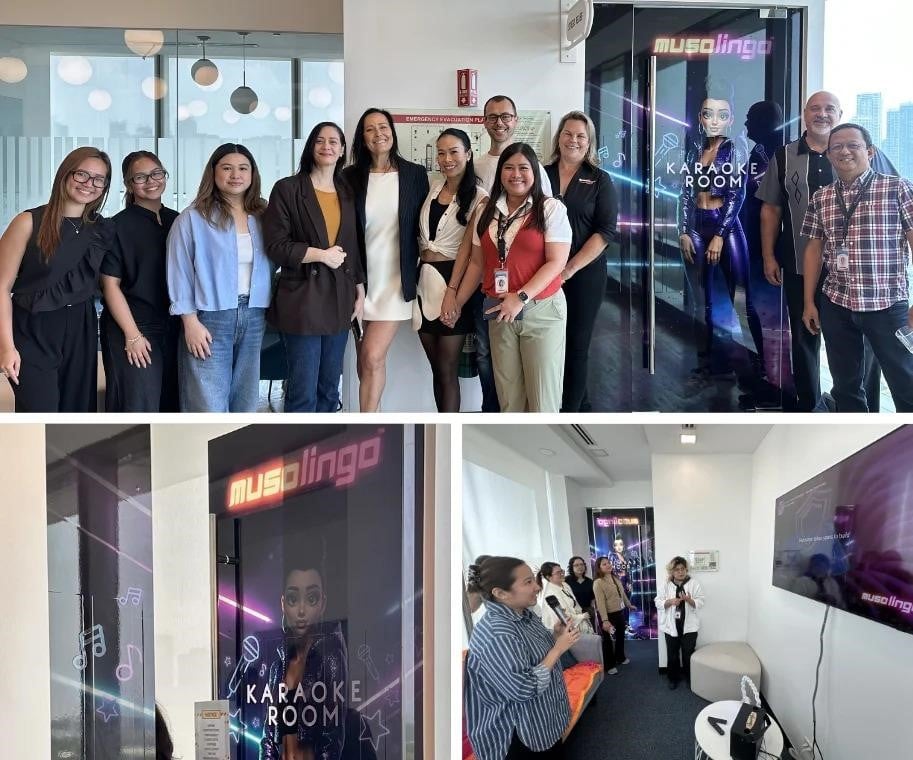
  • Genfinity Marks 10th Anniversary With Original Song as MusoLingo Collaboration Shows Measurable Gains in Staff Communication

    • “Anthem for the Future” celebrates a decade of leadership and culture, while a wider collaboration tests whether music can make workplace learning something employees experience rather than something they are simply told.

    Manila, Philippines, August 18, 2026, ZEX PR WIRE Genfinity is marking its 10th anniversary with an original song, “Anthem for the Future,” written to capture the story, spirit and values that have shaped the company over the past decade.

    The song was created for Genfinity founders Jeff Williams and Atty. Michelle Duenas in partnership with MusoLingo. It celebrates the milestone along with the leadership and sense of purpose that carried Genfinity from its early days to the company it is today.

    It is also one part of a wider collaboration between Genfinity and MusoLingo, which is testing a different approach to workplace learning: using music to turn information into an experience people can feel, remember and put to use. Early testing of Genfinity staff after the program has shown that the method can deliver measurable positive outcomes.

    At the center of the 10th Anniversary song is the story of Jeff and Michelle, two leaders whose plans for the company have always gone beyond business performance. Over ten years they built a culture where people understand what Genfinity stands for and why their work matters. The song gives that story an emotional voice.

    “Ten years is an incredible milestone, and hearing our journey captured in a song was something I wasn’t prepared for,” said Jeff Williams, Co-Founder and CEO of Genfinity. “It brought back the passion that started all of this, but it also reminded me that Genfinity belongs to the people who helped build it. What makes the wider work with MusoLingo so exciting is seeing that idea extend into how our people learn. When you create an experience people connect with emotionally, and then see real improvements in their skills, it reinforces our belief that investing in our people is fundamental to what we do.”

    For Michelle, the song says something conventional corporate messaging often misses: the connection between a company’s purpose, its people and the culture they build together.

    “What makes the song so special is that you don’t just hear the story of Genfinity, you feel it,” said Atty. Michelle Duenas, Co-Founder and Chief Strategy Officer of Genfinity. “Our values aren’t simply words we want people to remember. They are something we want people to experience and carry with them, even beyond their stay with us in Genfinity.

    “That is also what makes the learning results so interesting to us. We want our people not only to know more, but to have the confidence and capability to put that knowledge into practice. Seeing that development reflected in the post-testing gives us an early indication of what can happen when learning becomes more engaging, memorable and relevant to the real situations our people face.”

    From Communicating Values to Measurable Learning

    The anniversary project sits within a broader collaboration that looks at how music and experience can improve staff learning across areas that include English proficiency, data privacy and cybersecurity. Instead of relying on slides and standard training, the approach uses music to make information memorable and participatory.

    Now it is being measured. Genfinity staff were tested before and after taking part in MusoLingo learning, so both companies could see whether stronger engagement translates into better workplace capability. One participant’s communication effectiveness score rose from 47 to 83 within a few weeks, moving from Foundation to Professional level on the Global Clarity Certification Scale.

    For MusoLingo CEO Nicole Salisbury, that result is the point. “One team member’s score has moved from 47 to 83 on the Global Clarity Certification framework,” she said. “In practical terms, that’s the difference between a staff member who struggles to handle complex client interactions on their own, and one you can trust in high-stakes conversations. Engagement on its own isn’t enough. We want to know whether people are actually learning, whether they retain it, and whether it changes what they can do at work. Companies spend enormous amounts of time defining their values and building training, but so much of it still ends up as words on a screen. Music gives us another way in, and the post-testing shows the experience becomes knowledge people can use.”

    More Than an Anniversary Song

    The collaboration points to a new use for music at work: not entertainment, but a medium for learning, culture and shared experience. For the anniversary, that meant turning a decade of challenges, relationships and achievements into a piece of music the whole team could share. The wider work raises a question for any organization: what changes when employees experience information instead of just receiving it? MusoLingo’s answer is to pair that experience with before-and-after testing and measure the difference.

    “Anthem for the Future” looks back on Genfinity’s first ten years, but its message is about what comes next: recognizing the leadership of Jeff and Michelle, celebrating the people who built the company with them, and reinforcing the values that will carry it into the next decade.

    The Genfinity 10th anniversary song, “Anthem for the Future,” can be heard on YouTube: https://youtu.be/rp0zfgBhPL0

    About Genfinity

    Genfinity helps companies and individuals take advantage of the opportunities in the Philippine BPM support industry, acting as operationally focused support on the ground. Whether you’re looking to establish operations within the Philippines, identify the right BPM provider, enhance existing processes, explore opportunities supporting the Philippine digital transformation or need training resources to prepare the Philippines vast Allied Health, Banking and Finance, Legal, Technical or overall Customer Service oriented talent pool, our 20+ years of experience, partnerships and pioneering involvement in the industry are here to ensure your success.

    About MusoLingo

    MusoLingo uses the emotional and mnemonic power of music to create new ways for people to learn, connect and engage with ideas and knowledge. Its work with organizations explores how music can turn brand values, culture and workplace learning from information presented in two dimensions into experiences that are felt, remembered and applied.

  • Mark Siegwald Debunks 5 Myths About Property Damage Claims That Cost You Time and Money

    • Mark Siegwald, a Senior Consultant with Bower Building Consulting in Chicago, separates fact from fiction in restoration consulting.

    The Myths That Drive Up Costs

    Illinois, USA, Aug 18, 2026, ZEX PR WIRE  After more than 24 years working across insurance adjusting, restoration, and consulting, Mark Siegwald has heard nearly every misconception about property damage claims. These myths do more than just confuse property owners. They delay recoveries, inflate costs, and sometimes leave damage unresolved.

    “I’ve been the adjuster, I’ve worked in restoration, and now I consult. Each role teaches you something different. When you’ve seen a project from several perspectives, you stop looking for simple answers,” Siegwald said.

    He now works with insurance carriers to assess major commercial and institutional losses caused by fires, floods, hurricanes, and mold. His role includes damage assessment, estimate auditing, contractor negotiations, and restoration oversight. Through that work, he has identified five myths that consistently mislead property owners and stakeholders.

    Myth 1: All Restoration Companies Charge the Same Rates

    Why people believe it: Many assume restoration work is standardized and that pricing is largely the same across vendors.

    The fact: Pricing varies widely between contractors, and not all bids are based on the same scope of work or level of service. Some estimates include unnecessary steps or inflated unit costs.

    “A lot of our work involves reviewing estimates, auditing pricing, comparing bids, and making sure repairs are being handled correctly. You want to avoid situations where work is either excessive or incomplete. The goal is to get properties restored properly and efficiently,” Siegwald explained.

    Tip you can use today: Request itemized estimates from at least two vendors and compare line items, not just totals. Ask questions about any item you don’t understand.

    Myth 2: Bigger Estimates Mean Better Repairs

    Why people believe it: A higher bid can feel like a sign of thoroughness or quality.

    The fact: A larger estimate does not guarantee better work. It may include unnecessary services, duplicate tasks, or inflated pricing.

    “My goal isn’t to make a project bigger or smaller than necessary. It’s to make sure the repair plan accurately reflects the damage and supports a successful recovery,” said Siegwald.

    Tip you can use today: Ask the contractor to explain why each service is needed. If they can’t justify it clearly, question whether it belongs in the scope.

    Myth 3: You Should Always Accept the First Estimate

    Why people believe it: After a disaster, people want to move fast and may assume the first responder knows best.

    The fact: The first contractor on site is not always the best choice. Quick decisions without review can lead to overpayment or incomplete repairs.

    Siegwald noted, “We’re seeing more complexity in nearly every major claim. The costs are higher, timelines are tighter, and there are often multiple parties involved. Insurance carriers want experienced professionals who can independently assess the damage and make sure the scope of work actually matches what’s needed.”

    Tip you can use today: Take a day to review the estimate before signing. If time allows, get a second opinion from an independent consultant or another contractor.

    Myth 4: Insurance Adjusters and Restoration Contractors Always Agree

    Why people believe it: People often assume both parties are working toward the same goal and will naturally align.

    The fact: Adjusters and contractors have different incentives. Adjusters work to control costs. Contractors want to maximize scope. Independent consultants help bridge that gap.

    “You learn very quickly how important accuracy is. Every number matters. Every detail matters,” Siegwald said.

    Tip you can use today: If there is a dispute between your adjuster and contractor, ask for a third-party review of the damage and scope before moving forward.

    Myth 5: Once the Work Starts, Your Job Is Done

    Why people believe it: Property owners often think hiring a contractor means they can step back entirely.

    The fact: Oversight matters throughout the project. Without monitoring, work can drift from the agreed scope, timelines can slip, and quality can suffer.

    “We’re there to make sure things are done correctly. Not overdone. Not underdone. Just done the right way,” Siegwald explained.

    Tip you can use today: Schedule weekly check-ins with your contractor. Ask for progress photos and updates. Keep a copy of the original scope on hand to compare against what is actually being done.

    If You Only Remember One Thing

    Don’t assume every estimate is accurate or every contractor is equally qualified. Take time to compare bids, ask questions, and get independent input before committing to a scope of work. That simple step can save thousands of dollars and weeks of frustration.

    Take Action Today

    Share this list with a colleague, property manager, or friend who might face a claim in the future. Then pick one tip from this article and apply it the next time you review an estimate or hire a contractor. Small steps toward accountability lead to better outcomes.

    About Mark Siegwald

    Mark Siegwald is a Senior Consultant with Bower Building Consulting in Chicago. He has more than 24 years of experience in the insurance and restoration consulting industry, including roles as a claims adjuster with Kemper Insurance and Liberty Mutual and restoration leadership positions with Munters Corporation, Belfor USA, and Response Team 1. He holds multiple certifications including IICRC, ASD, Water Restoration Technician, AMRT, and AIC. His work focuses on damage assessment, estimate auditing, contractor negotiations, and restoration oversight for complex commercial and institutional losses.

  • Christopher Reep Says Experience Is Becoming One of Manufacturing’s Biggest Challenges

    • Operations leader and Lean expert Christopher Reep is encouraging manufacturers to make knowledge sharing part of everyday work before decades of practical experience are lost.

    Mooresville, North Carolina, Aug 18, 2026, ZEX PR WIRE  As manufacturers work to fill open positions and prepare the next generation of skilled workers, operations leader and author Christopher Reep believes another challenge deserves just as much attention: making sure decades of practical experience are passed on before they disappear.

    According to a joint report from Deloitte and The Manufacturing Institute, the manufacturing industry will need approximately 3.8 million new workers between 2024 and 2033, yet as many as 1.9 million of those jobs could go unfilled if current workforce trends continue. While much of the conversation has focused on hiring, Reep says companies should also be thinking about how they preserve the knowledge and practical experience of long-time employees.

    “People often think experience is something that can be replaced with a handbook or a training manual,” Reep says. “In reality, some of the most valuable lessons come from years of solving problems, working with different teams, and learning what works through experience.”

    Reep has spent nearly 30 years at Daimler Truck North America, where he serves as a Production Manager supporting the manufacturing of Freightliner and Western Star trucks. Throughout his career, he has worked with Lean management, Total Productive Maintenance (TPM), Hoshin Kanri, and structured problem-solving, always with a focus on helping teams improve how they work together.

    He believes one of the most effective ways to preserve workplace knowledge is to make learning part of everyday work instead of waiting until an experienced employee is preparing to leave.

    “The best organizations don’t wait until someone gives notice to start asking questions,” he says. “Knowledge should be shared every day through mentoring, coaching, and conversations on the production floor. When people learn from one another consistently, the organization becomes stronger.”

    Research continues to show that mentoring and knowledge sharing benefit both organizations and employees. Strong knowledge transfer can reduce costly mistakes, improve onboarding, and help businesses adapt more quickly as experienced workers move into new roles or leave the workforce.

    Reep says that the approach benefits everyone, not just newer employees.

    “When experienced employees share what they’ve learned, they aren’t just teaching a process,” he says. “They’re sharing judgment, perspective, and the small lessons that help people make better decisions when challenges come up.”

    He also believes leaders should spend more time creating opportunities for those conversations to happen naturally.

    “The people closest to the work often have the best ideas,” Reep says. “If leaders take the time to listen, they can solve problems faster and help others build confidence at the same time.”

    While technology continues to reshape manufacturing, Reep believes the human side of the industry remains just as important.

    “Technology can improve efficiency, but it can’t replace the experience people develop over years of doing the work,” he says. “The companies that will be strongest in the future are the ones that invest in both.”

    Reep encourages leaders to identify one process this week that depends heavily on one person’s experience and begin creating opportunities for that knowledge to be shared. Whether it’s through mentoring, documenting lessons learned, or simply creating more opportunities for experienced and newer employees to work together, he believes small actions today can have a lasting impact.

    “Knowledge doesn’t have to disappear when someone leaves,” Reep says. “If organizations make learning part of their daily culture, they’ll be better prepared for whatever challenges come next.”

    About Christopher Reep

    Christopher Reep is a Production Manager at Daimler Truck North America, where he has spent nearly 30 years supporting the manufacturing of Freightliner and Western Star trucks. He is a certified Lean expert, published author, and practitioner specializing in Lean management, Total Productive Maintenance (TPM), Hoshin Kanri, and structured problem-solving. Through his leadership and writing, Reep focuses on helping organizations turn complex operational concepts into practical strategies that improve performance, strengthen teams, and create cultures of continuous improvement. He is the author of Anchored Leadership and is currently writing several books focused on Lean management and operational excellence.

  • Dr. Robert Guarino Highlights the Critical Role of Pathology in Breast Care

    • Breast pathologist Dr. Robert Guarino explains what happens behind the scenes after a biopsy and why pathology is an important part of the broader breast care process.

    New York, USA, Aug 18, 2026, ZEX PR WIRE — For a patient undergoing a breast biopsy, the procedure itself may feel like the most visible part of the diagnostic process. Yet once the tissue has been collected, another important stage begins behind the scenes.

    That is where the pathologist enters the picture.

    Dr. Robert Guarino, a physician with specialized training and extensive experience in breast pathology, says understanding this part of the process can give patients a clearer picture of how multiple medical specialties contribute to breast care.

    “Serving my community by using my expertise and talents that I have developed over many years of training and clinical practice” has been a central motivation throughout his career, Guarino said.

    What Does a Breast Pathologist Do After a Biopsy?

    Pathology is the medical specialty focused on examining tissue and other specimens to understand disease. In breast pathology, that work can involve evaluating tissue collected during biopsies or surgical procedures and reporting findings that become part of the patient’s broader clinical picture.

    The work often happens outside the patient’s view. A patient may interact directly with a radiologist, surgeon, oncologist, nurse, or other member of the care team, yet never meet the pathologist who examines the tissue.

    That does not make pathology an isolated specialty. Guarino views it as part of a collaborative process in which professionals with different areas of expertise contribute information needed to understand breast disease.

    His own path toward the specialty included years of pathology training followed by advanced fellowship training at The Mount Sinai Hospital in New York. He completed surgical pathology training before undertaking a dedicated fellowship in breast pathology.

    For Guarino, the foundation of the work begins with what he calls a “very strong knowledge base.” He believes that knowledge must be accompanied by “a dedication and passion to your career duties” and a commitment to helping people dealing with breast disease achieve positive outcomes.

    Why Breast Pathology Requires Specialized Knowledge

    Breast disease can present pathologists with both common findings and unusual diagnostic questions. Developing expertise in the field therefore involves more than completing formal medical training. It also requires keeping up with an evolving body of medical literature and continually sharpening professional judgment.

    Guarino has contributed to scholarly work involving some of those less common questions.

    His academic record includes a case report on an acantholytic variant of metaplastic squamous cell carcinoma of the breast, described as a rare diagnostic entity with differential diagnostic challenges. He also contributed to work involving metastatic breast carcinoma identified in an endometrial polyp. Both were presented at the College of American Pathologists annual meeting in 2017.

    Earlier breast cancer research involving sentinel lymph nodes and axillary recurrence was presented at the 2012 USCAP annual meeting.

    For Guarino, cases and research like these reinforce a larger lesson: specialization does not eliminate the need to keep learning.

    “I read constantly the literature in breast pathology,” Guarino said, noting that he follows journals and new textbook editions and regularly participates in continuing medical education.

    Three Things Patients May Not Know About Breast Pathology

    1. Much of the pathologist’s work happens outside the patient’s view.
      After tissue is obtained, pathology becomes part of understanding what the specimen shows. The resulting findings can contribute to the information considered by the broader medical team.

    2. Breast care can involve several specialties working together.
      Pathology is one part of a larger clinical picture that may also involve breast imaging, surgery, medical oncology, radiation oncology, genetics, and nursing. Guarino’s experience has reinforced his belief in the importance of contributing specialized knowledge within that broader team.

    3. Becoming an expert does not mean the learning stops.
      Medical literature continues to develop, and unusual cases can present new questions. Guarino says regular reading, new textbooks, continuing medical education, research, and interaction with other physicians have all played roles in maintaining his knowledge.

    That commitment has also extended to education. Guarino has taught pathology to medical students and helped educate resident physicians. His academic experience includes a Clinical Assistant Professor appointment in pathology beginning in 2013.

    Teaching also connects Guarino to an important part of his own professional development. He identifies Dr. Jonathan Lara and Dr. Ira Bleiweiss as two mentors who influenced him in breast pathology. Years later, educating physicians earlier in their careers has enabled him to participate in the same knowledge transfer.

    Ultimately, Guarino measures the value of pathology not by how visible the work is, but by what it contributes to care.

    His definition of professional success is straightforward: “Good positive patient outcomes directly related to my service.”

    For patients, understanding what happens after a biopsy can also make a complicated medical process a little less mysterious. Behind the specimen and pathology report is a specialty built around careful observation, continued learning, and the provision of information that helps the broader care team understand disease.

    About Dr. Robert Guarino

    Dr. Robert Guarino is a physician specializing in anatomic and clinical pathology with advanced training in breast pathology. He earned his medical degree from UMDNJ-New Jersey Medical School after completing undergraduate studies in biological science at Rutgers University. He later completed pathology residency training and served as chief resident before pursuing fellowship training in surgical pathology and breast pathology at The Mount Sinai Hospital in New York City.

    Guarino’s professional interests include breast pathology, medical education, and the continuing study of developments in his field. His scholarly activities have included research, case reports, conference presentations, and teaching medical students and resident physicians. His professional record also includes membership in pathology and breast disease organizations, as well as an unrestricted New York State medical license.

  • Meet the Surgeon Behind the Billboard Turning Heads Across Long Island: Dr. David Pincus of Pincus Plastic Surgery

    New York, USA, Aug 17, 2026, ZEX PR WIRE  In New York, a new billboard has become the talk of Long Island, and the practice behind it is ready to introduce itself to a wider audience. Pincus Plastic Surgery, led by board-certified plastic surgeon Dr. David Pincus, has launched a bold outdoor advertising campaign that is drawing attention from commuters and residents throughout the area.

    A Fresh Introduction for a Familiar Name

    For patients who already know Dr. David Pincus, the billboard is a striking new way to see a familiar face. For those encountering the practice for the first time, it serves as an invitation to learn more about the surgeon and the philosophy that shapes his work. The campaign was designed to reflect the same qualities that define the practice itself: confidence, clarity, and a commitment to results that look natural rather than manufactured.

    Pincus Plastic Surgery is a patient-focused cosmetic surgery practice built around the belief that every individual deserves care tailored to their own goals. Based in New York, the practice has grown a loyal following among patients seeking both surgical and non-surgical aesthetic treatments delivered in a supportive, professional setting.

    The Philosophy Behind the Practice

    Dr. David Pincus has built his reputation on a simple but demanding standard: no two patients are alike, and no two treatment plans should be either. From the very first consultation, he takes time to understand what a patient hopes to achieve, factoring in their anatomy, lifestyle, and long-term expectations before recommending any course of action.

    This approach stands apart from a one-size-fits-all model that has become common in the industry. Dr. Pincus combines technical precision with an artistic sensibility, allowing him to enhance a patient’s appearance while preserving the individual features that make them who they are. It is this balance of skill and restraint that has become something of a signature for the practice.

    Patients often describe the consultation process as the moment they knew they were in the right hands. Rather than pushing a predetermined solution, Dr. Pincus listens first, explains second, and only then begins to shape a plan built around what the patient actually wants.

    A Comprehensive Range of Services

    Pincus Plastic Surgery offers a full spectrum of procedures designed to meet patients wherever they are in their aesthetic journey. The practice provides facial rejuvenation treatments, breast surgery, body contouring, and a variety of minimally invasive options for those seeking more subtle enhancements.

    Every recommendation at the practice begins with an honest conversation. Patients are given the information they need to make confident, informed decisions about their care, without pressure and without exaggerated promises. Education and transparency are treated as essential parts of the process, not afterthoughts.

    Realistic expectations remain central to every stage of the patient experience. Before any procedure is scheduled, patients understand what to expect, how recovery will unfold, and what results are genuinely achievable given their goals and circumstances.

    Building Trust One Patient at a Time

    Over the years, Pincus Plastic Surgery has earned a strong reputation throughout the region for its commitment to safety and attentive, individualized care. That reputation did not happen by accident. It reflects a consistent standard maintained across every consultation, every procedure, and every follow-up visit.

    Patients frequently mention the welcoming atmosphere they encounter from the moment they walk through the door. Clear communication and personal attention before, during, and after treatment have become hallmarks of the patient experience at the practice. Many patients return for additional procedures down the line, and many more arrive after being recommended by a friend or family member who trusted the practice with their own care.

    That kind of word-of-mouth growth speaks to something the new billboard campaign is now putting into words for a broader audience: trust that has been built patient by patient, year after year.

    Why the Billboard Now

    Cosmetic medicine continues to evolve, and so does the way practices connect with the communities they serve. The decision to launch a regional billboard campaign reflects the practice’s next step in reaching patients who may not yet know what sets Pincus Plastic Surgery apart.

    Dr. David Pincus remains dedicated to high standards of care while embracing proven techniques that support excellent outcomes. Rather than chasing trends, the practice focuses on approaches with a track record of safety and consistency, applied with the judgment that comes from years of hands-on experience.

    The campaign was never meant to promise dramatic transformation for its own sake. Instead, it was designed to introduce the surgeon behind the results: someone patients across Long Island are now recognizing not just from a billboard, but from the care they or someone they know has personally experienced.

    A Commitment That Goes Beyond Advertising

    At its core, the message behind the billboard is the same message the practice has carried since it opened its doors. Pincus Plastic Surgery exists to help patients feel confident in their appearance without compromising their natural character. Every consultation, every treatment plan, and every follow-up conversation is shaped by that same goal.

    Through experience, compassion, and a personalized approach, Dr. David Pincus continues to provide aesthetic care that reflects both medical excellence and a genuine commitment to the people who choose the practice. The billboard may be new, but the values behind it are not; they are the same ones that have guided the practice from the beginning.

    As the campaign continues to roll out across Long Island, Pincus Plastic Surgery invites the community to learn more about Dr. David Pincus, the philosophy that drives his work, and the comprehensive care available to anyone considering their next step in cosmetic surgery.

    About Pincus Plastic Surgery

    Pincus Plastic Surgery is a patient-focused cosmetic surgery practice based in New York, led by board-certified plastic surgeon Dr. David Pincus. The practice offers a comprehensive range of surgical and non-surgical aesthetic treatments, including facial rejuvenation, breast surgery, body contouring, and minimally invasive procedures. Known for its individualized approach, commitment to safety, and dedication to natural-looking results, Pincus Plastic Surgery continues to serve patients throughout the region with a focus on trust, transparency, and long-term patient satisfaction.

  • Vincere Trading Expands Transparency Initiative to Help Investors Evaluate Algorithmic Investment Strategies

    Chicago, Illinois, Aug 17, 2026, ZEX PR WIRE  Vincere Trading, a fintech company focused on making institutional grade algorithmic investing accessible to individual investors, announced an expansion of its transparency initiative aimed at helping investors evaluate algorithmic strategies more effectively. The initiative centers on due diligence, methodology, and performance evaluation, giving investors clearer tools to assess a platform before committing capital.

    This expansion builds on a principle Vincere Trading has emphasized since its founding: informed investors make better long term decisions than those relying on marketing claims alone.

    Why This Initiative Matters Now

    Algorithmic investing has moved well beyond institutional trading desks. More individual investors are exploring systematic strategies, yet many still lack a clear framework for comparing one platform against another.

    Vincere Trading has observed this gap directly through the questions it regularly receives from prospective clients. Many investors know they want a rules based approach but aren’t sure how to evaluate whether a given strategy is actually disciplined or simply marketed that way.

    This expanded initiative is designed to close that gap. Rather than assuming investors already understand how to assess an algorithmic platform, Vincere Trading is building out resources meant to walk them through the process directly.

    A Closer Look at the Transparency Initiative

    The initiative focuses on four core areas: due diligence, methodology, performance evaluation, and informed decision making. Each area addresses a different part of the evaluation process investors typically struggle with when comparing algorithmic platforms.

    On due diligence, the company is expanding materials that explain what questions investors should ask before selecting a platform, including how strategies are tested and how risk is managed. On methodology, Vincere Trading is providing clearer explanations of how its own systems are developed, monitored, and refined over time.

    Performance evaluation receives particular attention. The company wants investors to understand how to read performance data critically, rather than focusing solely on short term returns that may not reflect a strategy’s long term reliability.

    Helping Investors Ask Better Questions

    A central goal of this initiative is encouraging investors to ask sharper questions before selecting an algorithmic investment platform. Vincere Trading believes many investors default to comparing headline returns without understanding what produced them.

    The company is publishing guidance meant to shift that pattern. This includes questions investors can ask about testing history, how a strategy performs across different market conditions, and what happens when conditions shift unexpectedly.

    Vincere Trading has structured this guidance to be accessible rather than technical for its own sake. The goal isn’t to turn investors into quantitative analysts, but to give them a working vocabulary for evaluating claims made by any platform, not just their own.

    Methodology Takes Center Stage

    Vincere Trading has long argued that methodology matters more than any single performance figure, and this initiative reinforces that position. The company is expanding explanations of how its algorithms are built, tested, and adjusted as markets evolve.

    This includes clearer descriptions of the research process behind strategy development, along with more detail on how ongoing evaluation informs when and why adjustments are made. The company believes investors who understand this process are better equipped to judge whether a platform’s claims hold up under scrutiny.

    Rather than treating methodology as proprietary information to withhold, Vincere Trading continues to treat it as something worth explaining clearly, even where that means acknowledging limitations alongside strengths.

    Performance Evaluation Beyond Headline Numbers

    One recurring theme in this initiative is teaching investors to look past headline performance figures. A strong return over a short period says little about how a strategy might behave under different conditions.

    Vincere Trading is expanding educational content that addresses this directly, walking through how to evaluate consistency over time, how to interpret drawdowns, and why a longer track record generally carries more weight than a short one. The company frames this as a matter of realistic expectations rather than skepticism for its own sake.

    This approach reflects a broader philosophy at Vincere Trading: markets fluctuate, and no system performs identically across every environment. Investors who understand that going in tend to make steadier decisions than those expecting uninterrupted gains.

    Supporting Informed Decision Making

    The final piece of this initiative ties the previous three together. Due diligence, methodology, and performance evaluation are only useful if they lead to better decision making, and Vincere Trading has structured its expanded resources with that outcome in mind.

    The company is organizing its educational materials to walk investors through a logical sequence: understanding what questions to ask, learning how to interpret a platform’s methodology, evaluating performance data critically, and then applying that understanding to an actual decision.

    Vincere Trading believes this structured approach reduces the likelihood of investors making decisions based on incomplete information or persuasive marketing rather than substance.

    A Long Term Commitment to Investor Education

    This transparency initiative is not a one time campaign for Vincere Trading. The company has consistently paired its investment offerings with educational content, and this expansion reflects a deeper investment in that ongoing effort rather than a shift in direction. Looking ahead, the company plans to continue building out these resources as investor questions evolve and as the algorithmic investing space continues to grow.

    Looking Ahead

    As more investors explore algorithmic strategies, Vincere Trading says the need for clear, accessible education will only increase. The company remains focused on giving investors the tools to evaluate any platform thoughtfully, including its own, rather than asking for trust without explanation.

    Vincere Trading has positioned this expanded transparency initiative as a natural extension of principles it has held since its founding: that lasting confidence comes from understanding, not persuasion, and that informed investors ultimately make for a healthier, more sustainable industry.

    About Vincere Trading

    Vincere Trading is a fintech company dedicated to making institutional grade algorithmic investing more accessible to individual investors through disciplined, rules based strategies. Built on quantitative research, continuous evaluation, and systematic execution, the company develops diversified algorithmic portfolios designed to help investors navigate changing market conditions with greater consistency, emphasizing objective, data supported processes over speculation or emotional decision making. The firm’s investment philosophy draws from methodologies commonly used by institutional asset managers, adapted for individual investors, with transparency, due diligence, and investor education central to every stage of the process. Looking ahead, Vincere Trading plans to continue expanding its educational and research initiatives while working toward a long term vision that includes building a hedge fund founded on disciplined execution and institutional quality portfolio management.

  • Vincere Portfolios Expands Research Initiative on Diversified Algorithmic Portfolio Management

    Chicago, Illinois, Aug 17, 2026, ZEX PR WIRE  Vincere Portfolios, a fintech company focused on making institutional grade algorithmic investing accessible to individual investors, announced an expansion of its ongoing research initiative centered on diversified algorithmic portfolio management. The move reflects the company’s continued commitment to strengthening its systematic strategies as markets shift and investor expectations evolve alongside them.

    This expansion builds directly on the foundation Vincere Portfolios has maintained since its founding: disciplined, rules based investing supported by data rather than speculation. As the firm grows, so does its research capacity, and this next phase is designed to keep pace with that growth.

    Why the Expansion Matters Now

    Markets rarely stay predictable for long. Strategies that perform well in one environment can struggle in another, which is part of why Vincere Portfolios treats research as an ongoing responsibility rather than a one time exercise.

    The company’s expanded initiative is meant to address that reality directly. Rather than adjusting strategies reactively after conditions change, Vincere Portfolios has committed additional resources toward testing, evaluating, and refining its diversified algorithmic portfolios on a continuous basis.

    This approach is consistent with how the firm has always operated. Ongoing research, testing, and performance evaluation remain central to every stage of strategy development, allowing the company to refine its algorithms as markets evolve rather than waiting for underperformance to force a reaction.

    A Closer Look at the Research Initiative

    The expanded initiative focuses on several areas at once. Vincere Portfolios is dedicating more attention to how its diversified strategies interact across different asset classes and market regimes, looking for ways to strengthen consistency without sacrificing the discipline that defines its approach.

    Part of this work involves stress testing existing algorithms against a wider range of historical and simulated conditions. Another part involves exploring how new data sources and analytical methods might sharpen the firm’s existing models without compromising their rules based foundation.

    None of this represents a departure from how Vincere Portfolios has always approached strategy development. It is, instead, a deeper commitment to the same principles the company was built on: quantitative research, continuous evaluation, and systematic execution applied at every stage.

    Diversification Remains a Core Principle

    Diversification sits at the center of this expanded research effort. Vincere Portfolios has long emphasized building diversified algorithmic portfolios designed to help investors navigate changing market conditions with more consistency than concentrated, single strategy approaches typically allow.

    The company’s research team is now spending additional time examining how different algorithmic strategies perform relative to one another, looking for combinations that may reduce unnecessary overlap while preserving the systematic discipline investors expect. The goal is not simply adding more strategies for the sake of variety, but strengthening how existing and future strategies work together.

    This distinction matters. Diversification without a clear rationale can create complexity without adding real value. Vincere Portfolios says its research process is built to avoid that trap by testing every addition against clear, measurable criteria before it becomes part of an investor facing portfolio.

    Transparency Remains Central to the Process

    As Vincere Portfolios expands its research capabilities, the company says transparency will remain just as important as the research itself. Many Vincere Portfolios reviews highlight the firm’s focus on due diligence, realistic expectations, and clear communication about how strategies actually work.

    That commitment extends to this latest initiative. The company plans to continue sharing information about how its systems are developed, monitored, and refined, rather than treating research as something that happens quietly behind closed doors. Investors researching Vincere Portfolios reviews often ask how strategies are tested and evaluated over time; this expanded effort is a direct response to those questions, not just an internal upgrade.

    Education Continues Alongside Research

    Vincere Portfolios has consistently paired its research efforts with investor education, and this expansion is no exception. The company regularly shares information about systematic investing, algorithmic portfolio management, and disciplined risk management to help investors make more informed decisions.

    As the research initiative moves forward, the company plans to continue that educational effort, explaining not just what changes are being made, but why. By maintaining open communication throughout this process, Vincere Portfolios aims to reinforce the kind of confidence that comes from understanding, rather than persuasion.

    A Long Term Commitment, Not a One Time Announcement

    Vincere Portfolios has been clear that this research expansion is not a short term initiative tied to a single market event. It reflects a longer term pattern the company has followed since its founding, one built around continuous refinement rather than static strategy sets, and this initiative is described internally as a meaningful step toward the firm’s broader long term vision.

    Looking Ahead

    As the volume of Vincere Portfolios reviews continues to grow alongside investor interest, the firm says its research priorities will remain unchanged in substance, even as the scope of that research expands. Consistency, accountability, and a structured approach to markets remain at the center of the company’s mission, and this expanded initiative is positioned as evidence of that commitment in practice.

    What This Means for Current and Prospective Investors

    For investors already working with Vincere Portfolios, the expanded research initiative is not expected to disrupt existing strategies overnight. Instead, the company describes it as a gradual process, one where refinements are introduced only after meeting the same rigorous testing standards applied throughout the firm’s methodology.

    For prospective investors, the announcement offers a clearer picture of how Vincere Portfolios approaches long term development. Rather than presenting a finished product and leaving it unchanged, the company treats its algorithmic portfolios as something that improves over time through deliberate, well documented work, evaluated against long term consistency and disciplined portfolio construction rather than short term performance alone.

    About Vincere Portfolios

    Vincere Portfolios is a fintech company dedicated to making institutional grade algorithmic investing more accessible to individual investors through disciplined, rules based strategies. Built on quantitative research, continuous evaluation, and systematic execution, the company develops diversified algorithmic portfolios designed to help investors navigate changing market conditions with greater consistency, emphasizing objective, data supported processes over speculation or emotional decision making. The firm’s investment philosophy draws from methodologies commonly used by institutional asset managers, adapted for individual investors, with ongoing research and evaluation guiding every stage of strategy development. Looking ahead, Vincere Portfolios plans to continue expanding its research capabilities while working toward a long term vision that includes building a hedge fund founded on disciplined execution and institutional quality portfolio management.

  • Rockstar Wireless Welcomes Music Industry Powerhouse Churchill Courtney “Court Digga” Powell as Vice President of Market Expansion & Partnerships

    Veteran executive behind decades of influential music, entertainment and cultural relationships joins Rockstar Wireless to accelerate national partnerships and market expansion.

    ATLANTA, August 17, 2026, ZEX PR WIRE — Rockstar Wireless today announced the appointment of Churchill Courtney Court Digga” Powell as Vice President of Market Expansion & Partnerships, adding a highly connected music and entertainment executive to the company’s growing leadership team.

    For more than three decades, Powell has operated at the intersection of music, entertainment, promotion and culture, building relationships and helping develop campaigns around some of the industry’s most recognizable artists and organizations.

    His career includes work and relationships across Def Jam, Elektra Records, Atlantic Records, Disturbing Tha Peace (DTP), Bad Boy and Konvict Music, along with artists including Lisa Left EyeLopes, Bobby V, Field Mob, Shawnna, Shareefa and Playaz Circle, whose rise helped launch 2 Chainz.

    Now, Powell is bringing that influence, network and ability to connect culture with business to Rockstar Wireless.

    Court Digga has spent decades helping move culture. Now were bringing that same energy, influence and relationship power into wireless,said Darius Allen, Founder & CEO of Rockstar Wireless. Were building more than another phone company. Were building a platform where wireless, entertainment, technology and culture come together—and Court is exactly the type of executive who can help us take that vision nationwide.

    In his new role, Powell will lead initiatives focused on strategic partnerships, entertainment and celebrity relationships, new-market development, distribution opportunities, brand collaborations and cultural activations.

    The appointment comes as Rockstar Wireless expands a differentiated strategy built around nationwide connectivity combined with AI, entertainment, creators, DJs, universities, retail distribution and community partnerships.

    Ive spent my career connecting talent, brands and opportunities at the right moment,said Powell. Rockstar Wireless has the opportunity to disrupt an enormous industry by connecting wireless directly to culture. Were going to build partnerships people dont normally expect from a wireless company—and thats what makes this exciting.

    Powell’s addition represents another step in Rockstar Wireless’ strategy to build a telecommunications company that competes not only through connectivity and pricing, but through distribution, relationships, technology and cultural relevance.


    About Rockstar Wireless

    Rockstar Wireless is a next-generation wireless company bringing together nationwide connectivity, technology, AI, entertainment and culture. Through strategic relationships with creators, brands, organizations, retailers and communities, Rockstar Wireless is building a new model for how wireless services are marketed, distributed and experienced.