Boris Arciniegas, Founder and CEO of Business IT, takes the spotlight as the company is recognized for its role in shaping how organizations adopt and scale artificial intelligence
Global Publicist 24, a leading digital business magazine, has released its highly anticipated edition, “Top 3 AI Companies Disrupting and Redefining the Future in 2026.” Business IT has been featured on the cover, with Boris Arciniegas, Founder and CEO, recognized for his leadership in turning artificial intelligence into real, measurable value for businesses.
The edition highlights a select group of companies that are not simply adopting AI but are actively changing how industries operate, compete, and grow. From a rigorous evaluation of innovation, market impact, leadership vision, and client outcomes, Business IT emerged as a standout and earned the cover position.
Leadership That Turns Vision Into Results
Under the guidance of Boris Arciniegas, Business IT has built a reputation for helping organizations move past AI experimentation and into practical, scalable deployment. His approach centers on a simple belief: technology delivers its greatest value when it is aligned with business goals, people, and processes. The cover story explores his journey as a founder, the principles that shaped the company’s growth, and his outlook on where intelligent technology is heading next.
“Being featured on the cover of Global Publicist 24 is a proud moment for our entire team,” said Boris Arciniegas, Founder and CEO ofBusiness IT. “This recognition reflects the dedication of our people and the trust of our clients. Our mission has always been to make AI accessible, secure, and genuinely useful for businesses. We are only getting started.”
Why Business IT Stands Out in 2026
The feature examines the key strengths that set Business IT apart in a crowded AI landscape:
Business-first AI strategy that connects every solution to clear operational and financial outcomes
End-to-end expertise across consulting, implementation, and ongoing optimization
A strong focus on security and responsible innovation, giving clients confidence as they scale
Client-centric partnerships built on long-term value rather than one-time projects
A Celebration of the Companies Shaping Tomorrow
“This edition was one of our most anticipated of the year, and the response from the business community has been remarkable,” said the Editorial Team at Global Publicist 24. “Business IT represents exactly what we wanted to celebrate: a company with a clear vision, a leader who understands both technology and business, and a track record of creating real impact. Boris Arciniegas is a leader worth watching.”
The full edition, including the exclusive cover story on Business IT and Boris Arciniegas, is now available to read on the Global Publicist 24 website.
About Business IT
Business IT is a technology company that helps organizations harness the power of artificial intelligence and digital innovation to improve efficiency, strengthen security, and accelerate growth. Led by Founder and CEO Boris Arciniegas, the company partners with businesses to design and deliver solutions that create lasting value
Readers can access the full story of Business IT here: https://www.globalpublicist24.com/business-it-if-technology-is-available-why-do-business-results-still-lag/
To get your digital copy or learn more about the featured leaders, visit: https://www.globalpublicist24.com/magazines
About Global Publicist 24
Global Publicist 24 is a digital business magazine that showcases influential leaders, innovative companies, and emerging trends across industries. Through cover stories, in-depth features, and executive profiles, the magazine shares inspiring success stories with a global audience of business professionals and decision-makers.
Media Contact
Global Publicist 24 Email: info@globalpublicist24.com Call on: (+1) 302 956 1687 www.globalpublicist24.com
The ninth Kazakhstan Global Investment Roundtable (KGIR 2026) will take place in Shymkent on October 22, 2026. The forum will bring together more than 500 investors and business representatives from 40 countries.
The forum’s main theme is “From Stability to Growth: Kazakhstan’s New Investment Cycle.”
The agenda will focus on attracting high-quality investment and technology, strengthening strategic partnerships, and improving the investment climate.
Panel sessions will explore the development of the digital economy and high-tech manufacturing, as well as opportunities to harness Kazakhstan’s transit potential to establish new production facilities and logistics hubs.
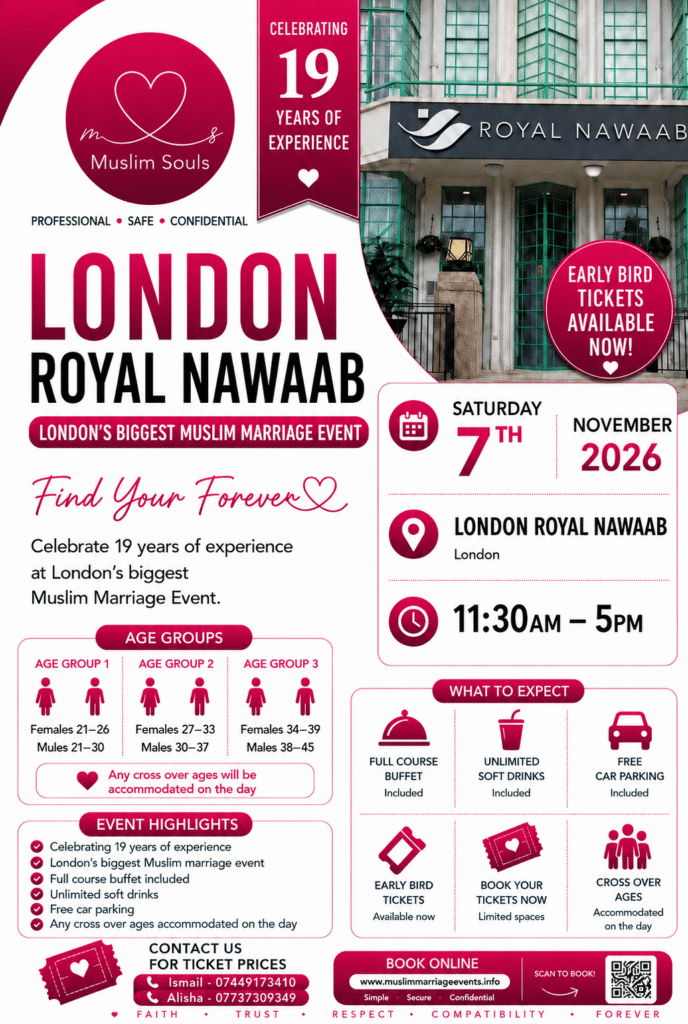
BIRMINGHAM, United Kingdom, 13 October 2026 – Muslim Marriage Events, a UK organiser of structured, in-person matrimonial gatherings for British Muslims, today announced its winter 2026 programme of four events in Birmingham and London. The schedule includes two specialist events for graduates and medical professionals on 18 October, a three-age-group event in west London on 7 November, and a Birmingham event on 6 December that adds a dedicated category for divorced men and women.
The programme places document checks, age-banded groups and on-site supervision at the centre of each event. At the graduate and professional gathering, attendees are required to show a graduation certificate, work identification and a British passport, so participants know the backgrounds of the people they meet are verified before the first conversation starts.
“People tell us the hardest part of finding a spouse is not meeting someone. It is trusting what they are told,” said a spokesperson for Muslim Marriage Events. “This winter we have built every event around that. Credentials are checked at the door, rooms are grouped by age and background, and in Birmingham we are giving divorcees a category of their own instead of asking them to fit into a general room.”
Key Features of the Winter Programme
Verified credentials. At the 18 October graduate and professional event, qualifications and employment are checked against documents rather than taken on trust.
Separate events for separate audiences. Age-banded general events run alongside gatherings reserved for degree-educated professionals and for doctors and dentists. Places are capped in each category at the specialist events to keep groups at a manageable size.
A dedicated divorcee category. The 6 December Birmingham event introduces a group specifically for divorced men and women. Remarriage after divorce is common, and a separate group means divorcees no longer have to attend a general event to meet others in the same position.
Advisors and volunteers will be present at every event to explain the format and help conversations get started, which the organiser says is especially useful for first-time attendees.
The Birmingham Exclusive Degree Educated Professionals Event will take place at Tipu Sultan Restaurant, 43 Alcester Road, Moseley, Birmingham, B13 8AA, from 11:30am to 4:30pm. It is open to British Muslim graduates seeking a partner with a comparable educational and career background.
Places are split into two age groups. Group 1 is for women aged 21 to 26 and men aged 22 to 32, while Group 2 is for women aged 27 to 33 and men aged 33 to 42.
Attendees must present a graduation certificate, work ID and British passport at registration.
18 October, Birmingham: Doctors and Dentists Event
On the same day and at the same venue, the Doctors & Dentists Muslim Marriage Event will bring together British Muslim medical and dental professionals. The organiser said the event was created for people whose long training, shift patterns and rotas leave little room for conventional introductions, and who often prefer a partner who understands those pressures.
The event is divided into two age groups: women aged 21 to 26 with men aged 22 to 30, and women aged 27 to 33 with men aged 30 to 42.
Places in each category are limited. A three-course meal, soft drinks and tea are included.
7 November, London: Three Age Groups in Perivale
The Muslim Marriage Events London gathering will be held at Royal Nawaab, 7 Hoover Building, Western Avenue, Perivale, London, UB6 8DB, from 11:30am to 5:00pm, the longest session of the season.
Attendees will be placed in one of three age groups. The first brings together women aged 21 to 26 and men aged 21 to 30, the second women aged 27 to 33 and men aged 30 to 37, and the third women aged 34 to 39 and men aged 38 to 45.
The event is open to British passport holders who are single, fully divorced or widowed and seeking a marriage partner.
6 December, Birmingham: New Divorcee Category
The season closes with Muslim Marriage Events Birmingham at Tipu Sultan, 43 Alcester Road, Moseley, Birmingham, B13 8AA, from 11:30am to 4:30pm. The divorcee group will run alongside two age-banded groups.
In the age-banded groups, women aged 21 to 26 will meet men aged 21 to 32, and women aged 27 to 33 will meet men aged 30 to 38.
Each event follows a set format. Attendees rotate between tables, share a meal, and then have time for one-to-one conversations with anyone they would like to speak with further. Advisors and volunteers stay available throughout the day.
Meeting in Person, With Checks in Place
Muslim Marriage Events said the winter format is aimed at people who want more certainty than an online profile can give. A face-to-face meeting lets attendees judge manner and sincerity within minutes, and with documents checked and organisers present, individuals and their families get a more accountable route to a first introduction.
Eligibility and Event Details
Age brackets, identification requirements and eligibility differ by event. Full details, including arrival instructions and current availability, are published on each event page on the Muslim Marriage Events website.
About Muslim Marriage Events
Muslim Marriage Events organises structured, in-person matrimonial gatherings across the UK for Muslims who are seriously seeking a spouse. Its calendar includes age-group events and specialist gatherings based on profession and personal circumstances, all professionally managed and supervised.
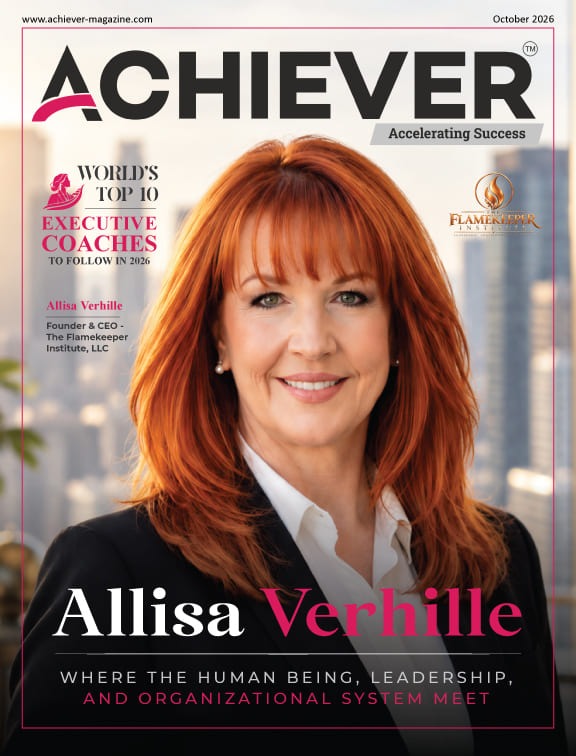
Celebrating visionary executive coaches who are inspiring leadership, empowering professionals, and shaping the future of organizational growth.
LEWES, Del. – Achiever Magazine proudly presents its special edition, “World’s Top 10 Executive Coaches to Follow in 2026,” recognizing exceptional executive coaches who are making a meaningful impact on leadership development, professional growth, and organizational success.
The edition features Allisa Verhille, Founder and CEO of The Flamekeeper Institute, LLC, as its cover story. Her inclusion highlights the importance of executive coaching in helping leaders navigate challenges, strengthen their leadership capabilities, and create meaningful progress in their professional journeys.
In today’s rapidly evolving business environment, executive coaching has become an important resource for leaders seeking greater clarity, stronger decision-making skills, and sustainable organizational growth. Effective coaching encourages individuals to recognize their potential, develop self-awareness, and approach leadership challenges with confidence and purpose.
Through this special edition, Achiever Magazine celebrates executive coaches who are contributing to the evolution of modern leadership. The featured professionals represent the growing significance of personalized coaching, leadership development, and people-centered approaches to professional excellence.
As the Founder and CEO of The Flamekeeper Institute, LLC, Allisa Verhille takes the spotlight in this edition, bringing attention to the role of executive coaching in supporting leadership growth and professional transformation. Her cover feature explores her leadership journey, professional philosophy, and perspective on the evolving demands of executive leadership.
The edition also highlights the broader influence of executive coaches in helping organizations build stronger leadership cultures, encourage accountability, and prepare professionals to meet the demands of an increasingly complex business landscape.
With “World’s Top 10 Executive Coaches to Follow in 2026,”Achiever Magazine continues its commitment to recognizing influential professionals whose work and leadership perspectives offer valuable insights to the global business community.
This special edition serves as a source of inspiration for business leaders, entrepreneurs, executives, and aspiring professionals looking to learn from experienced coaches and discover new perspectives on leadership and personal development.
Achiever Magazine is a business and leadership publication dedicated to showcasing inspiring leaders, entrepreneurs, executives, and professionals who are making a difference in their respective fields. Through its editorial features and special editions, the magazine shares leadership journeys, professional insights, and stories of achievement that inspire readers around the world.
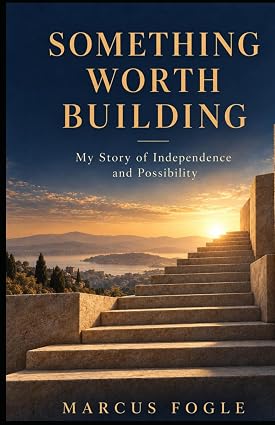
SAN LORENZO, Calif. — October 12, 2026 — Author and entrepreneur Marcus Fogle announces the completion of his Something Worth Building trilogy with Part Three: Understanding of Only a World I Know & Knew, joining Something Worth Building: My Story of Independence and Possibility and Part Two: The Roads I Have Traveled — My Journey.
The trilogy tells Fogle’s story in three parts: Part One, a memoir about perseverance, independence, and building a business through life’s challenges; Part Two, the step-by-step journey from a 2002 vocational classroom through the journeyman mechanic years to founding his own business; and now Part Three, which goes back to where it all started — the childhood-to-adulthood years.
Part Three: Understanding of Only a World I Know & Knew covers Fogle’s early life — from Florida to California, through school years marked by loss and hard lessons, leaving home at seventeen, becoming a father, seven years behind the wall, and the college comeback that made him a mechanic. Told straight, in his own words, it closes with his personal sign-off: “I am a learner. I approve this message.”
Established in 2014, Marcus JP Family Renew & Reuse Solutions is Fogle’s eco-friendly business focused on recycling, renewing, and reusing materials. His experience forms the foundation of a story about adapting to change, learning through experience, and creating something sustainable through determination and honest work.
Rather than presenting a story of perfection, Something Worth Building explores the value of starting over, making practical decisions, and developing independence one step at a time. The trilogy is intended for readers who have faced setbacks, reconsidered their direction, or wanted to build something of their own.
Parts One and Two are available in paperback for $14.99 and Kindle eBook for $4.99 through Amazon. Manuscript editions of all three books are available for $30 each through the author’s website. Part Three’s Amazon editions are in production.
Fogle hopes his story will encourage readers to keep moving forward, make the most of available opportunities, and recognize that meaningful progress often comes from persistence and a willingness to learn.
About Marcus Fogle
Marcus Fogle is the founder of Marcus JP Family Renew & Reuse Solutions, an eco-friendly recycling and reuse business serving San Lorenzo, California. His work and writing reflect his commitment to practical problem-solving, resourcefulness, and independence.
Book Information
Title: Something Worth Building: My Story of Independence and Possibility
October 11, 2026 – Construction safety professional and educator Taiujuan L. Burches is introducing readers to two books, CHST: Beyond the Answer and Breaking Into Construction Safety: The Field-to-Career Blueprint. The books bring his educational publishing work together with the professional development focus of Aglobal Training Academy. Both titles are available as digital PDFs for $19.99 each through his Payhip bookstore.
The announcement gives readers two starting points: one for exploring a safety career and another for studying construction concepts in preparation for the CHST examination. Readers can review each product page, choose the title that fits their goals, and purchase directly through the links included with this release. The academy website provides a separate destination for people interested in training.
About Taiujuan Burches
Burches brings approximately 18 years of construction experience and more than 15 years of safety leadership to his work. His background includes construction and data center safety management. He earned a Bachelor of Science in Occupational Safety and Health from Columbia Southern University with a 3.93 GPA and holds the Graduate Safety Practitioner designation.
Learning through Aglobal Training Academy
The academy focuses on construction safety and professional development. Its programs include NCCER Field Safety, Safety Technology, Core, and Project Management, alongside other safety-focused courses. Readers can visit the school website to explore training and request current enrollment details. Book purchases and training enrollment are separate.
Rabbi and Animal Chaplain Mikhail Salita honors rare Jerusalem-origin cats as “Heirs to King Solomon’s Feline Throne”
BROOKLYN, NY — A golden cat on an ancient king’s throne has inspired a new promise of care for a rare breed from Jerusalem. Rabbi and Animal Chaplain Mikhail Salita has announced the establishment of the Royal House of Kanaani, a cultural and preservation initiative proclaiming Kanaani cats “Heirs to King Solomon’s Feline Throne.”
The initiative is led by the World Kanaani Organization, affiliated with the Brooklyn-based Salita Foundation. It brings together Jewish tradition, the breed’s Jerusalem heritage, and a commitment to helping these cats survive for future generations.
The Kanaani breed was developed in Jerusalem by artist and Holocaust survivor Doris Pollatschek. Her contribution stands at the beginning of its modern story, and honoring her work is central to the Royal House’s mission.
“Doris Pollatschek gave this breed a beginning,” Salita said. “Our responsibility is to help ensure that its story continues.”
The Royal House takes its inspiration from Jewish accounts of King Solomon’s throne. In Midrashic literature—Jewish writings that interpret and expand upon sacred texts—a golden cat faces a golden rooster on the throne’s fifth step. For Salita, the cat’s place on the throne of a king remembered for his wisdom carries a meaning worth bringing into the present.
“I see the golden cat on Solomon’s throne as an invitation to carry a feline royal tradition forward,” Salita said. “The Kanaani’s Jerusalem roots give that symbolism a living expression today. As an ordained rabbi and ordained animal chaplain, I feel a duty to honor that connection through care. That is why we are establishing the Royal House of Kanaani and proclaiming these cats Heirs to King Solomon’s Feline Throne.”
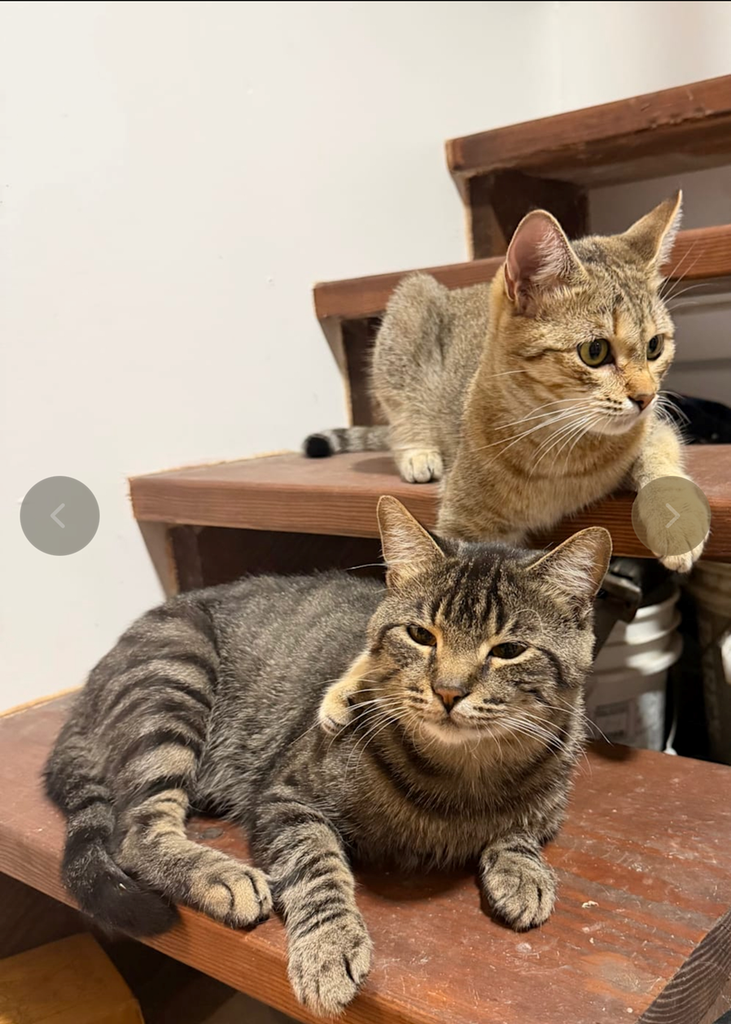
The Royal Couple of the Royal House of Kanaani—His Majesty King Arbuz and Her Majesty Queen Haifa—Heirs to King Solomon’s Feline Throne
Salita understands this work as part of a long Jewish tradition of responsibility toward animals. Bereshit (Genesis), the opening book of the Torah, describes animals and birds being created before humankind. Adam names the animals. Noah preserves their lives. Moses and David tend flocks before becoming leaders. Jewish tradition also remembers Solomon’s understanding of the language of animals.
“These stories have stayed with us across generations,” Salita said. “They teach us to notice the lives entrusted to us. In my own life, that responsibility has become very close and very personal: these are cats I feed, hold, worry about, and care for every day.”
The initiative also draws on a teaching in the Talmud, a central collection of Jewish wisdom and rabbinic discussion, that people can learn modesty from the cat. Salita finds a particular resonance between that teaching and the Kanaani’s little-known history.
“To me, the Kanaani is the most modest of all cat breeds. It has remained largely overlooked by breeders, and I believe that lack of attention has contributed to its extraordinary rarity. Today, seven documented Kanaani cats are in my care,” he said.
“I see their modesty as a mark of royalty. They do not need popularity to possess dignity. But being overlooked must not become a sentence of disappearance. When I say ‘modesty is royalty,’ I mean that their quiet dignity deserves to be recognized—and their future deserves our care.”
His Highness Rabbi Mikhail Salita—Ordained Rabbi and Ordained Animal Chaplain—Royal Custodian of the Royal House of Kanaani—Heirs to King Solomon’s Feline Throne
The World Kanaani Organization welcomes cultural partnerships, institutional support, and sponsorships to advance breed preservation and educational projects exploring Jewish heritage and the human–animal bond.
“The royal titles are a promise we must live up to,” Salita said. “We will remember where these cats came from, honor the woman who developed their breed, and do the daily work of caring for them. The next chapter of their story is ours to protect.”
For interviews, photographs of the Royal Family, or partnership inquiries, please contact:
Arthur Murray Dance Studio Boca Raton continues its teaching tradition with private lessons, group classes, and practice parties that help dancers build confidence.
BOCA RATON, FL – Arthur Murray Dance Studio Boca Raton continues its longstanding teaching tradition with Ballroom Dance Lessons Boca Raton, FL built around a three-step method combining private lessons, group classes, and practice parties. The approach gives students multiple opportunities to learn new movements, reinforce their skills, and practice dancing in social settings.
Beginners can start with essential fundamentals, while experienced dancers can continue improving their technique, versatility, and confidence. The studio welcomes singles and couples learning for weddings, social occasions, recreation, fitness, or simply to enjoy dancing.
The Arthur Murray Method Combines Three Ways to Learn
The Arthur Murray Method combines private instruction, group classes, and practice parties to create a connected learning experience. Private lessons let instructors focus on individual goals, movements, and areas where a student may need extra guidance. Group classes provide another opportunity to reinforce patterns and techniques while learning alongside other dancers. Practice parties then give students a social environment where they can apply what they have learned and become more comfortable using their skills.
Each part of the method supports the others rather than functioning as a separate learning experience. A movement introduced during private instruction can be practiced again in a group class and later used with different music or partners at a practice party. Repeating skills in different settings can make movements more familiar and easier to recall when students dance outside a formal lesson. Over time, this combination can help dancers develop both practical ability and greater confidence.
Beginners Can Start Without Previous Dance Experience
Many people hesitate to try ballroom dancing because they believe they lack rhythm, coordination, or natural dancing ability. Arthur Murray’s teaching approach lets beginners start with manageable fundamentals instead of expecting them to perform complicated routines immediately. Students can work on basic timing, movement, posture, leading, following, and partner connection before progressing to more advanced techniques. These foundational skills can support several different ballroom and social dance styles.
Lessons can also progress at a pace appropriate for the student’s current ability and objectives. Someone preparing for an upcoming social event may have different priorities from a person who wants to make dancing a long-term hobby. Instructors can adapt the learning process to those goals while helping students identify areas that need more practice. This lets beginners focus on steady progress rather than comparing themselves with more experienced dancers.
Private Lessons Provide Personalized Instruction
Individual attention is an important part of the three-step teaching method. Students taking private dance lessons Boca Raton, FL can work directly with an instructor on movements and techniques connected to their specific goals. The instructor can observe how the student moves, answer questions, and spend extra time on skills that need more practice. This focused format can benefit complete beginners and experienced dancers looking to improve specific aspects of their technique.
Private instruction can also evolve as a student’s interests and abilities develop. Someone who initially wants to become more comfortable at parties may later decide to explore additional ballroom, Latin, or social dance styles. Another student may be preparing for a special event and need instruction centered on a particular type of music or dance. Personalized lessons give instructors flexibility to keep the learning plan connected to what the student wants to accomplish.
Group Classes and Practice Parties Reinforce Skills
Learning steps during a private lesson is only one part of becoming comfortable on the dance floor. Group classes let students reinforce skills while getting comfortable dancing around others in a structured environment. They can practice timing, patterns, and techniques while seeing how familiar movements work within a broader class setting. This additional experience can help students become less dependent on practicing with only one instructor or partner.
Practice parties add another layer by creating opportunities to use dance skills in a more social setting. Students can experience different music, partners, and situations that more closely resemble the environments where social dancing naturally occurs. This can help bridge the gap between knowing a step during instruction and feeling comfortable using it when the music starts at an event. Repeated opportunities to practice can gradually make dancing feel more familiar and adaptable.
Wedding Dance Lessons Help Couples Prepare Together
Weddings bring many couples into a dance studio for the first time. Couples exploring wedding dance lessons Boca Raton, FL may want help preparing their first dance, becoming more comfortable moving together, or learning useful skills for the reception. Instruction can consider the couple’s chosen song, experience level, available preparation time, and preferred style. This allows the learning process to reflect the couple’s wedding plans instead of giving every pair the same routine.
Some couples prefer a simple and natural-looking first dance, while others want choreography, turns, transitions, or a more structured performance. Lessons can focus on timing, leading, following, partner connection, and movements that complement the selected music. Couples can practice gradually so the dance becomes increasingly familiar as the wedding approaches. The objective is to help them feel prepared enough to enjoy the moment rather than spending it worrying about the next step.
Dancing Can Add More to Everyday Social Experiences
People begin dancing for reasons that extend beyond learning steps or preparing for a single event. Some appreciate the social interaction and community that can develop around lessons, classes, and practice parties, while others enjoy dancing as an active recreational pursuit. Couples may use lessons as an opportunity to spend time together while developing a shared skill. Dance experience can also make parties, vacations, celebrations, and other social occasions more enjoyable.
“People come to us with different goals, but everyone deserves a learning experience that makes dancing feel achievable and enjoyable,” said Brooke Reyes, contact person for Arthur Murray Dance Studio Boca Raton. “By combining personalized instruction, group learning, and opportunities to practice socially, students can develop useful skills while becoming more comfortable applying them in real situations.” The three-step method provides several ways for students to reinforce what they learn rather than depending on one type of instruction. This can help turn individual patterns and techniques into practical skills students feel more prepared to use.
Continuing a Longstanding Dance Tradition in Boca Raton
Arthur Murray has spent generations developing methods for teaching ballroom and social dancing to people with different backgrounds and experience levels. Today, the Arthur Murray network includes studios around the world while continuing its longstanding focus on helping people learn partner dancing. Arthur Murray Dance Studio Boca Raton brings this established teaching approach to students in Boca Raton, FL, and surrounding communities. Local students can begin as complete beginners or continue developing skills they have learned through previous dance experience.
Social dancing remains part of weddings, parties, celebrations, travel, and many other occasions where people come together. Developing ballroom and social dance skills can therefore provide students with abilities they can continue using long after a particular class or event ends. The combination of instruction and social practice helps connect what students learn in the studio with situations where they may actually want to dance. This makes lessons relevant whether a student is preparing for an important occasion or learning simply because dancing is something they have always wanted to try.
Start Learning to Dance in Boca Raton
Getting started does not require previous dance experience, advanced musical knowledge, or an existing level of dance floor confidence. An introductory lesson can give prospective students an opportunity to experience the studio’s teaching approach while discussing what they would like to accomplish. From there, instruction can be shaped around individual interests, abilities, and reasons for learning. Singles and couples can both follow a learning path designed around their personal goals.
To learn more or schedule an introductory lesson, visit https://arthurmurrayboca.com/ or call (561) 563-3685. Prospective students can contact the studio about ballroom and social dancing, private lessons, group classes, practice parties, or wedding preparation. Arthur Murray Dance Studio Boca Raton welcomes complete beginners as well as people interested in continuing to develop existing dance skills. Its three-step method provides multiple opportunities to learn, practice, and become more comfortable on the dance floor.
About Arthur Murray Dance Studio Boca Raton
Arthur Murray Dance Studio Boca Raton is part of the longstanding Arthur Murray tradition of teaching ballroom and social dancing. The studio works with singles and couples through private instruction, group classes, and practice parties designed to support continued skill development. Students can learn for weddings, social occasions, recreation, or personal enjoyment regardless of their previous dance experience. The Boca Raton studio focuses on making dance instruction structured, approachable, and connected to individual goals.
Singles and couples ready to develop practical skills and become more comfortable on the dance floor can contact Arthur Murray Dance Studio Boca Raton to explore Dance Lessons Boca Raton, FL.
Media Contact
Arthur Murray Dance Studio Boca Raton Contact: Brooke Reyes Phone: (561) 563-3685 Website: https://arthurmurrayboca.com/ Email : Arthurmurrayboca@gmail.com
Trade pricing starts at a single set, with UL-certified, pre-wired letters and free shipping nationwide, including direct to job sites
LEXINGTON, Ky.,October 10,2026 – ChannelLetter.com, a manufacturer of custom channel letters and illuminated signage, today announced that its factory-direct wholesale program is open to sign shops, brokers, and resellers with no minimum order. Any business in the sign trade can now order a single set of channel letters at trade pricing, with sharper terms available to volume buyers and repeat accounts.
Building channel letters in-house is expensive for most sign shops. It requires a channel letter bender, a router, trim cap and LED inventory, and a skilled fabricator on staff. For shops that mainly handle surveys, permits, and installations, buying wholesale from a dedicated manufacturer is often the more practical choice. ChannelLetter.com builds each set to specification in its own facility, wires and tests it, and ships it to the shop or directly to the job site at no shipping cost.
“Sign shops should not need to buy equipment or hire a fabricator to say yes to a channel letter job,” said Nischal Pradhan of ChannelLetter.com. “We build the letters, test them, and ship them. The shop quotes the job, installs it, and keeps the margin. Opening our wholesale pricing to a single set means a shop can try us on one project before committing to more.”
Savings for sign shops
ChannelLetter.com reports that sign shops typically save 30 to 40 percent compared with sourcing from local fabricators. As an example, a typical storefront set that retails for around $3,000 through the traditional supply chain runs roughly $1,500 to $1,800 factory-direct. Final pricing depends on overall size, number of letters, lighting style, and mounting method, whether flush, raceway, or backer panel. Customers can upload artwork or a photo of the storefront through the company’s quote form, or build the sign visually in its online sign designer, and receive a firm wholesale price, usually the same business day.
Built for installers
Every illuminated set is UL certified, with UL-listed LED modules and power supplies, so inspectors see the listing mark and permit approval is smoother. Sets carry a 2-year warranty on LEDs and power supplies, which shops can pass along to their own customers. Each order arrives pre-wired, pre-tested, and labeled, with a full-size 1:1 mounting pattern, wiring diagram, and mounting hardware matched to the wall type or raceway. Fabricated letters use metal returns and backs with UV-stable acrylic faces and trim cap. Every sign is inspected before it leaves the facility. If anything is damaged in transit, the company replaces it at no extra charge.
Wholesale ordering process
The process has five steps: request a quote, receive a firm wholesale price, approve the production proof, wait while the letters are fabricated and tested, then receive the crated shipment. Orders are delivered in 15 business days. ChannelLetter.com ships free to all 50 states and can deliver directly to the job site with no branding that identifies it as the manufacturer. The company also matches brand colors to a customer’s specified paint, vinyl, or acrylic reference as closely as the selected material allows.
Full product range
The wholesale program covers face-lit, reverse-lit (halo), combo-lit, and RGB channel letters, along with lightbox and cabinet signs and non-illuminated metal letters. This allows shops to source most of an exterior sign package from one manufacturer.
Who the program serves
The program is designed for sign shops that install but do not fabricate, or whose fabrication queue is backed up, and for sign brokers and project managers running multi-location rollouts who want one manufacturer instead of many local vendors. It also serves print and graphics shops expanding into dimensional and illuminated signage, and general contractors responsible for tenant signage. About half of ChannelLetter.com’s production already runs through sign shops and resellers, and some customers order monthly. The company does not contact or market to its trade customers’ end clients.
ChannelLetter.com manufactures custom channel letters and illuminated signage for sign shops, resellers, and businesses across the United States. Its product line includes face-lit, back-lit, front-and-back-lit, and RGB LED channel letters, lightbox signs, and metal letters. Learn more at https://www.channelletter.com.
Media Contact Nischal Pradhan ChannelLetter.com Phone: 800-677-0442 Email: info@channelletter.com 1040 Monarch Street, 3rd Floor #6000 Lexington, KY 40513
Arthur Murray Dance Studio Parkland welcomes singles and couples with beginner-friendly dance lessons designed to build practical skills, confidence, and enjoyment.
PARKLAND, FL– Arthur Murray Dance Studio Parkland is making Ballroom Dance Lessons Parkland, FL more accessible to singles and couples by providing a welcoming environment where students can learn regardless of previous experience or whether they have a dance partner. The studio encourages people who have always wanted to dance but may have felt hesitant about getting started to discover an approachable way to learn.
Instruction helps students gradually build practical skills, confidence, and comfort on the dance floor. By welcoming people with different goals and experience levels, the studio aims to make dancing an enjoyable activity that more members of the Parkland community can explore.
No Dance Partner Is Required to Get Started
One concern prospective students often have is whether they need to bring a partner to dance lessons. Arthur Murray Dance Studio Parkland welcomes individuals and couples, so people can begin learning even if they don’t have someone available to attend lessons with them. Students can work with instructors to learn timing, movement, leading, following, and other fundamentals of partner dancing. This gives individuals the opportunity to begin their dance journey without waiting to find a partner.
Couples are equally welcome when they want to learn a shared skill, spend time together, or prepare for an upcoming occasion. Instruction can be adapted to each student’s experience, interests, and reasons for learning rather than expecting everyone to progress in exactly the same way. Singles and couples can develop skills for weddings, parties, date nights, vacations, and other social occasions where dancing may be part of the experience. The focus is on helping students make steady progress while enjoying the learning process.
Beginners Can Build Dance Skills One Step at a Time
Starting a new activity can feel intimidating, especially when it involves moving in front of other people. Arthur Murray Dance Studio Parkland works with beginners by introducing dance skills progressively and building from manageable fundamentals. Students can build rhythm, footwork, posture, partner connection, and basic patterns before moving on to more detailed techniques. This structured approach can make ballroom and social dancing easier to understand for people starting with little or no previous experience.
Students also arrive with different goals, so their learning experiences don’t have to look identical. One person may want enough confidence to participate at social events, while another may want to learn several ballroom or Latin dance styles. Others may simply want an enjoyable activity that combines movement, social interaction, and the challenge of developing a new skill. Instructors can use those individual goals to help shape how each student progresses.
Private Dance Lessons Provide Personalized Attention
Students who want focused instruction can explore private dance lessons Parkland, FL designed around their individual abilities and objectives. Private lessons let instructors observe movement closely, answer questions, and spend extra time on skills that may require more practice. Students can work on timing, technique, patterns, leading, following, or overall confidence at a pace appropriate for their current level. The personalized setting can benefit complete beginners and dancers who want to refine skills they already have.
Individual instruction can also change as a student’s interests and abilities develop. Someone who initially wants to feel more comfortable at a party may later decide to explore additional ballroom or social dance styles. Another student may have a particular event approaching and want to concentrate on the movements most useful for that occasion. This flexibility keeps lessons connected to what each person wants to achieve, rather than placing every student on the same learning path.
Wedding Dance Lessons Help Couples Prepare Together
Weddings are one of the occasions that inspire many people to enter a dance studio for the first time. Couples interested in wedding dance lessons Parkland, FL can receive instruction based on their selected song, previous experience, preparation time, and vision for their first dance. Some couples want something simple and natural, while others may prefer turns, transitions, or more detailed choreography. Lessons can be adapted so the final dance reflects the couple’s comfort level and the atmosphere they want to create.
Preparing together can help couples become more comfortable moving as partners before their wedding day arrives. Lessons may focus on timing, leading, following, partner connection, and movements that work naturally with the selected music. Repeated practice can make the dance more familiar so couples can spend less time worrying about the next step during their reception. The skills they develop may also be useful at future weddings, celebrations, and other occasions where they can dance together.
An Inclusive Community Makes Dancing More Approachable
Arthur Murray Dance Studio Parkland aims to create an environment where students from different backgrounds and experience levels can feel comfortable learning. For beginners, being around other people who are developing their own skills can make the process feel less intimidating. Students can discover that ballroom dancing is not limited to experienced performers or people who already consider themselves naturally coordinated. Instead, it can become an enjoyable social and recreational activity developed through instruction, practice, and continued participation.
“We want people to know that they do not need previous experience or even a dance partner to begin,” said Luci, contact person for Arthur Murray Dance Studio Parkland. “Our goal is to give each student a welcoming place to learn at a comfortable pace, develop useful dance skills, and build the confidence to enjoy dancing when opportunities come along.” This inclusive approach lets students focus on their goals instead of worrying about what they think they should already know. It also gives people who have previously felt unsure about taking dance lessons a more comfortable way to get started.
Dance Skills Can Add More Enjoyment to Social Experiences
Learning to dance can provide value beyond time spent in the studio. Students may use their skills at weddings, parties, vacations, date nights, community gatherings, and other occasions where music and dancing are part of the experience. Greater familiarity with basic movement and partner dancing can make those situations feel more inviting and less intimidating. For some students, dancing may also become a long-term recreational interest and a way to connect with others.
Arthur Murray Dance Studio Parkland serves students throughout Parkland, FL, who have many different reasons for wanting to learn. Some are preparing for an important event, while others want to try something new, spend meaningful time with a partner, or become more comfortable socially. The studio’s approach lets those motivations guide the learning experience while giving students room to develop at their own pace. As their abilities grow, students can continue exploring different dances, developing techniques, and setting new goals.
Start Your Dance Journey in Parkland
Prospective students don’t need to wait until they have a partner, a special event, or previous dance experience to take their first lesson. Getting started can be as simple as discussing personal goals with an instructor and learning foundational movements that provide a starting point for continued instruction. Students can then explore lessons that match their interests while gradually building their skills through instruction and practice. Both singles and couples are welcome to begin at a level that matches their current experience.
To learn more or get started, visit https://arthurmurrayparkland.com/ or call (954) 300-6068. Prospective students can contact the studio about ballroom and social dancing, private instruction, wedding preparation, and beginner-friendly learning options. Arthur Murray Dance Studio Parkland welcomes people preparing for a particular occasion as well as those who simply want to discover the enjoyment of dancing. The studio offers an approachable starting point for anyone interested in building practical skills and confidence on the dance floor.
About Arthur Murray Dance Studio Parkland
Arthur Murray Dance Studio Parkland is an independently owned and operated Arthur Murray franchised dance studio serving singles and couples in the Parkland community. Arthur Murray franchise owners progress through multiple areas of studio operations, helping maintain a teaching-focused culture throughout the studio system. The Parkland studio welcomes students with different experience levels and works with them toward individual dancing goals. Instruction is available for social dancing, weddings, recreation, and anyone who wants to feel more comfortable and confident on the dance floor.
Singles and couples ready to begin their dance journey can contact Arthur Murray Dance Studio Parkland to explore Dance Lessons Parkland, FL.
Media Contact
Arthur Murray Dance Studio Parkland Contact: Luci Phone: (954) 300-6068 Website: https://arthurmurrayparkland.com/ Email : hello@arthurmurrayparkland.com